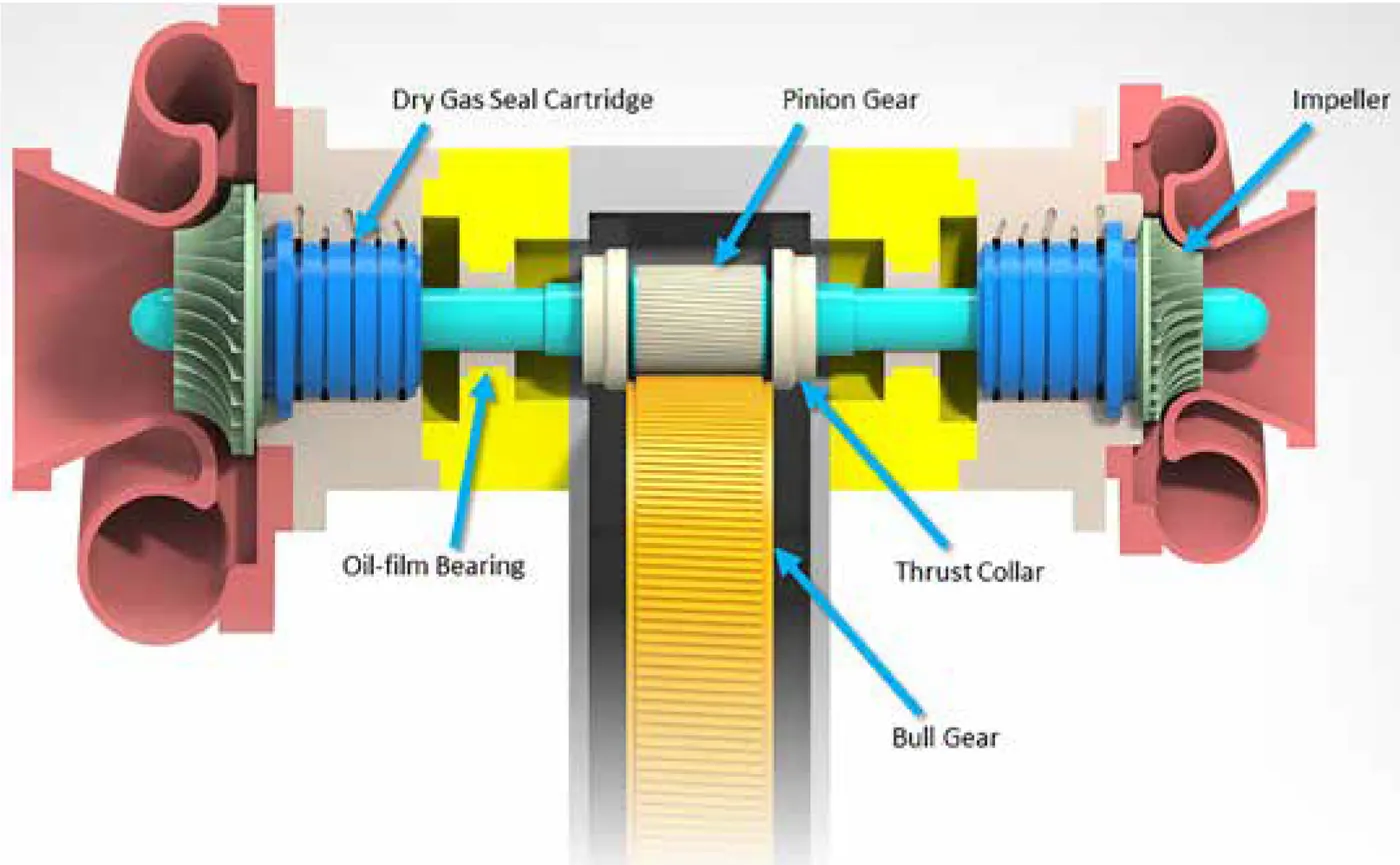
White papersAvoiding compressor dry gas seal contamination Dry gas seals are a crucial part of today’s centrifugal compressors. With dry gas seals, machined-in lift profiles on one side of the seal face direct gas inward toward an extremely flat portion of the face. The gas flowing across the face generates a pressure that maintains a minute gap between the faces, optimizing gas film stiffness and providing the highest possible degree of protection against face contact. The seal’s film stiffness compensates for varying operations by adjusting the gap and pressure to maintain stability. While dry gas seals are an effective, reliable and robust standard sealing solution for centrifugal compressors in all kinds of industry processes, they require a continuous supply of clean gas to ensure the seal faces are lifting off at optimal levels for the best possible gas leakage performance. Both pressurized and unpressurized dry gas seals utilize clean “seal gas” upstream of the dry gas seal to establish a barrier against the potentially contaminated process stream. Pressurized dry gas seals may use a different clean source to energize the seal faces, but a seal gas supply still acts upstream to protect against process contamination.
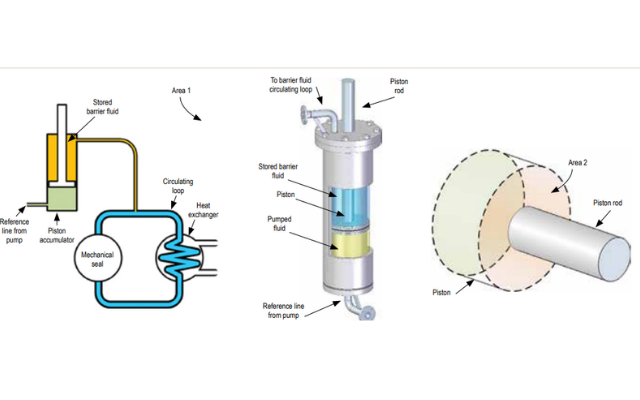
White papersThere are many methods to pressurize the barrier fluid for a dual pressurized mechanical seal. Each method, or piping plan, uses a different mechanism to apply the pressure to the barrier fluid and, as a result, each has its own set of advantages. One of these methods is American Petroleum Institute (API) Plan 53C. Although not as widely installed as a traditional API Plan 53A system, it does differentiate itself from other methods. API Plan 53C has the ability to change the barrier pressure as the pressure inside the pump changes. This pressure tracking ability makes this system ideally suited to highpressure pumps, or for pumps that tend to experience a wide range of operating pressures. Image 1 (left). Simplified Plan 53C schematic. Image 2 (center). Typical piston accumulator. Image 3 (right). Piston face areas (Images courtesy of FSA) A Plan 53C barrier system consists of two main elements: Barrier fluid circulating loop: A pumping device within the mechanical seal circulates barrier fluid to a heat exchanger, where heat absorbed into the barrier fluid is dissipated and then the fluid is returned to the mechanical seal. • Piston accumulator: Stores barrier fluid and amplifies pressure from the pump to pressurize the barrier fluid circulating loop.
White papersIn this technical whitepaper from Fluid Sealing Association Member, Richard Albery, Senior Gas Seal Engineer at John Crane, learn about how to seal high-speed shafts in pumps and compressors.
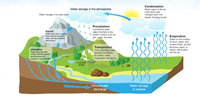
White papersWater moves in a never-ending cycle, powered by nature to renew and replenish the Earth and all it’s inhabitants. Download this infographic, provided by the U.S. Department of Agriculture’s Natural Resources Conservation Service. This infographic explains concepts including: Runoff Infiltration Precipitation Water Storage in the atmosphere and in oceans & other bodies of water Transpiration Condensation Evaporation Groundwater discharge
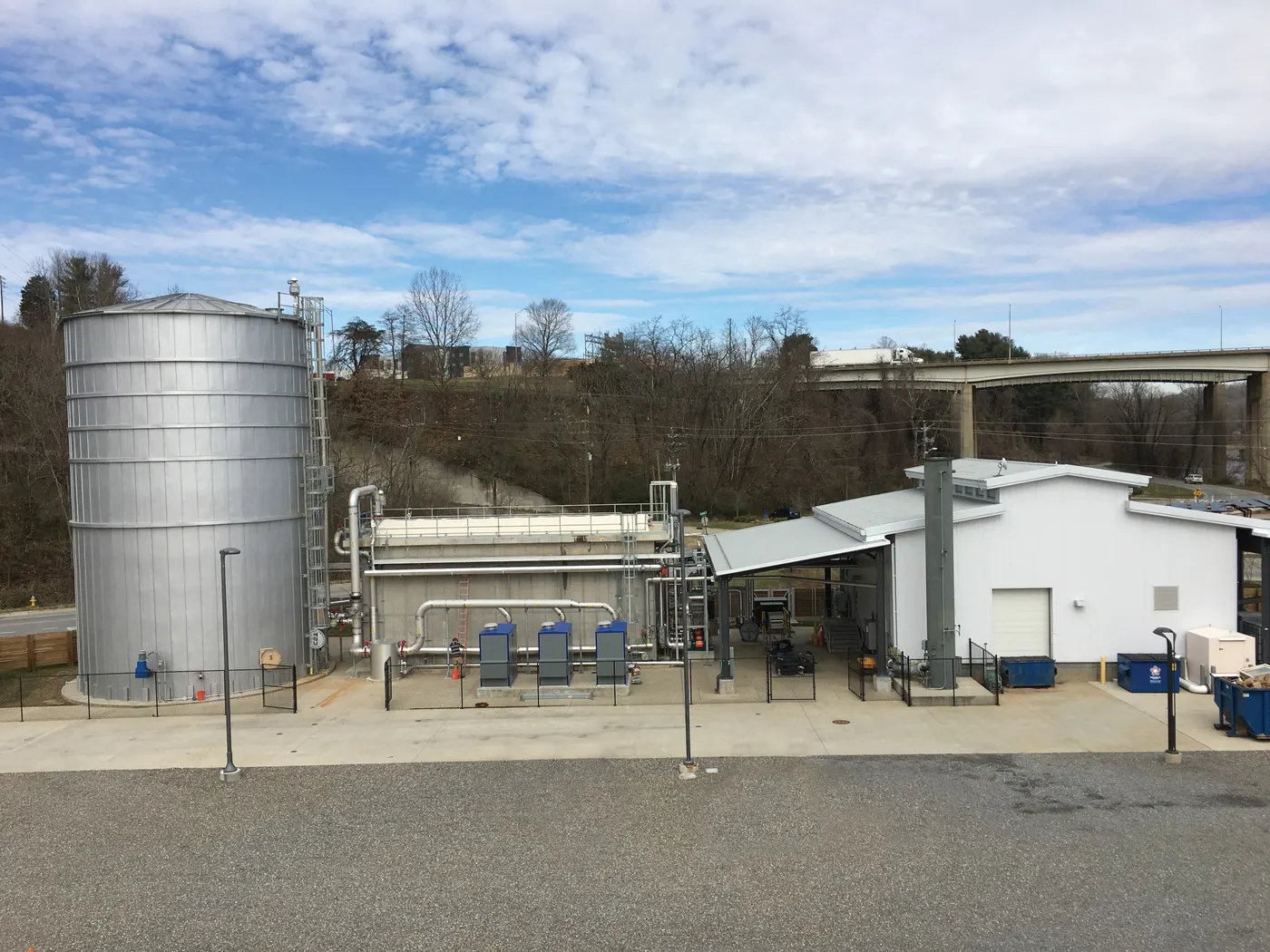
White papersNew Belgium Brewing Company (NBB) has conducted on-site wastewater treatment at their Asheville, NC brewery in phases. As part of Phase 2, NBB elected to go against historical convention and install an anaerobic membrane bioreactor (AnMBR) system to anaerobically pretreat the combination of process wastewater and spent hops and yeast. NBB made this decision, as this choice adhered to their values on environmental stewardship and social responsibility. The design and operation of the AnMBR has met the objective of this phase of the wastewater treatment project. The treatment plant does not impact the aesthetics of the surrounding residential area or the brewery, spent hops and yeast are diverted away from the landfill and digested in the anaerobic pretreatment system, the treatment plant consistently generates final effluent which far exceeds the treatment requirements for discharging to the Buncombe County municipal treatment plant, and significant a significant quantity of biogas is generated, which prepares NBB for the final phase of the project: biogas utilization to recover green energy from the plant’s waste. Complete the form to read the full whitepaper.
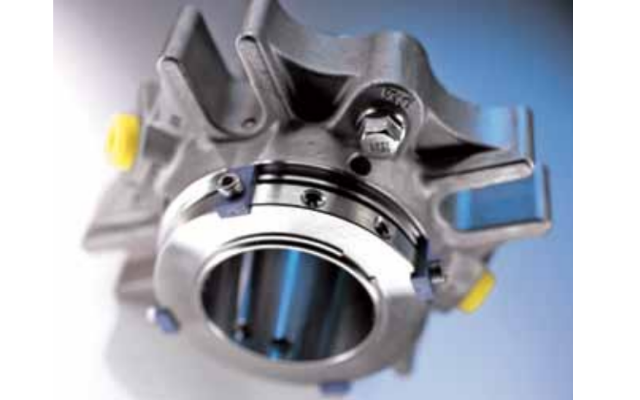
White papersFigure 1. Typical cartridge seal The challenges facing process industries have changed although they continue to pump fluids, some hazardous or toxic. Safety and reliability are still of prime importance. However, operators increase speeds, pressures, flow rates and even the severity of the fluid characteristics (temperature, concentration, viscosity, etc.) while processing many batch operations. For the operators of petroleum refineries, gas processing facilities and petrochemical and chemical plants, safety means controlling and preventing loss of, or exposure to, the pumped fluids. Reliability means pumps that operate efficiently and economically, with less required maintenance. A properly designed mechanical seal assures a pump operator of long-lasting, safe and reliable pump performance with a proven technology. Among multiple pieces of rotating equipment and a myriad of components, mechanical seals are proven to perform dependably under most types of operating conditions.
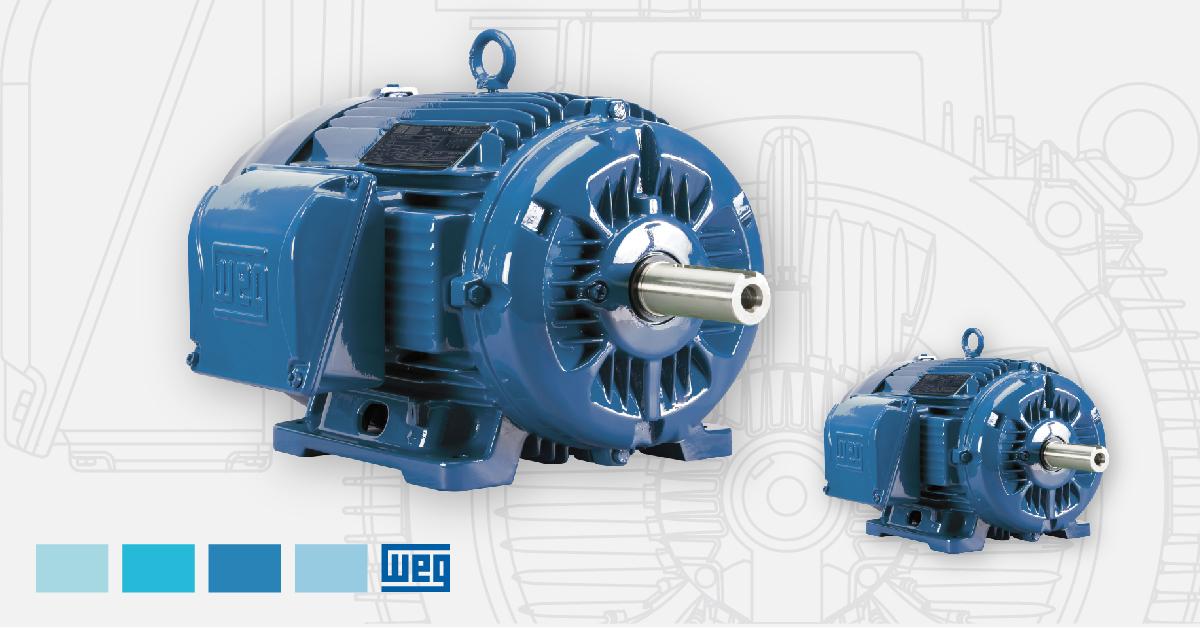
White papersThe intent of this specification is to work in partnership with Electric Motor suppliers to supply quality motors that consistently perform with the highest efficiency, improved life cycle and lowest maintenance cost. The motors shall be built to provide: (1) safe operation; (2) reliability in an application which may be corrosive and wet; (3) minimum maintenance requirements due to the design and quality of materials and workmanship; (4) lowest noise figure.
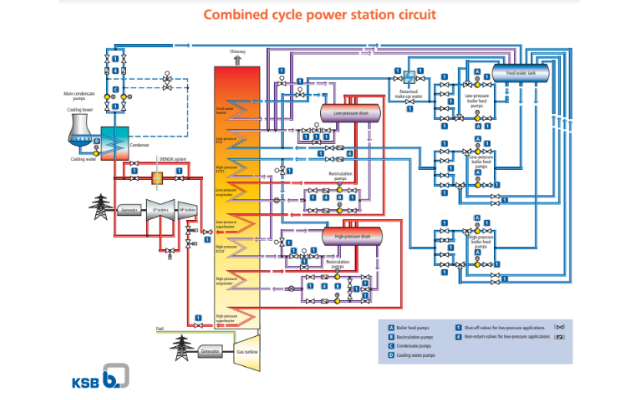
White papersCombined cycle power stations are quick to build, extremely efficient, and release only limited amounts of CO2. Download this chart of a combined cycle power station circuit.
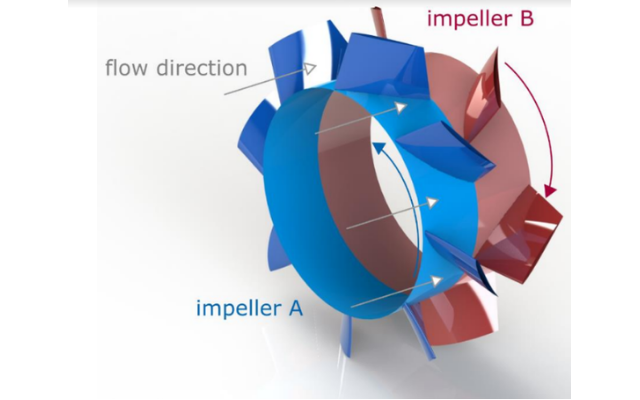
White papersThe development of a multistage axial fan using contra-rotating wheels at each stage is described here. The outer diameter of the fan is 120 mm and the rotational speed for the first and the second impeller are 133.3 s-1 and 83.3 s-1, respectively. The design of the complete fan is based upon the design approach for contra-rotating axial fans of CFturbo [12]. The first impeller was designed for a performance of 2/3 of the overall power. Hence, it was not necessary to fulfill the balancing of momentum although that is an available design option in CFturbo [12] amongst others. The contra-rotating axial fan is examined with different methods. Performance measurements and measurements on the velocity profile with optical methods (PIV) are provided to understand the working principle of every stage. The high efficiency and the axial outlet flow without tangential velocity components (swirl) are demonstrated with these measurements. Figure 4: 3D geometry of the fan
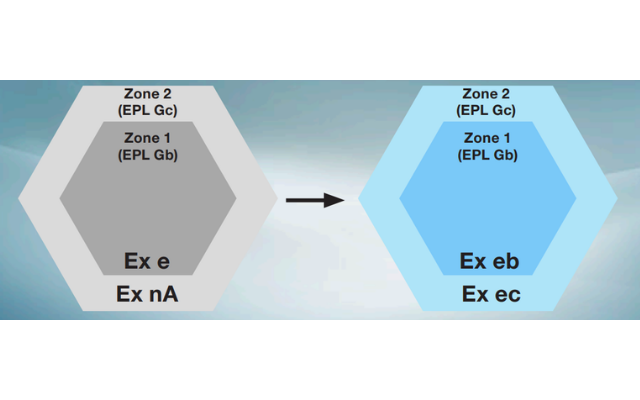
White papersAs a global supplier for the Oil, Gas & Petrochemical industry, WEG is in full compliance with the new increased safety (Ex ec and Ex eb) marking, according to IEC/EN 60079-7:2015, including the product certificates IECEx, ATEX and INMETRO.
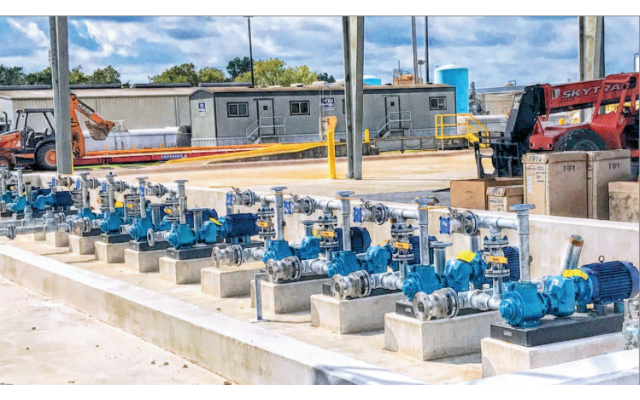
White papersBy Geoff VanLeeuwen, PE Introduction Plant operators expect pumping systems to be reliable, robust and resilient, especially in high-volume, heavy-duty chemical fluid-transfer applications. In reality, however, pumping systems are often delicate ecosystems in which system failures and breakdowns may occur, causing unexpected downtime and increased repair or replacement costs. In today’s chemical and industrial marketplace, centrifugal-style pumps account for as much as 75% of pumps used in critical fluid-transfer applications. However, this white paper will illustrate how recent advancements in the design and operation of another type of pump technology positive displacement sliding vane can be a more efficient, reliable and safer option when transferring critical liquids in both stationary and portable systems. While many chemical fluid-transfer operations may take place in harsh environmental conditions, the pumps and systems used to facilitate product transfer are in actuality delicate ecosystems that must be kept in balance and operate in harmony. Therefore, any upset in the system – including improper shaft alignment – can result in breakdowns that can lead to excessive downtime and high repair or replacement costs.
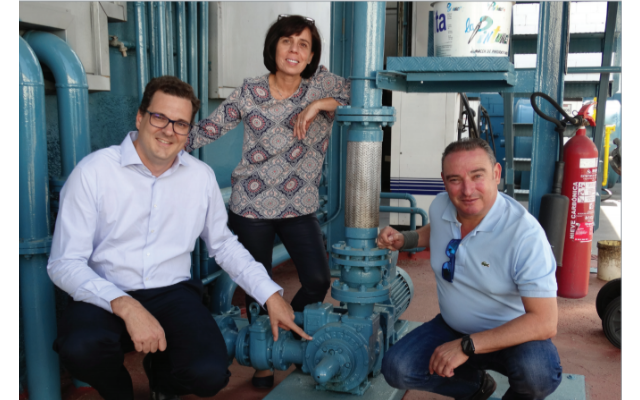
White papersIntroduction Looking back, there were probably safer and less stressful times to launch a fuel-distribution business in Spain than the late 1980s. Spurred in part by the death in 1975 of dictator Francisco Franco, Spain had begun the long, arduous process that was required to gain admission to the European Community (EC). At that time, the EC, which was formerly known as the European Economic Community and which would eventually be absorbed into the European Union in 2009, was one of three international organizations that governed Europe’s coal and steel, atomic energy, and economic/marketing communities. The demise of CAMPSA, Spain’s national oil company, 30 years ago turned the country’s fuel-supply industry on its head. However, it also created opportunities for independent operators. Through the assistance of Marcos Kremers, left, Sales Manager of Cetil Dispensing Technology, S.L., and Iris Willmes, center, Regional Sales Manager, Europe and Scandinavia for PSG® and Blackmer®, Ángel Reques, Jr., right, and his Reques e Hijos, S.L., fuel-distribution business has become the leading supplier of heating oil and diesel fuel in the Madrid market. Also playing a role are Blackmer TX Series Sliding Vane Pumps, which are featured on Reques e Hijos’ entire rolling fleet and at its two fuel depots.