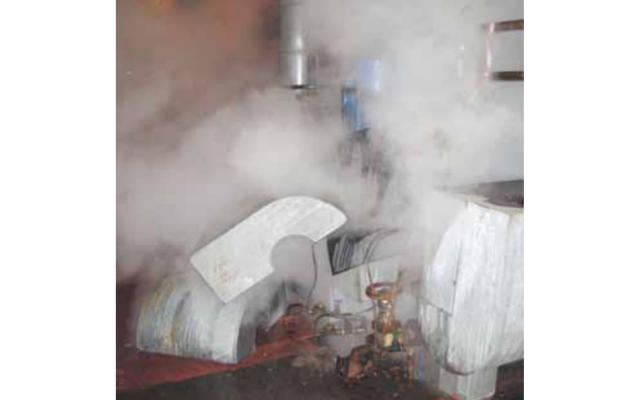
White papersThis is the last of a four-part “Sealing Sense” series that has provided guidance on the best practices to minimize the size of the sealing system energy footprint. The first article discussed the energy losses from the interaction between the faces of a mechanical seal while the second discussed the thermal energy required to maintain the proper temperature of the interfacial lubricating fluid. The third article detailed the thermal energy footprint necessary to remove diluents introduced by auxiliary processes. This final article will address the energy footprint from repairing a pump after a leak in the sealing system required intervention. Time to fix the leak
White papersDurlon® Sealing Solutions provides global leadership in sealing solutions with proven reliability, innovative processes and sustainable integrity in a wide range of demanding applications. This guide includes information on a range of products, including: CNA Sheet Gaskets Flange Isolation & Sealing Kit Flexible Graphite Sheet Gaskets Genuine Viton® High Temperature Gaskets Low Seating Stress Gaskets Metallic Gaskets PTFE Sheet Gaskets Semi-Metallic Gaskets Water/Sanitation NSF/ANSI 61
White papersThe information provided in this document is a general guide for the selection of a suitable gasket material. The substances listed are evaluated for their effect on gasket materials at ambient temperature -40°C (-40°F) to 38°C (100°F) unless stated otherwise. For unusual conditions of fluid concentration, internal pressures or temperature or applications not listed above, consult your local representative. This evaluation is based on laboratory or field tests or experience; however, no guarantee can be given as to the actual performance experienced by the end user. If you have questions regarding a specific application, please contact Durlon® Sealing Solutions.
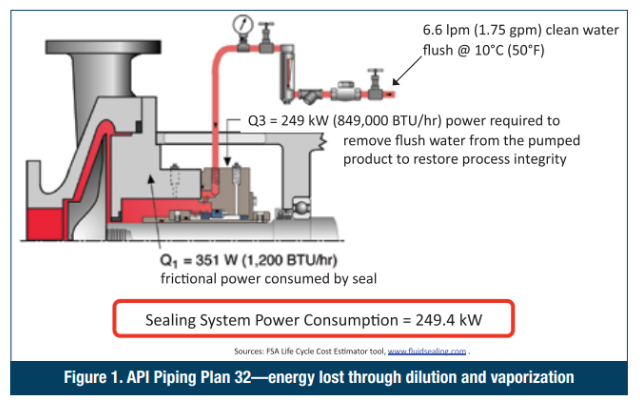
White papersThis whitepaper from the Fluid Sealing Association provides guidance on best practices to minimize the size of the sealing system energy footprint. The first article discussed the energy losses from the interaction between the faces of a mechanical seal. The second discussed the thermal energy required to maintain the proper temperature of the interfacial lubricating fluid. We will now discuss the thermal energy footprint of removing diluents introduced by auxiliary processes. A flush is often added to the stuffing box or mechanical seal chamber. This helps to extend seal life by displacing solids, removing the heat generated by packing or a mechanical seal, and heat soak from the seal chamber. The flush fluid then becomes mixed with the process fluid as a diluent that may need to be removed from the process fluid. Figure 1. API Piping Plan 32—energy lost through dilution and vaporization
White paperThe growing role of electric heat pump technology in reducing emissions, minimizing carbon footprint, and decreasing energy costs in commercial heating applications
White papersMany organizations today are working to identify ways to reduce their dependence on carbon-rich fossil fuels such as coal, natural gas, oil, and propane. Their goal: to dramatically reduce their emissions of the greenhouse gases implicated in climate change, while, hopefully, also decreasing their energy costs and bolstering organizational reputation at the same time. For most organizations, the production of heat is the largest individual application of energy, and space heating for buildings is one of the largest components of that output, accounting for more than $20 billion each year expended by the commercial sector. With most of this heat generated by fossil fuels, building heating applications are therefore also among the largest components of the carbon footprint culpability of nearly any operation. Efforts to reduce the carbon emissions associated with building heating has recently led organizations to consider replacing fossil-fuel fired furnaces and boilers with electric-driven options. For many, this is the next step in the decarbonization of heating, building on the prior step of replacing traditional boilers with the more efficient condensing-type. Now, with the growing use of renewables on the supply-side, there is additional opportunity for decarbonization on the demand-side by replacing the boilers and furnaces altogether with heat pumps for an even larger improvement in operating cost, emissions, and decarbonization performance. This electrification of building heating can provide significant benefits at the location, allowing operators to not only reduce carbon emissions, but also remove onsite fossil fuel flue-based NOx (nitrogen dioxide) and SOx (sulfur dioxide) emissions, improve energy efficiency, and reduce operating costs. This evolution also provides a building’s power providers with the opportunity and flexibility to meet increasing demand with carbon-free renewable sources rather than fossil fuels, thereby further developing the potential to exponentially improve their carbon footprint. This possibility, of course, is not available to utilities providing fossil fuels only.
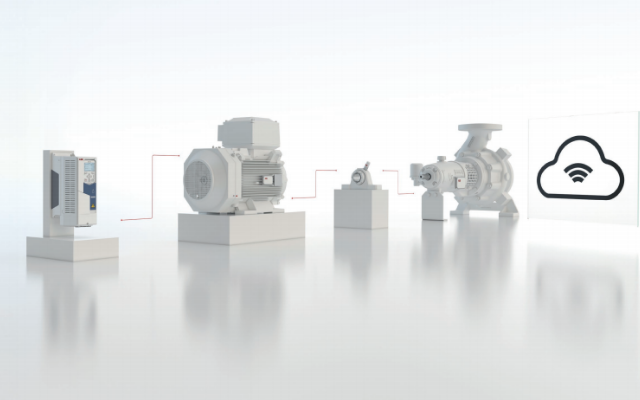
White papersABB Ability Condition Monitoring service for powertrains optimizes the performance and efficiency of rotating equipment. It enables full transparency on key parameters for drives, motors, mounted bearings and pumps, and can also be used in applications such as compressors, conveyors, mixers and extruder main shafts.
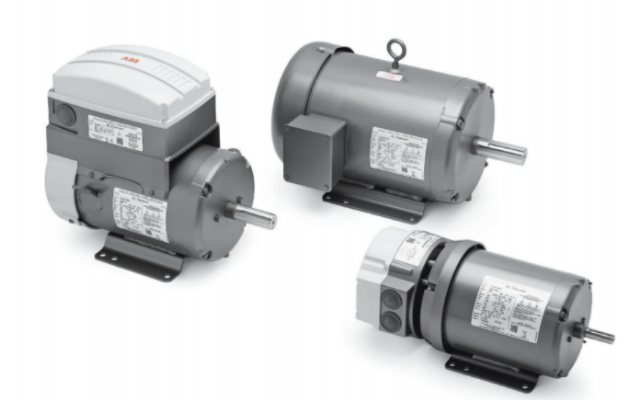
White papersThe new Baldor-Reliance® EC Titanium motors from ABB are a highly efficient integrated motor drive that combines synchronous reluctance and permanent magnet technologies for a sustainable, wirelessly connected solution that improves your bottom line.
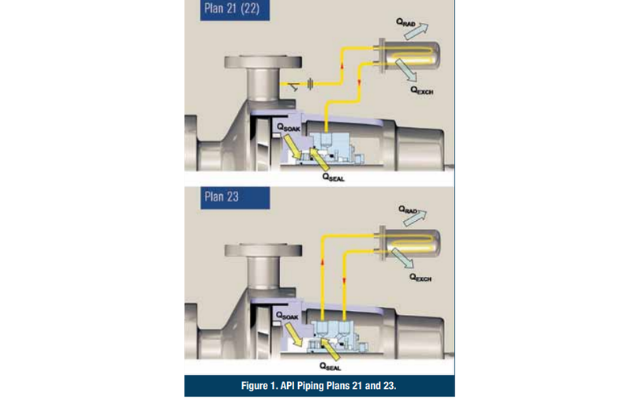
White papersIn this whitepaper from the Fluid Sealing Association, this piece provides guidance on best practices to minimize the size of the sealing system energy footprint. Authored by Eric Vanhie, EagleBurgmann, Member of the FSA, this article discusses the thermal energy needed to maintain a suitable temperature for the interfacial lubricating fluid in high-temperature processes.
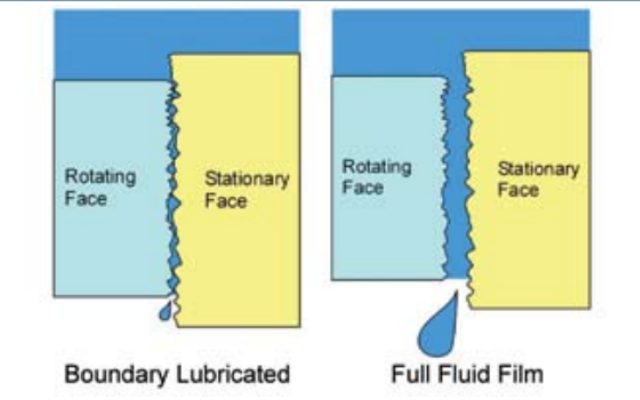
White papersThe term carbon footprint has become synonymous with greenhouse gas (GHG) emissions and climate change. Carbon footprint commonly refers to the volume of greenhouse gases, the most prominent of which is carbon dioxide, which are emitted by an organization, event, process or product. Because of climate change concerns, coupled with rising energy costs and dependency on non-renewable and foreign sources of energy, the related term energy footprint is entering the vernacular of industry and regulatory organizations. The U.S. Department of Energy (DOE) developed energy footprints to help target energy saving opportunities in the manufacturing industry. They map the flow of energy supply and demand in facilities and show where and how the energy was used and lost from inefficiencies. The DOE uses energy footprint maps such as the one in Figure 1 to track the flow of energy supply, demand and losses. Figure 2. Seal face lubrication regimes
White papersWhenever there is a decision to be made regarding an investment in equipment or systems to make operating cost improvements, companies typically want to know if the up-front investment to achieve the improvements is worth the cost and risk of making the investment. Three common methods to evaluate the financial implications of the various improvement options are: Simple payback Discounted payback Internal rate of return (IRR) analysis In this 3-page whitepaper from Thomas E. Haan, Principal, Global Equity Consulting, LLC, he educates us about these methods of evaluation of the benefits of making investments to improve MTBR and enhance the energy efficiency of equipment and systems.
White paperHow to Tell if Your Pump is Not Running Efficiently
White papersIs your pump delivering the flow and pressure that the performance curve says it should? If not, then the next question you are likely asking is: why not? A pump could be operating per the performance curve, but fluid may not be getting where it needs to go because of system issues, which can include a closed suction or discharge valve, clogged piping, clogged strainer, entrained vapor in the fluid, or other system issues may be at play. This 3-page whitepaper gives you 5 specific areas to investigate if your pump is not working as it should. Complete the form below to download the document.
White paperBest Practices to Seal Rotating Shafts for Low Temperature to Cryogenic Fluids [Fluid Sealing Association Whitepaper]
White papersPumping fluids at extreme temperatures presents many challenges to the shaft sealing system. It must ensure the pumped fluid is safely contained while providing long-term reliability. Many pump operators are familiar with hot pumping services, but cold services offer some unique challenges to achieving reliable shaft sealing solutions. In this 5-page technical whitepaper from Fluid Sealing Association, you will learn about: Pumping Equipment for Low Temperature Hydrocarbons Seal Selection for Low Temperature Hydrocarbons Material Considerations for Low Temperature Hydrocarbons Pumping Equipment for Liquefied Atmospheric Gases Seal Selection for Liquefied Atmospheric Gases Material Considerations for Liquefied Atmospheric Gases