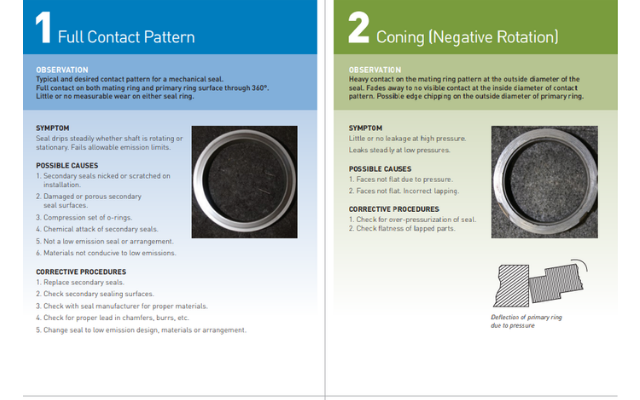
White papersA seal can be exposed to a wide variety of operating conditions—sometimes very different from conditions the seal was intended for—which can cause issues down the line. However, even if your seal is the right one for the job, there can be times when it fails faster than anticipated. When this happens, it’s imperative that you act quickly to identify the cause of leakage. Every minute of downtime results in lost production and maintenance fees. Download a comprehensive poster that showcases the 13 most common types of seal failure, including diagnostic symptoms, causes and corrective procedures.
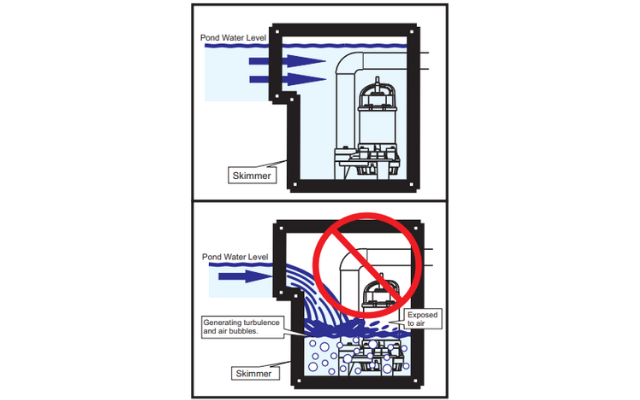
White papersHere are some quick guidelines to maintain your pump properly, ensuring you get maximum pump life possible. It is important to ensure the pump stays FULLY submerged at all times. Running a submersible pump in air for extended periods may result in motor damage. This can be accomplished by following Tsurumi’s guidelines.
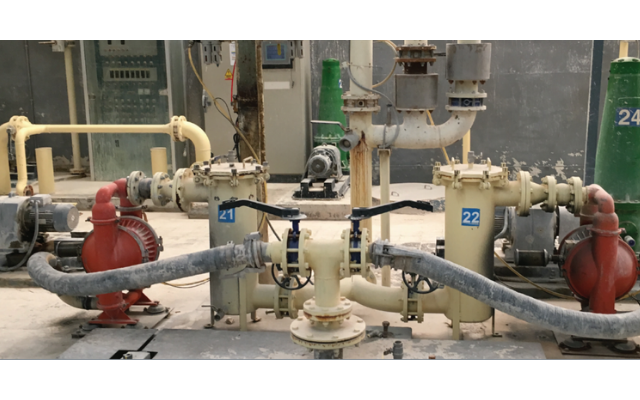
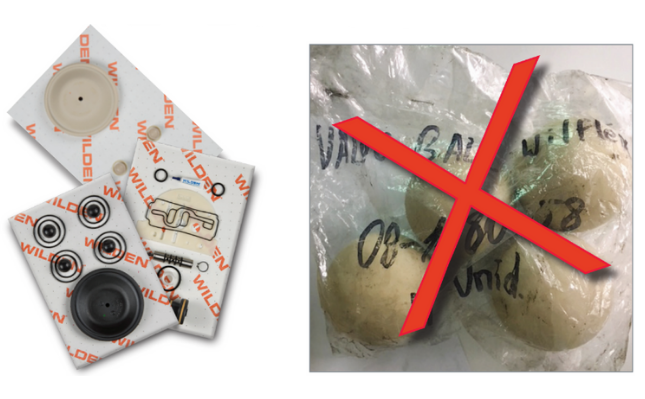
White papersIntroduction When determining the level of performance of air-operated double-diaphragm (AODD) pumps, choosing the correct air motor is generally the most important choice the user will have to make. Also significant, however, is selecting the right type of diaphragm, the operation and reliability of which will directly impact the pump’s mean time between failure (MTBF), application safety, and operational efficiency and consistency. As the parts that are constantly in motion during an AODD pump’s operation – with any breakdowns or failures resulting in undeniably costly and oftentimes hazardous product leaks – careful consideration must be taken in regard to diaphragm selection. The constant motion that the diaphragms in an air-operated double-diaphragm (AODD) pump are in during a fluid-transfer operation operation puts them at risk of degradation and breakdown. However, a new integral piston diaphragm (IPD) design protects the diaphragm from failure while still delivering expected flow rates, efficiency, consistency, abrasion resistance and operational safety.
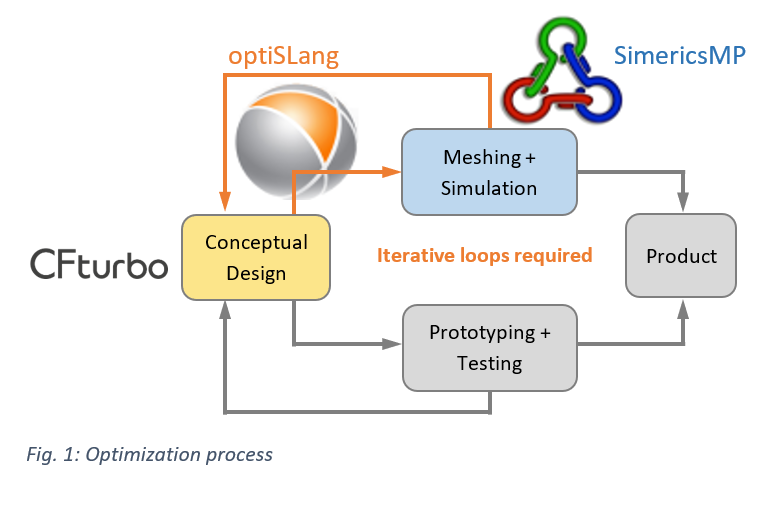
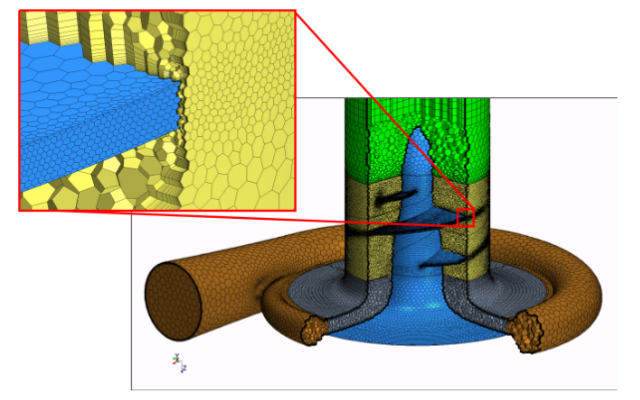
White papersThe workflow presented here describes the fast and cost-effective optimization of an axial pump with modern software tools. Motivation Turbomachinery design is still very complex and time-consuming if it is executed manually. In order to save time and thus reduce costs, automatic optimization is a suitable approach. The following describes a robust and easy to use optimization workflow using 3 state-of-the-art software tools: CFturbo, SimericsMP and optiSLang.
White papersBy John Wallace, Sales Director US & Canada, Diaphragm Group | PSG® Introduction When Jim Wilden invented, in 1955, the air-operated double-diaphragm (AODD) pumping principle, it’s no exaggeration to say that he also created the diaphragm- pump industry. As the creator of AODD-pump technology, Wilden and his eponymous brand established a standard for highly engineered machines that still exists nearly 65 years later. This is a standard that competitors – whether legitimate or not – have attempted to emulate with varying degrees of success.
White paperAdvantages Of Pressure Sewer Systems
White papersGravity Sewer Systems Conventional gravity sewer systems collect wastewater from homes and transport it to a collection line by allowing gravity to force the flow of liquid and solids. There are no pumps or pressurized components in tradition gravity sewer systems but this method requires the digging of wide, downward-sloping trenches to serve as an underground path for sewage to travel to its final collection destination. Traditional gravity sewer method is adequate for downhill grades but can be ineffective when there is an uphill slope or ground conditions differ. In addition, gravity sewer systems are not an effective method for wastewater transport in areas with rocky terrain and sandy soil or for application with close proximity to water or with long piping runs.
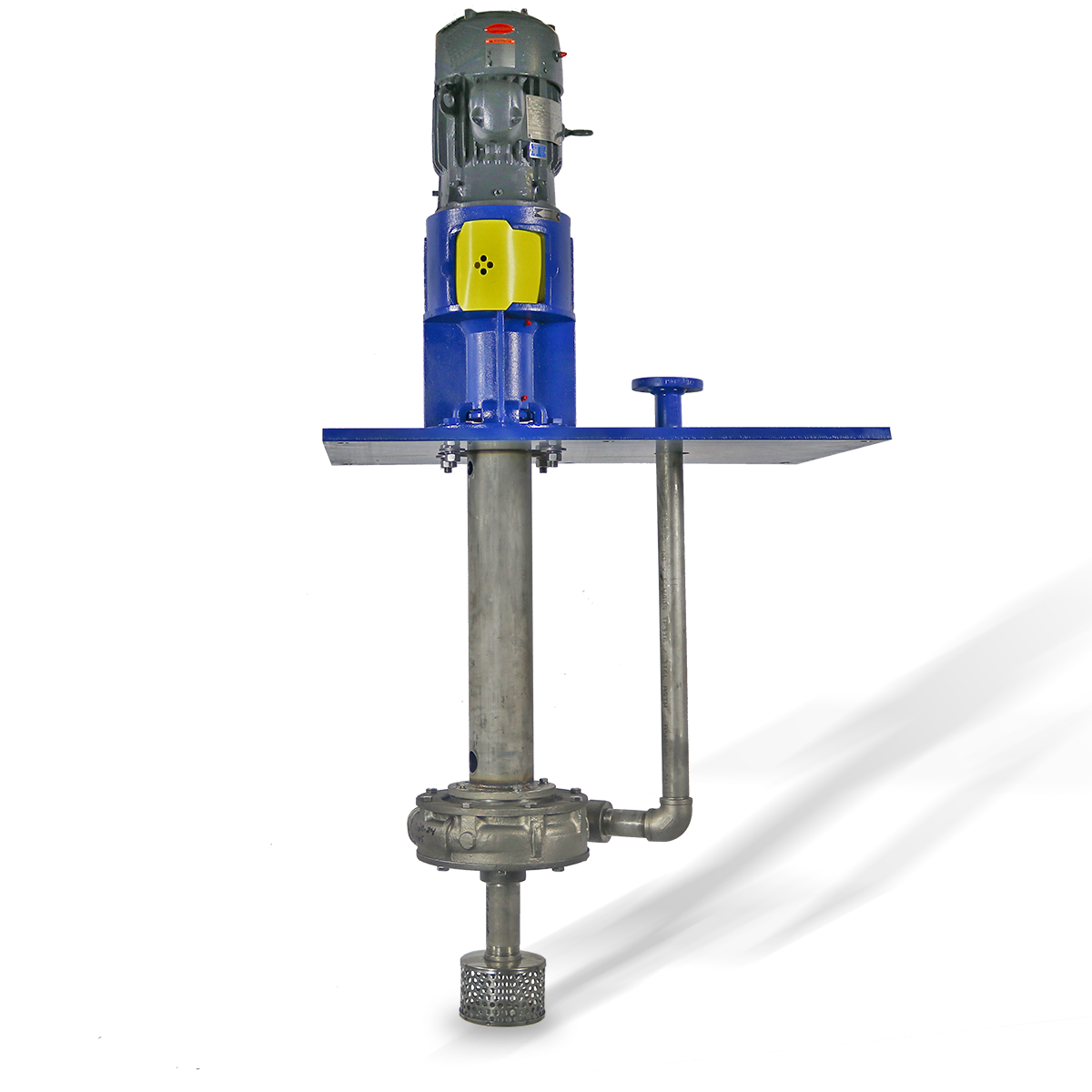
White papersContributor: Carver Pump Vertical cantilever pumps are centrifugal pumps designed in a way where the impeller is “cantilevered” from the motor and baseplate (a cantilevered structure is one that is anchored at only one end – think of a diving board at the edge of a swimming pool). In a cantilevered pump, only the impellers, bushings, and casing are submerged in the sump liquid; they have no submerged seals, bearings, or suction check valves. The overhung shaft is supported by heavy-duty bearings (located above the pumped liquid). In this document, we will share information about 11 applications where vertical cantilever pumps may be used.
White paperSelecting Centrifugal Pumps
White papersTypical selection criteria for centrifugal pumps are their design data (flow rate or capacity Q, discharge head H, speed of rotation n and NPSH), the properties of the fluid pumped, the application, the place of installation and the applicable regulations, specifications, laws and codes. KSB offers a broad range of pump types to meet the most varied requirements. Main design features for classification are: the number of stages (singlestage / multistage), 2 the position of the shaft (horizontal / vertical), the pump casing (radial, e. g. volute casing / axial, e. g. tubular casing), the number of impeller entries (single entry / double entry), the type of motor (dry motor / dry rotor motor, e. g. submerged motor / wet rotor motor, e. g. canned motor, submersible motor).
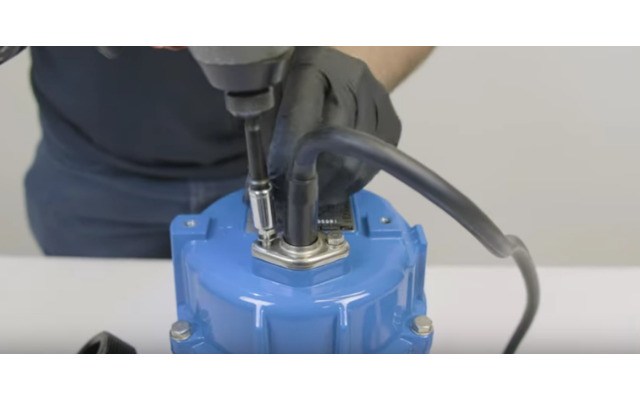
White papersCheck out this Tsurumi Pump step-by-step guide on how to change a cable on a Tsurumi HS series pump. A step-by-step video explanation on how to replace a damaged power cable.
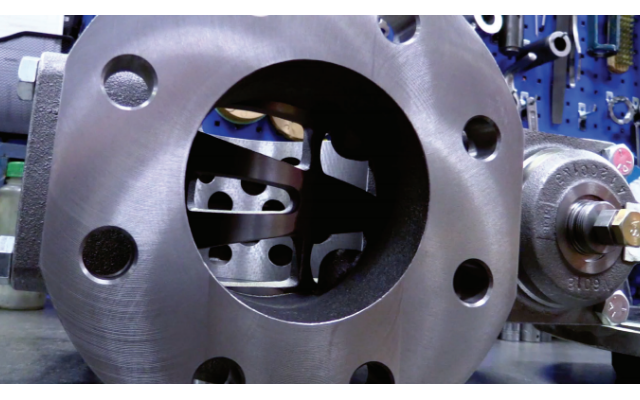
White papersIntroduction Cavitation and net positive suction head (NPSH) issues are common detriments to effective pump operation that are often misunderstood. Entire plant systems can fail unexpectedly as a result of a mechanical-seal or pump component failure. Plant operators may observe: “it sounds like gravel is being pumped through our pipe” or “the pipe is shaking” or even “the pump components have dissolved into nothing.” When such failures are assessed further, operators often conclude that cavitation and NPSH are ultimately to blame for the seal and pump failure. As a result, all process engineers know that pump- suction design is most critical to ensuring reliable operation of any piping system. Cavitation is caused when a pumping system’s net positive suction head available (NPSHa) is not in balance with the net positive suction head required (NPSHr) can be devastating for pump components and can even lead to system failure. Blackmer® has found a solution to the challenges of excessive cavitation with the development of the patented Cavitation Suppression Liner, which is available for use on most models of its Sliding Vane Pumps.
White papersINTRODUCTION Cavitation is a thermodynamically non-reversible process defined as the formation and subsequent collapse of vapor bubbles caused by the drop in pressure in the fluid domain, as illustrated in Figure 1. The collapse of these bubbles can produce a shock wave strong enough to damage machine parts, and as such, cavitation is usually an undesirable phenomenon. It can also generate significant vibration and noise, cause rotordynamic instabilities and blade erosion, and negatively affect general machinery performance.
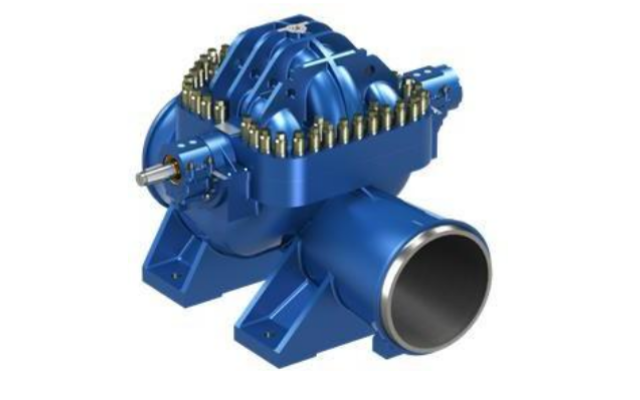
White papersThis work presents the results of complex research of changes in the hydraulic, stress-strain state and dynamic characteristics of the double-entry single stage pump (specific speed nq=55) in the case of introduction of splitter blades in the basic design are presented in this paper. Since the splitter blades modify flow within the blade-to-blade channel, the energy loss will depend on their shape. Determination of the maximum possible increasing of impeller head while maintaining or increasing the efficiency is connected with multiparametric optimization of the splitter blades geometry. Geometrical dimensions determining the shape and position of the splitter blades were used as variable parameters. Head and efficiency are the objective functions. Determination of hydrodynamic flow parameters was carried out by using the CFD meth- ods. In this paper some thoughts regarding the influence of the shape and location of the splitter blade on the distribution of flow parameters are discussed. Comparative analysis of strength and vibration characteristics of the pump with the original impeller and splitter blade impellers carried out on the basis of FEM-analysis. The results of the this study highlighted aspects allow us to conclude that to ensure reliable operation of the pump approach to splitter blade impeller design should be more consistent and comprehensive.