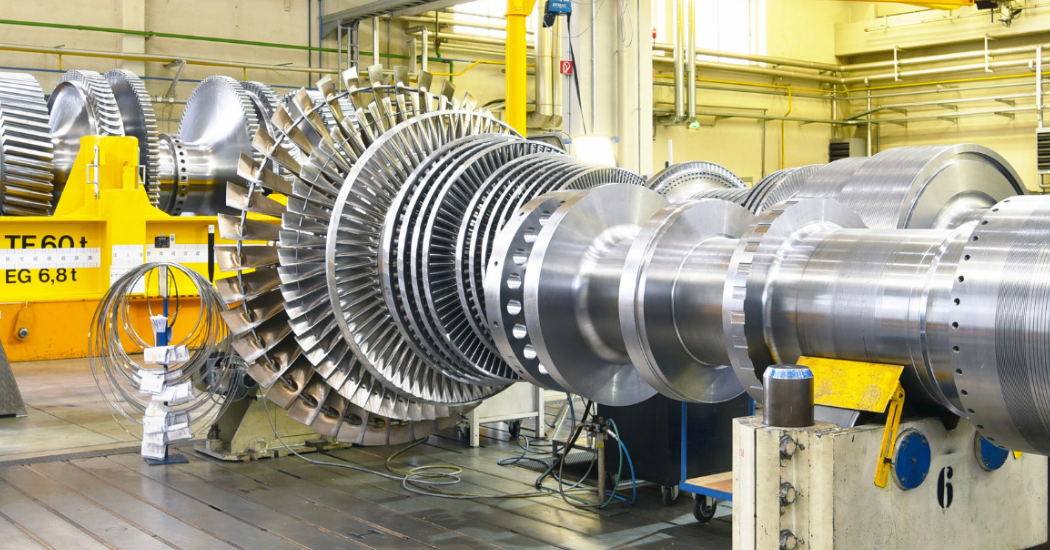
White papersFern Engineering, Inc. was contracted by a major refinery to reduce the exhaust gas temperature variations of their gas turbine fleet. According to Hector Bourgeois, Fern Engineering President, the exhaust temperature variations, better known as exhaust gas temperature spread or EGT spread, drastically influence the life of turbine components and operational hardships. Gas turbine manufacturers usually establish a high limit for this spread that, if exceeded, sounds an alarm or can shut the gas turbine down. Ideally, the EGT spread would be low for optimal life and reduced downtime.
White papersThe 2027 DOE motor efficiency requirements are bringing important changes to industrial motor applications. In this presentation, ABB’s Courtney Pickett and Stefanie Casimir break down the new efficiency requirements, including changes affecting 100–250 HP and air-over motors, while exploring NEMA Premium 4 technology, VFDs, energy and lifecycle cost savings, and practical steps engineers can take now to prepare their motor systems for June 2027.
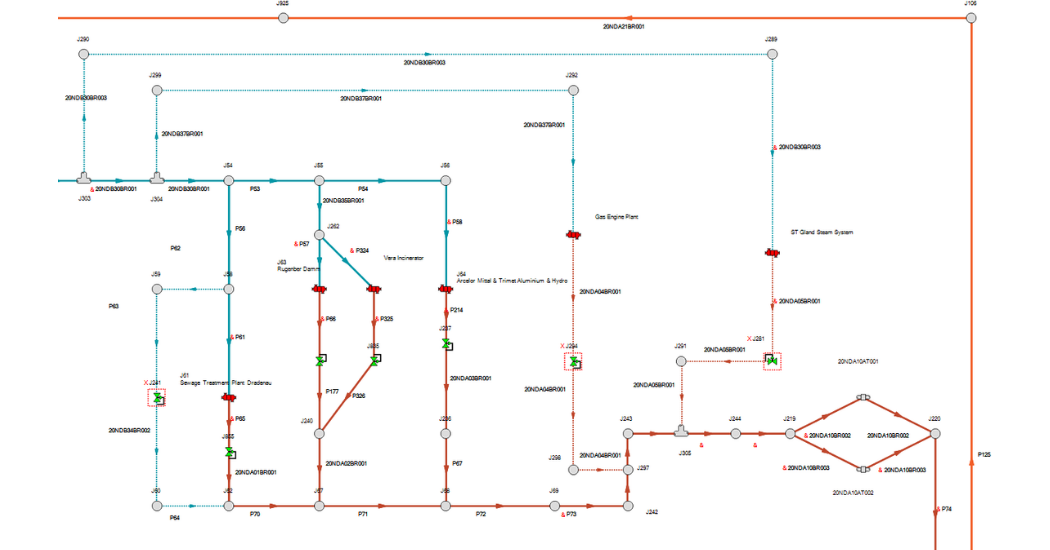
White papersDatacor Fathom provided the best solutions in terms of both heat transfer and pressure loss calculations.” – Kerem Algüzey, ENKA Industry: Power Generation Region: Hamburg, Germany Focus: District heating system optimization + validated thermal and hydraulic design Kerem Algüzey, design engineer at ENKA Insaat ve Sanayi A.S., used Datacor Fathom to simulate the central heating cycle to inform the design of the hydraulic thermal system for the Dradenau Combined Heat and Power Plant under construction in Hamburg, Germany. PROBLEM This state-of-the-art facility will produce 180 MW of electrical capacity and an additional 260 MW of district heating utilizing multiple heat sources including waste heat from industrial processes and a natural gas power plant. Datacor Fathom was used to size pumps, heat exchangers, and control valves, and to validate line sizing to ensure that piping was within design requirements for the system.
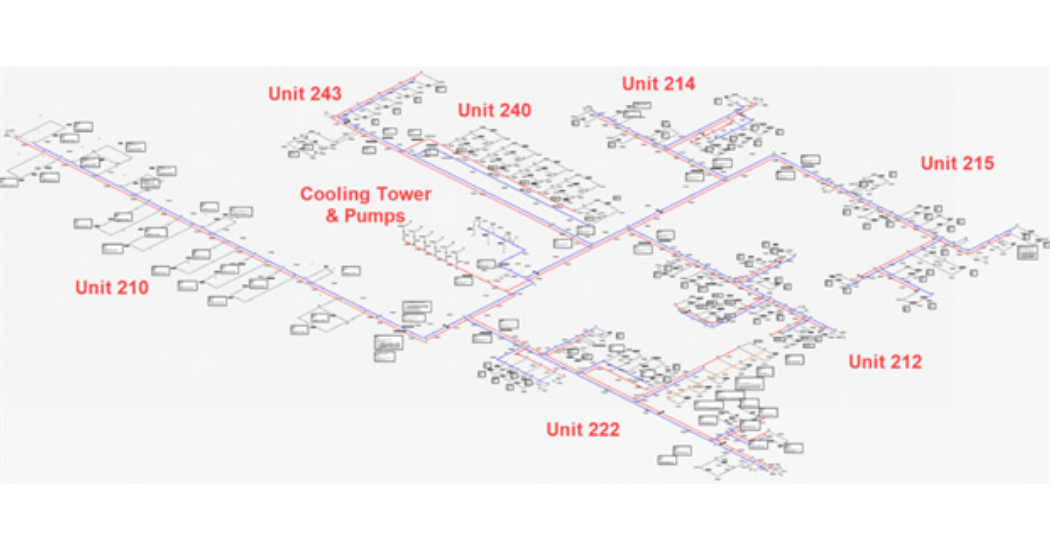
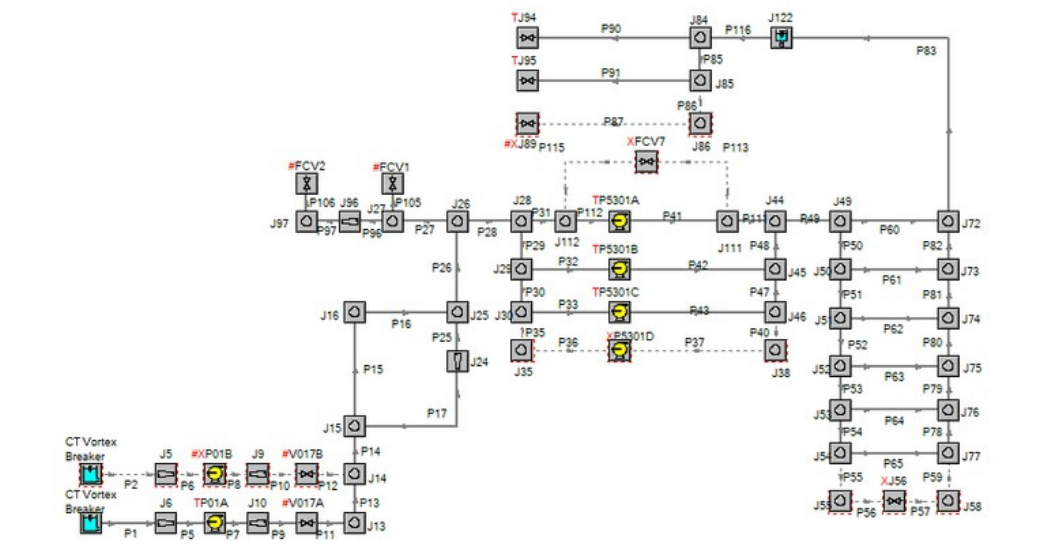
White papersHydrus Works, LLC needed to recalibrate a large refinery cooling water system containing nearly 600 pipes, 492 junctions, and 127 heat exchangers. Over 700 pressure, flow, and temperature measurements were taken, and the goal was to align the model with current system behavior for operational reliability.

White papersArtificial intelligence is increasingly becoming a foundational capability in agricultural equipment. The technology enables farmers to remain resilient, productive, and competitive, especially as operational challenges continue to intensify. Rather than another “nice-to-have” tool, AI in agriculture is purpose-built, task-focused, and embedded directly into machines that operate in highly variable, real-world environments. Across modern farming operations, producers face growing pressure from weather variability, labor shortages, rising input costs, and increasingly narrow operating windows. AI-enabled equipment helps farmers manage this complexity by supporting timely, consistent, data-informed decisions during critical moments in the field. By integrating advanced data processing, machine vision, and automation directly into equipment, AI allows farmers to leverage the benefits of sophisticated technology without needing to become experts in data science or software. Ultimately, as global competition increases and expectations around productivity, cost, sustainability, and traceability continue to rise, AI-enabled ag equipment plays a critical role in helping producers do more with fewer resources in an affordable, sustainable, and reliable manner. This paper explores how when AI is deployed responsibly and supported by appropriate frameworks, it strengthens farm level resiliency, supports a competitive agricultural sector, and contributes to a stable and secure food system for the future.
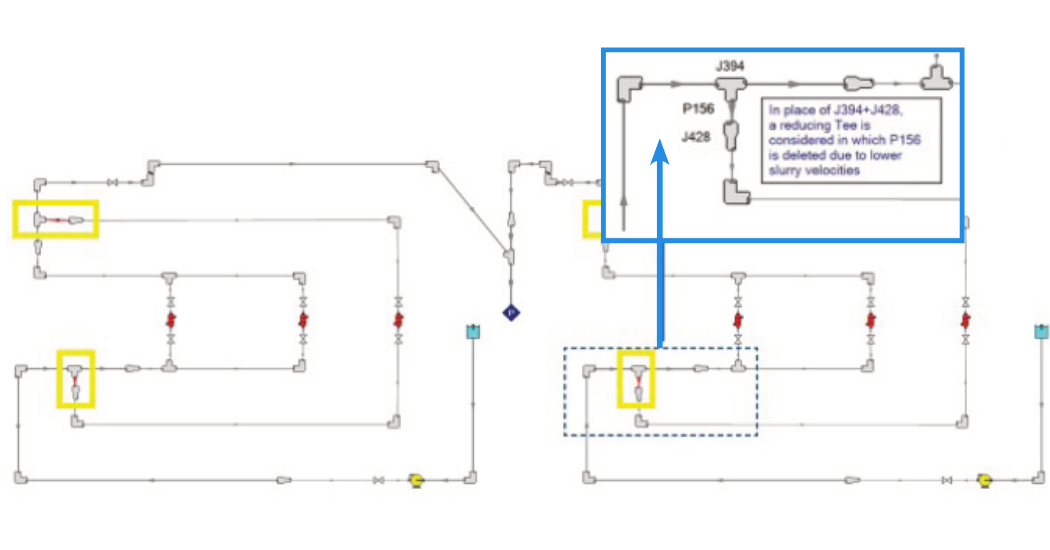
White papers“The original design relied on simplifying assumptions in another hydraulic modeling tool, the limitations of which were proven after an analysis with AFT Fathom’s SSL module.” – Rajitha Papagari, LyondellBasell Problem LyondellBasell engineer, Rajitha Papagari, performed a reliability study on a polymer slurry cooling system used to maintain a stable temperature in a reactor, critical to maintaining product quality.
White papers“[Datacor Impulse] proved to be both easy to model and easily understandable as it relates to what was actually taking place during valve and pump transients.” Chicago Bridge & Iron’s (CB&I) Process Engineering Division was tasked with developing the design for a gasification system serving an LNG off-loading terminal. An innovative and energy efficient approach was taken utilizing waste heat from a nearby power plant. A key criterion in the design was to insure the new, interconnecting system did not compromise the mechanical integrity or operation of the plant cooling system.
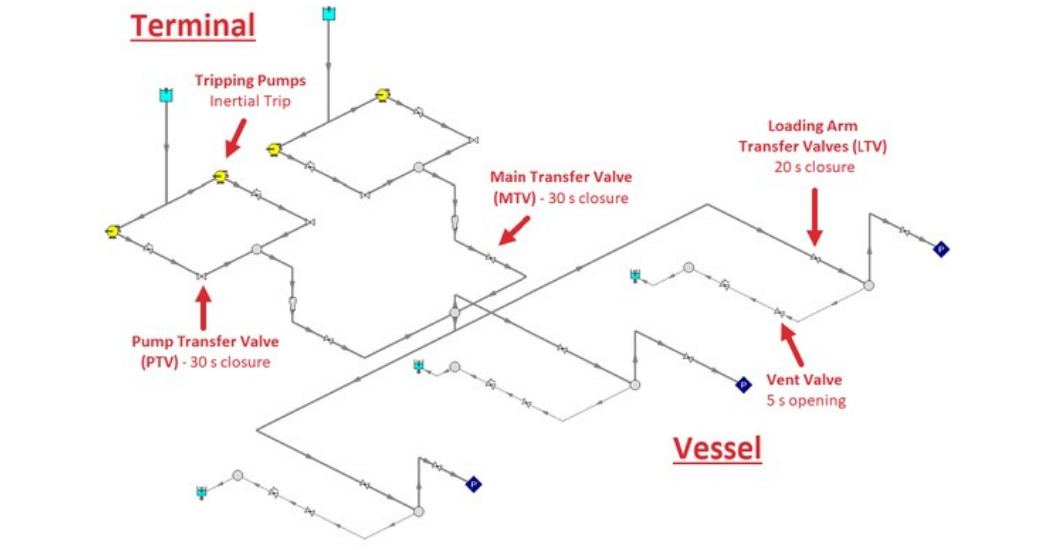
White papersWith growing climate concerns, the world looks to natural gas to as a clean way to meet energy demands. Liquefied natural gas (LNG) is liquefied by cooling the gas to -160°C or below (<-256°F), loaded into special tankers for transport, then turned back into gas at its next terminal. The LNG loading process occurs through loading arms, constructed of expensive low-temperature alloys for cryogenic operation and designed to consider the moving vessel the arm is attached to. An LNG terminal might have two to five loading arms for different purposes. In an emergency shutdown, flow through these arms must be suddenly halted by closing a sequence of valves, opening vent valves, and tripping transfer pumps.
White papersAs the chemical industry enters 2026, growth expectations remain modest. After a year marked by tariffs, geopolitical instability, and weakened consumer confidence, many of the same pressures continue to shape market conditions. Forecasts suggest global chemical market growth of approximately 2% in 202 —roughly in line with 2025. In this environment, chemical manufacturers are closely monitoring shifting customer priorities, regulatory developments, and broader economic signals. Leaders are focused on navigating uncertainty while maintaining financial discipline, preserving cash, and selectively delaying major capital investments until markets stabilize.
White papersLearn how Himmelstein torque sensors help protect critical machinery by providing real-time performance monitoring, early detection of machine degradation, high-frequency noise filtering, automatic shutdown during unsafe conditions, and accurate peak and average torque measurements. This infographic highlights the key benefits of torque sensing for improving equipment reliability, safety, and operational efficiency.
White papersPower generation is experiencing one of its fastest growth periods in decades. Rising electricity demand is putting unprecedented pressure on existing generation, transmission, and distribution infrastructure, testing system resilience and reliability. The rapid expansion of data centers and AI applications, accelerating industrial electrification to support decarbonization goals, and increased residential and commercial consumption are collectively driving a historic surge in power demand. By 2035, the power generation and demand landscape will look materially different. Deloitte projects that the US electricity demand will be 26% higher than today. Data centers alone are expected to consume up to 176 GW by 2035—nearly five times current levels. While smaller in absolute scale, industrial electrification is also expected to add approximately 25 GW of incremental demand.
White papersPresented by Ralph Peter Mueller at ASME 2026, this presentation highlights the latest advancements in hydraulic pump design, including Parametric design software, automated high-fidelity 3D flow simulation, user-friendly design exploration, surrogate/meta models, and innovative approaches to developing new conceptual hydraulic pump designs.