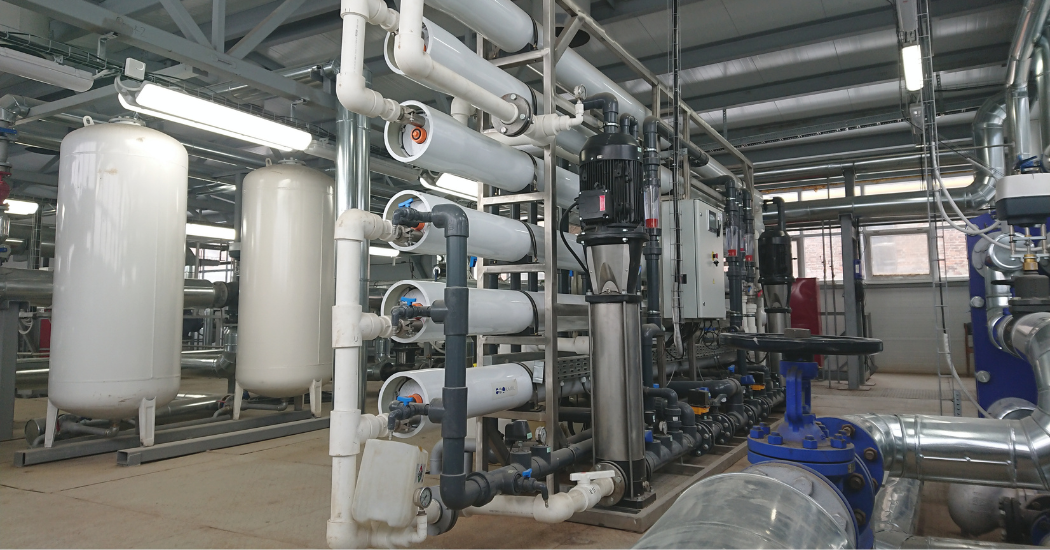
A failed treatment system can stall every task that depends on it. Boiler startup waits on treated water, plant commissioning waits on boilers and milestone dates begin to slip.
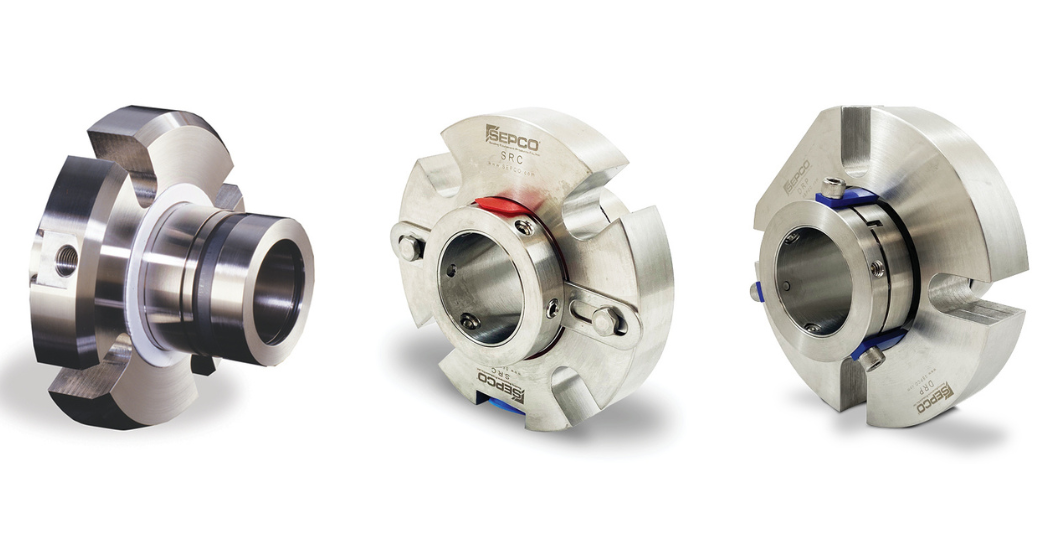
The short answer Mechanical seal chamber pressure is determined by pump design and operating conditions, including impeller design, wear ring and back vane clearances, throat bushing configuration, and the flush…
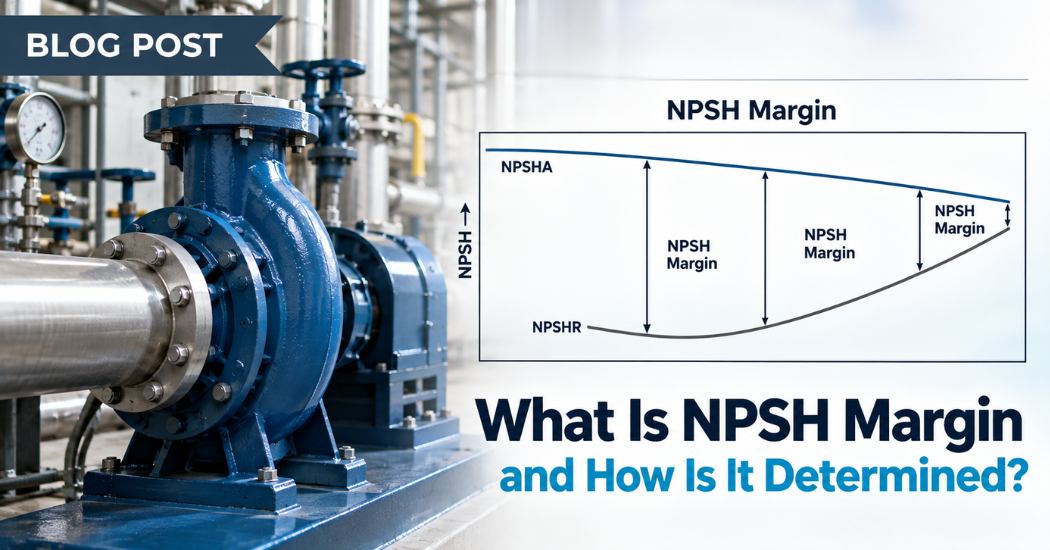
ANSI/HI 9.6.1 provides industry-standard NPSH margin guidelines to help prevent pump cavitation and improve pump reliability. In the world of pumping systems, reliability is everything.
Why Does Fault Detection Speed Matter in Industrial Equipment Protection? In high-speed industrial environments, the difference between a minor hiccup and a catastrophic equipment failure is measured in milliseconds.
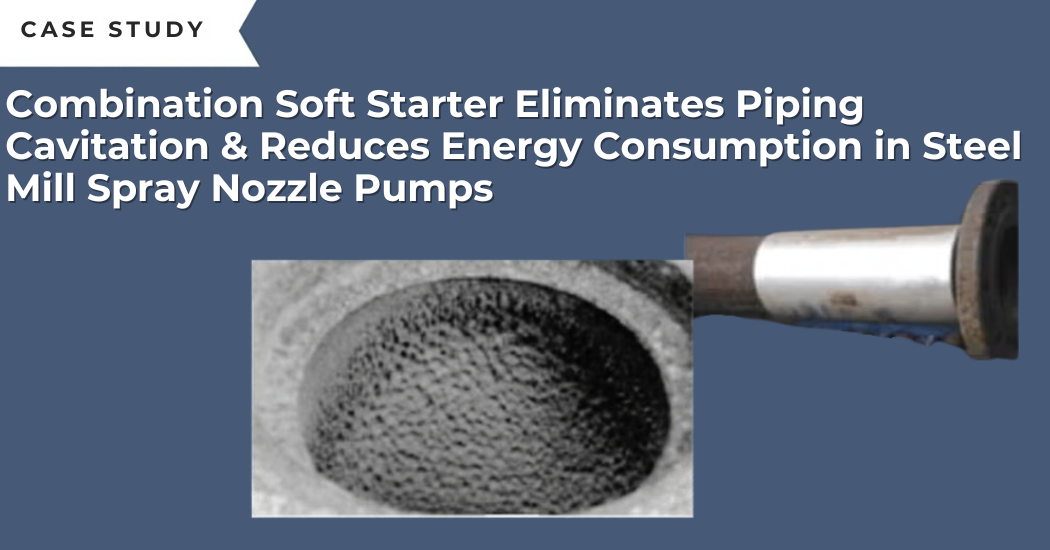
A steel mill uses a 150 kW (200 hp) rotodynamic pump to supply pressure to a hood spray nozzle that operates only 40% of the time, creating opportunities to reduce…
Large data centers are dense, power-hungry environments where GPU-laden racks can draw 50 kW or more per cabinet, resulting in heat loads that conventional air cooling simply cannot manage.
The pump industry is facing a widening workforce and competency challenge. Operational pressures are rising as pump systems consume significant energy, maintenance costs increase, and optimization opportunities go unrealized.
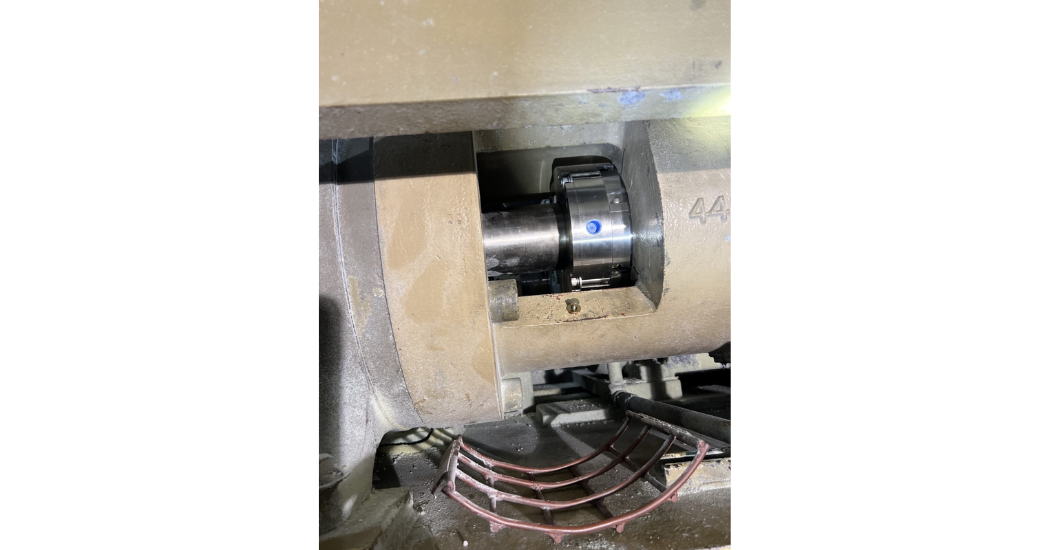
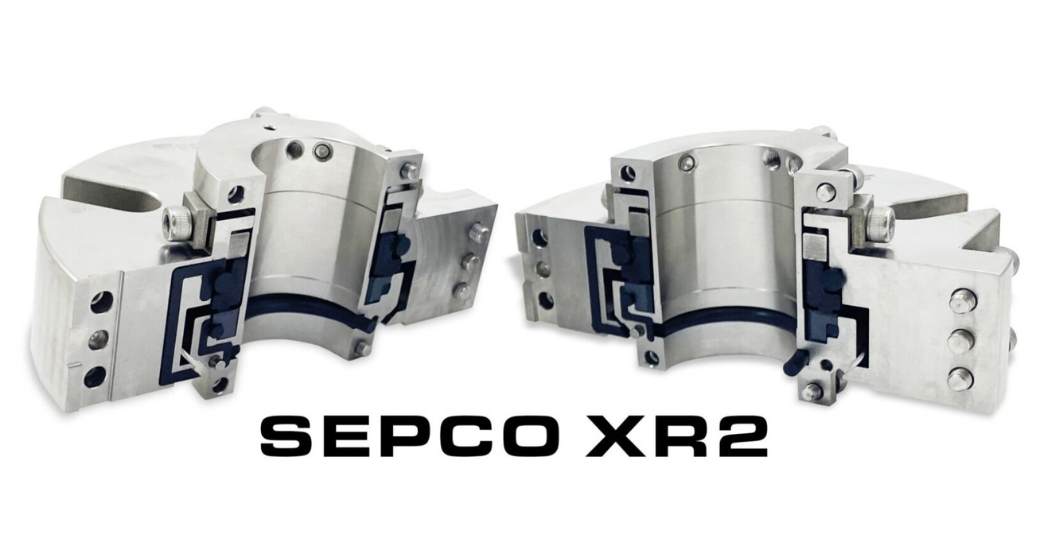
Proper mechanical split seal installation requires verifying equipment runout and endplay tolerances, keeping seal faces and split lines clean, applying even torque in a cross pattern, and testing at low…
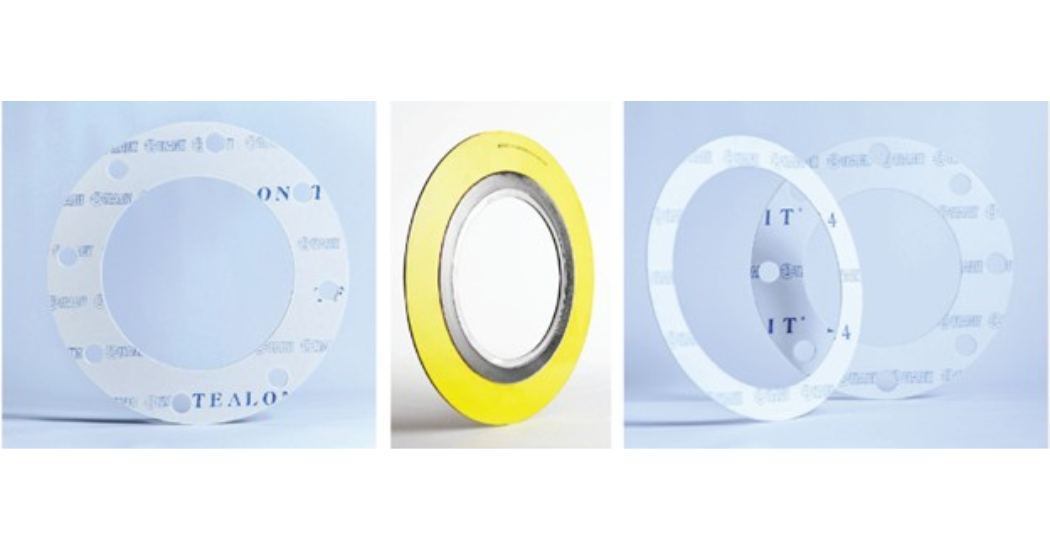
In bolted flange joint assembly, leaks are rarely caused by defective materials. Often, they stem from inconsistent assembly practices and a limited understanding of how gaskets behave under load.