Methane Leaks Exposed: Six Sealing Myths and Facts
Natural gas, composed primarily of methane (CH₄), plays an important role in the global energy sector.
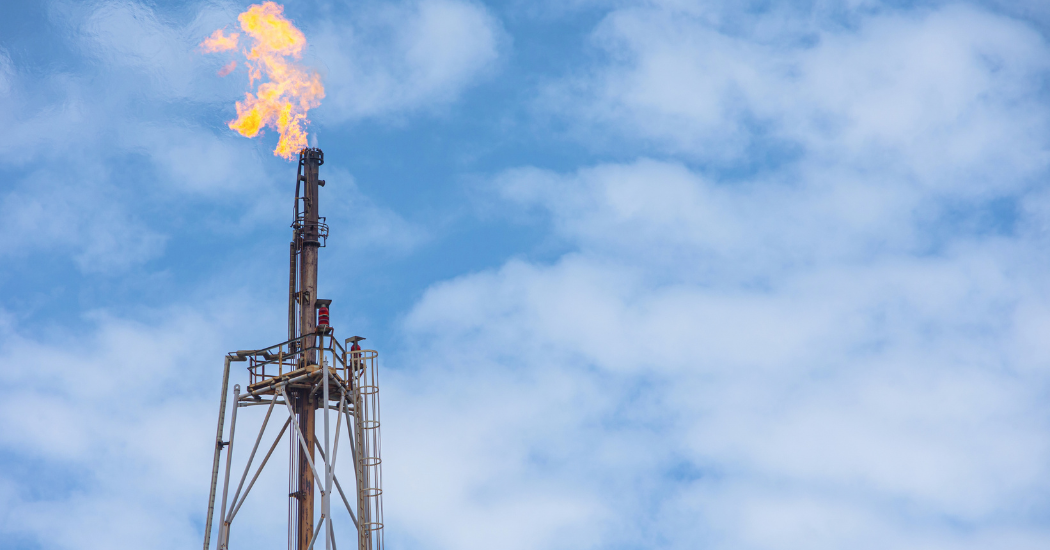
Natural gas, composed primarily of methane (CH₄), plays an important role in the global energy sector. Its use has increased due to its efficient combustion, high hydrogen-to-carbon ratio, and comparatively lower environmental impact. On an energy basis, natural gas generates 50% fewer greenhouse gas emissions than coal and 30% fewer than heating oil.
However, its lower combustion emissions do not eliminate the environmental and operational consequences of methane leakage. Fugitive emissions can occur throughout natural gas, renewable natural gas, and hydrogen-blended natural gas supply chains. Addressing common misconceptions about these emissions is essential to improving environmental performance, regulatory compliance, system reliability, and product retention.
Myth 1: Natural gas has a limited effect on the atmosphere because it produces fewer emissions than other fossil fuels.
Fact: Natural gas produces fewer greenhouse gas emissions during combustion compared to other fossil fuels, but methane leakage remains a significant concern.
In 2022, U.S. methane emissions were estimated at approximately 800 million metric tons of carbon dioxide equivalent (CO₂e), based on a 100-year Global Warming Potential. Natural gas and petroleum systems accounted for approximately 220 million metric tons, including:
- 43 million metric tons from pneumatic instruments
- 35 million from gas engines
- 35 million from equipment fugitive leaks
- 32 million from compressors
Controlling methane emissions throughout production, transportation, distribution, and end use remains critical.
Myth 2: Methane is less concerning than carbon dioxide because it has a shorter atmospheric lifespan.
Fact: Methane has a shorter atmospheric lifespan, but its warming potential is substantially greater.
Methane has an atmospheric lifespan of approximately 12 years, compared with roughly 100 years for carbon dioxide (CO₂). However, its Global Warming Potential is approximately 86 times greater than CO₂ over 20 years and 28 times greater over 100 years.
Therefore, one metric ton of methane has the same climate impact as approximately 86 metric tons of CO₂ over 20 years, making the reduction of fugitive emissions particularly important.
Myth 3: Methane leakage is primarily an environmental issue.
Fact: Methane leakage also affects compliance, product retention, maintenance costs, fees, and reliability.
Methane released through leaking equipment represents both an emission and the loss of a valuable product. Controlling these leaks can deliver several operational and financial benefits:
- Environmental compliance: Lower greenhouse gas emissions support compliance with evolving regulations.
- Product retention: Preventing leaks reduces the amount of valuable methane lost to the atmosphere.
- Maintenance costs: Improved sealing can decrease maintenance and replacement expenses.
- Emission fees: Lower declared emissions can reduce operating fees.
- Reliability: Effective sealing can extend the service life of critical infrastructure and improve operational efficiency.
Advanced low-emission sealing solutions can also reduce the frequency of valve maintenance and replacement while supporting smoother and more reliable operations.
Myth 4: Existing natural gas infrastructure can transport hydrogen blends without creating additional sealing challenges.
Fact: The physical and chemical characteristics of hydrogen increase leakage risk within the supply chain.
Hydrogen is considered a promising clean energy carrier and a potential strategy for reducing dependence on fossil fuels. It is a small molecule that readily escapes and disperses into the atmosphere. Leakage can result from:
- Defective seals or gaskets
- Venting and purging
- Valve misalignment
- Equipment failure
- Leakage from production and storage vessels, pipelines during transportation, and end use
Leakage from hydrogen vessels and pipelines is approximately 1.5 to 3.0 times higher than gaseous methane leakage. While a 20% hydrogen blend provides an approximately 7% reduction in combustion CO₂ emissions, effective sealing is necessary to manage the increased leakage risk.
Myth 5: Standard sealing solutions are sufficient for every gas composition.
Fact: Sealing requirements must account for the different physical and chemical properties of gases that are difficult to seal.
Natural gas, renewable natural gas, and hydrogen-blended natural gas share similar transmission and distribution infrastructure, and their sealing demands specific and engineered designs.
Low-emission gaskets and valve packing are therefore critical to managing fugitive emissions across changing gas compositions.
Myth 6: Upgrading gaskets and valve packing produces only marginal emission reductions.
Fact: Low-emission sealing solutions can substantially reduce fugitive methane emissions.
A hypothetical facility with 1,000 flange pairs and 100 valves leaking at 10,000 ppm would release approximately 800 metric tons of TOC’s per year.
Equipping the facility with low-emission gaskets and packing, such as the TEADIT® 913M spiral wound gasket and TEADIT® 2848 valve packing, could reduce methane leakage to less than one metric ton annually. This represents an estimated 99,88% reduction and potential savings of at least $100,000 USD per year through lower product losses and environmental fees.
Turning Emission Reduction into Operational Value
Combining low-emission gaskets and valve packing with routine monitoring and timely repairs can reduce emissions, support compliance, limit product loss, lower costs, and strengthen supply chain reliability.
For more information on cutting methane leaks in natural gas and hydrogen blended supply chains, read the full article.