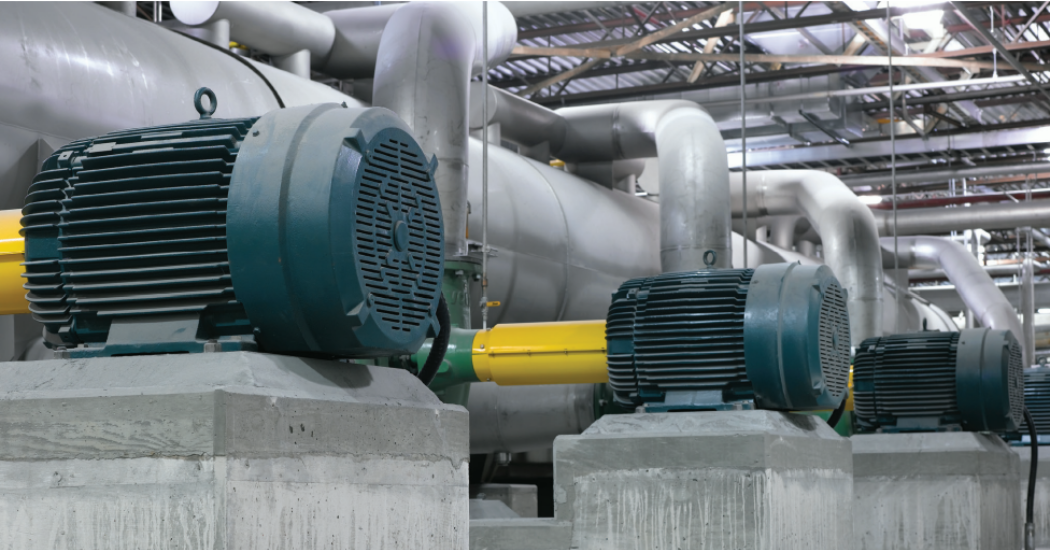
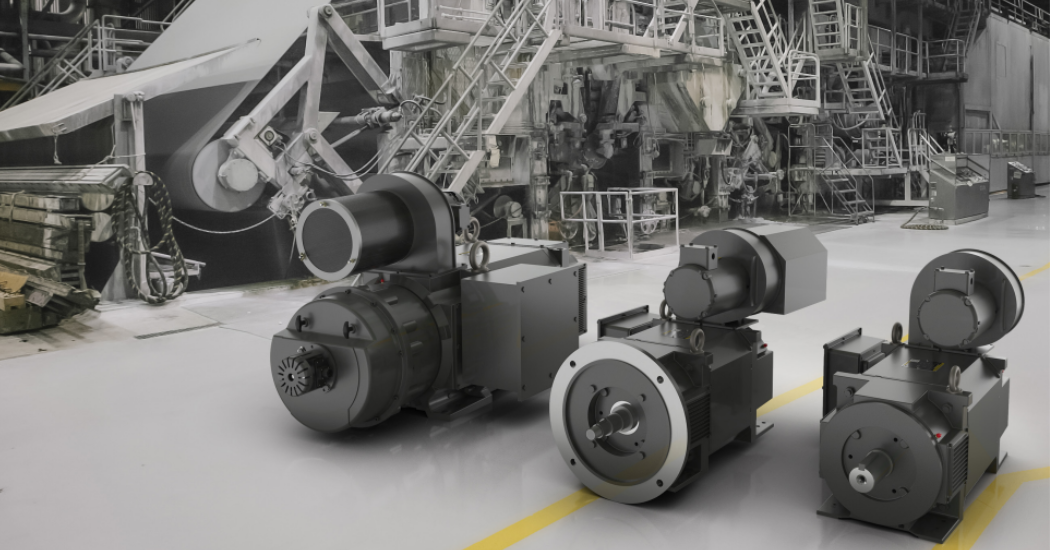
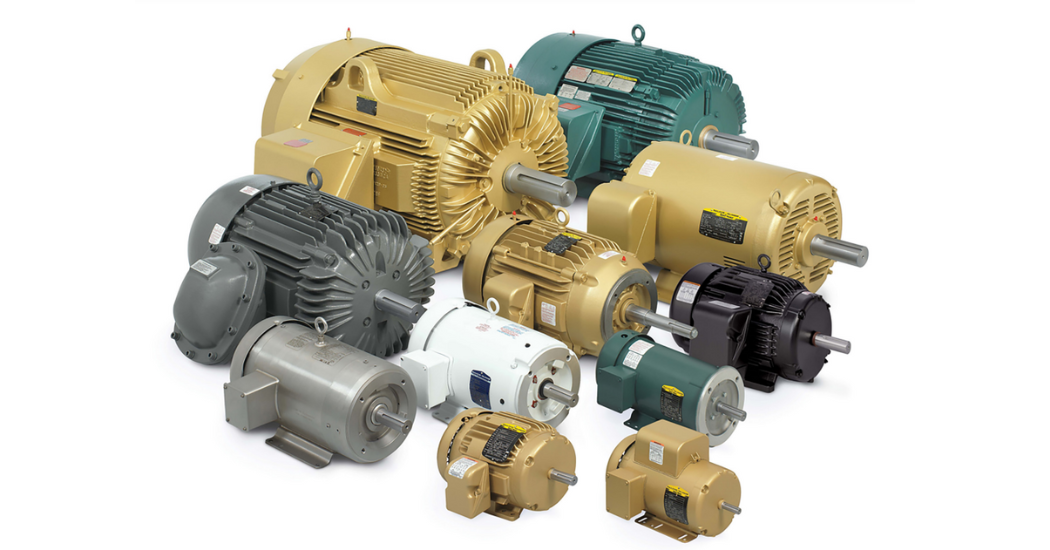
White papersTWMC marine application motors are specifically designed to meet IEC 60034-18-41/42 and can be used with any quality adjustable frequency drive. These motor designs also meet any of the major marine classification specifications, including ABS, DNV, LLOYDS, etc.
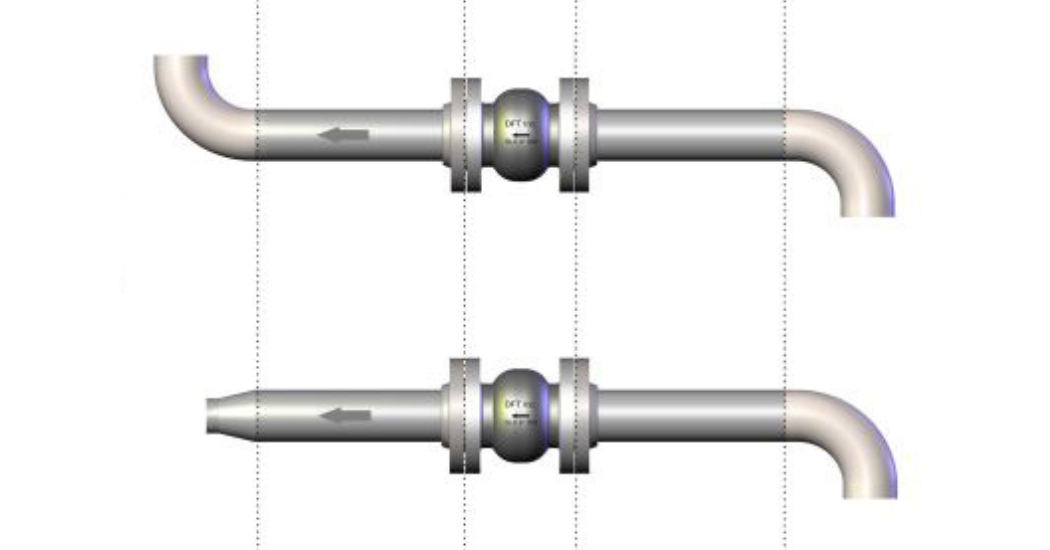
White papersWhat are the recommended installation guidelines for a check valve? Download these guidelines. today
White papersOne of the key assumptions in modern steam hammer load analysis is based on an incomplete understanding of steam wave behavior. Compression waves generated after a valve closure steepen much more quickly than previously thought. The resulting forces generated on pipe runs separated by elbows can be significantly higher than those predicted using current methods. To be more specific, current methods may give unconservative pipe force estimates – potentially resulting in unsafe designs. Using a more complete understanding of gas wave speed, quantitative examples are given which show the larger forces which occur as a result of wave steepening. Suggestions on how to improve load estimation are discussed.
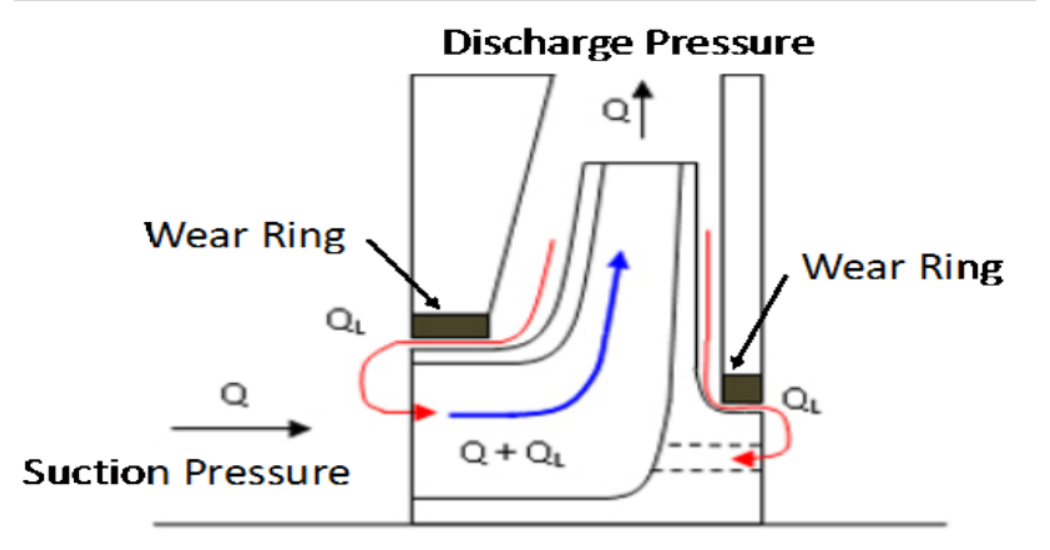
White papersSuction recirculation is caused by flow incidence angles that are significantly dissimilar to the inlet vane geometry. The stalled area on the inlet vane produces a hydraulic instability, resulting in the formation of fluid swirl. Large inlet areas magnify the formation of fluid swirl as the fluid has enough “room” to recirculate. When severe, the fluid circulates out of the impeller eye and interferes with normal suction flow. The detriments of suction recirculation are two-fold. First, the fluid swirl can cause the suction pressure to fall below the fluid vapor pressure, creating vapor bubbles. With changing pressure fields, the bubbles implode and release energy. If this collapse occurs on the vane itself, material damage can result. This is known as separation and/or cavitation which reduces the operating life of the impeller.
White papersThis article will compare the two sections of the ANSI/NEMA MG 1-2021 Motors and Generators Standard¹ that address both applying general purpose induction motors in adjustable speed applications as well as the requirements for machines built specifically to operate on an inverter power source (variable speed drive). This paper is not meant to be an exhaustive examination, but rather an overview of each part and how they differ.
White papersThe term Autonomous Maintenance is most known as one of the eight pillars in TPM – Total Productive Maintenance. The main idea in Autonomous Maintenance is that operators are responsible for performing minor maintenance tasks. You may also have heard of terms such as Operator Essential Care, Operator Based Maintenance, Operator Based Reliability, etc. in short, all these terms ultimately try to describe the same idea. Autonomous maintenance can be implemented in many ways. The hope is that this practical guide will describe key concepts and challenges you may encounter when implementing an autonomous maintenance program. But keep in mind to modify the approach so that it fits your plant. We will be using both the terms autonomous maintenance (AM) and operator-based reliability (OBR) interchangeably throughout this guide.
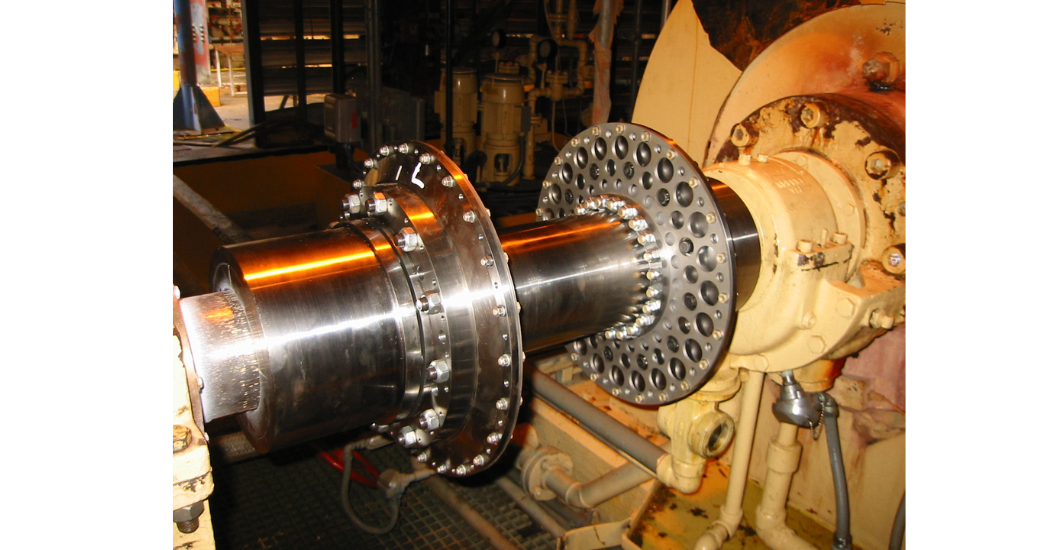
White papersCoupling Corporation of America designs and delivers the broadest range of products for industries from Aerospace to Plastics to Renewable Energy. Learn more about all the industries CCA’s products are used in.
White papersVariable speed motor primer part 2 This paper is the second of a series intended to assist persons involved in specifying, purchasing or applying variable speed motors. A question-and-answer format are used to provide the reader an opportunity to focus on topics of interest.
White papersAs the world moves toward a low-carbon economy, water will play an increasing role in supporting clean technologies. That makes it critical for energy transition initiatives to take into account their impacts on water consumption and how organizations will ensure the proper management of water resources. At Flowserve, we’re committed to safeguarding water as a valuable resource as well as support our customers do the same as they take steps to build a sustainable future. This is the reason why Flowserve partnered with a municipal water supplier in the Middle East to resolve operational issues that were resulting in outages and affecting regional potable water supply.
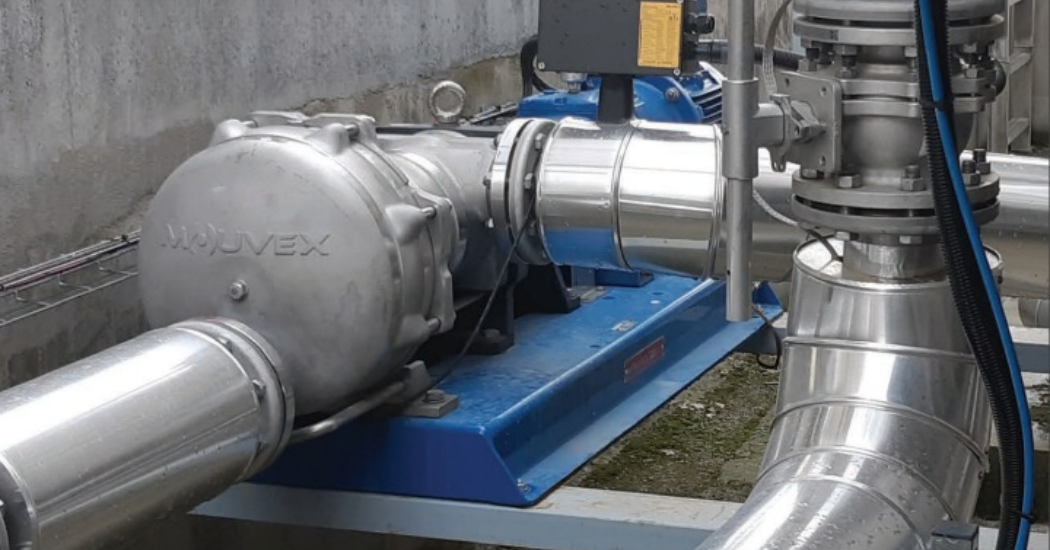
White papersMoving industrial fluids from one point to another is essential to the health of the worldwide economy. There are a variety of methods to transfer these fluids, with the most common being by truck and rail. The process of loading and unloading tank trucks and railcars occurs daily thousands of times at industrial sites across the world. While this is a routine procedure, it also comes with safety and cost challenges. On the safety side, the primary risks associated with fluid transfer include leakage and spillage, both of which can create catastrophic consequences. Hazards from leaks and spills range from widespread pollution to fires. Regarding expenses, spills and leaks lead to a loss of product. When you consider the frequency of fluid transfers across the world, a small spill or leak during each of those interactions creates substantial product loss, all of which impacts the bottom line to the tune of millions of dollars. Additionally, if leaks or spills occur, then maintenance also becomes an immediate necessity on the pumping equipment, which adds to those costs. Another costly problem comes from shearing when using a non-adapted pumping technology. Complicating fluid transfer is the fluid itself. Each liquid brings its share of unique challenges when it comes to loading and unloading. In the chart above, are a few examples of liquids that are transported by road or rail. If there is at least one “yes” in the product line, an adapted pumping technology must be used for loading and unloading applications. A worldwide leading producer of paints and coatings has been running eccentric disc pumps for the handling and transfer of resins, solvents, binders and finished paints without interruption or maintenance since the installation of the first pumps in 2005.
White papersThis paper is the first of a series intended to assist those persons involved in specifying, purchasing or applying variable speed motors. A question-and-answer format is used to provide the reader an opportunity to focus on topics of interest.
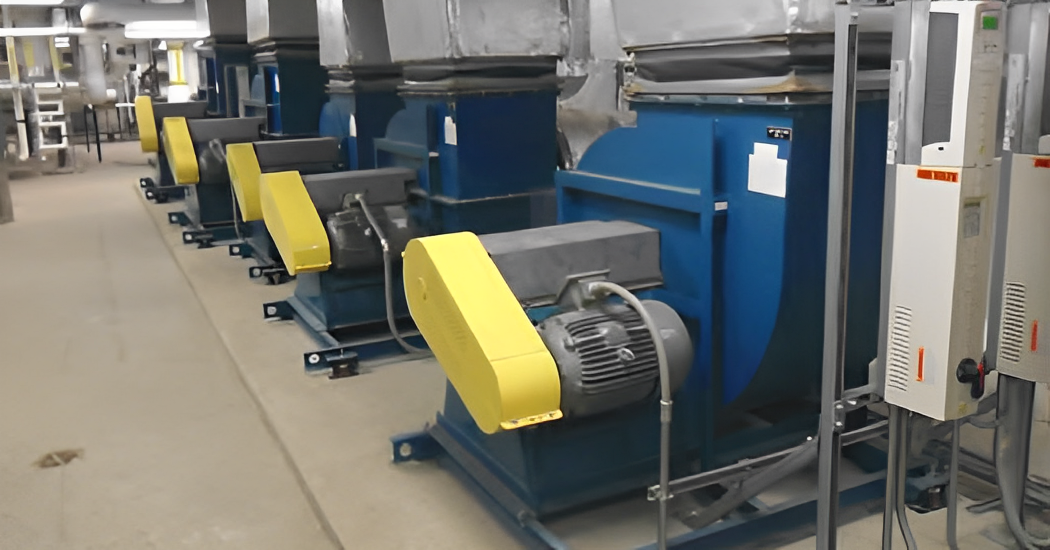
White papersOverview Maximum energy efficiency is the cornerstone of a long and growing list of building certification initiatives such as LEED, Green Globes, Zero Energy Buildings, Living Building Challenge, and Energy Star for Buildings. And variable frequency drives (or VFDs) are a key tool in achieving this energy efficiency. By allowing motors to run at less than full speed, VFDs let HVAC system designers match capacity to changing heating/cooling loads, dramatically reducing energy costs. But VFDs can also damage the bearings of the motors they control — often in as little as 3 months! To ensure the reliability of VFD-driven HVAC motors and lock in energy savings from VFDs, proven long-term bearing protection is essential. Introduction Challenged to reduce energy consumption, facility managers are installing variable frequency drives (VFDs, also known as inverters) in heating, ventilation, and air conditioning (HVAC) systems. By allowing motors to run at less than full speed, these drives can yield energy savings of 30% or more, but they also induce currents that can damage bearings and shorten motor life. The resulting repair costs can wipe out any savings from VFD use. To make HVAC systems truly reliable as well as energy-efficient, proven long-term bearing protection is needed.