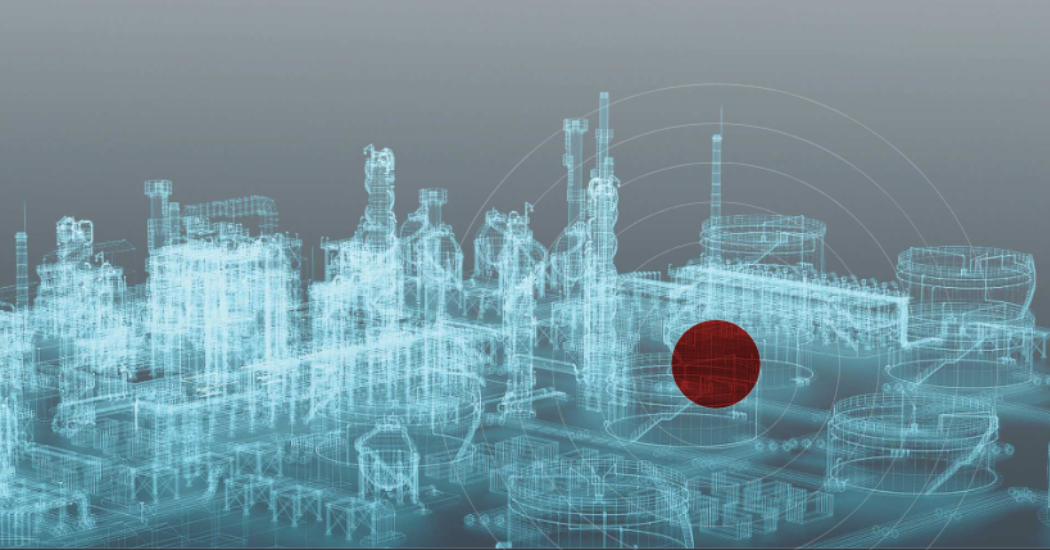
White papersFlow control equipment is the lifeblood of your plant. Flowserve designed its RedRaven platform to give you the insights and tools you need to monitor, analyze and predict equipment performance — so you can respond to problems quickly and minimize disruptions and downtime. The Flowserve RedRaven platform includes a suite of solutions, including equipment sensors, secure communication, performance analytics and trend reporting tools. It also includes a range of offerings that can be customized to meet your plant’s unique needs. Options include condition monitoring services, which allow you to capture asset performance data for analysis, and predictive monitoring capabilities, which apply data analysis software and algorithms to identify and diagnose equipment problems. With access to advanced analytics and trend data, you can identify the slightest changes in equipment performance, variations that can indicate a problem is looming. The RedRaven platform uses engineered analytics, diagnostic and predictive capabilities that tell you how your flow control equipment is performing. You won’t just receive data, you’ll also get real insights needed to make more informed decisions to improve your plant’s efficiency, productivity and bottom line.
White paperHydra-Cell® Principles of Operation Wobble Plate
White papersThe drive shaft is rigidly held in the pump housing by a large tapered roller bearing at the rear of the shaft and a smaller bearing at the front of the shaft. Set between another pair of large bearings is a fixed-angle cam or wobble plate. As the drive shaft turns, the wobble plate nutates, oscillating forward and back (converting axial motion into linear motion). The complete pumping mechanism is submerged in a lubricating oil bath.
White papersApplication, installation, and operation must all be considered for reliability. In this infographic, the influencers of mechanical seal reliability are discussed. What should be considered? Application, installation, and operation. Those charged with technology selection must: Examine the application, including equipment type, operating parameters, fluid makeup, and the environmental controls for the seal chamber. Install the seal correctly and completely. Ensure that the equipment operates as specified, for example, no dry running or deadheading is allowed. Mechanical seals are used in many rotating assets. These include centrifugal pumps, mixers, and agitators. When selected, applied, installed, and operated as specified, mechanical seals often perform reliably for up to 5 years. Using this infographic’s information before purchasing a seal may help save money. It may also advance reliability in the whole system. If you need help with mechanical seal reliability, reach out to your trusted mechanical seal manufacturer. They may be able to conduct a plant equipment survey to determine the seal technology needed. Complete the information below and download the 3 Factors That Affect Mechanical Seal Reliability infographic.
White papersThe majority of industries have wastewater treatment plants. Government agencies and local governments require these facilities to meet pretreatment requirements. Pretreatment rules were enacted to prevent industrial discharges from affecting or passing through domestic wastewater treatment plants, so industry is seeing upgrades or new builds to comply. Wastewater piping systems are constructed from a variety of materials depending on the media flowing through the pipes. These pumping and piping systems can be complex, causing havoc and downtime when failures occur. Download to learn more about the role expansion joints play in Industrial wastewater treatment plants.
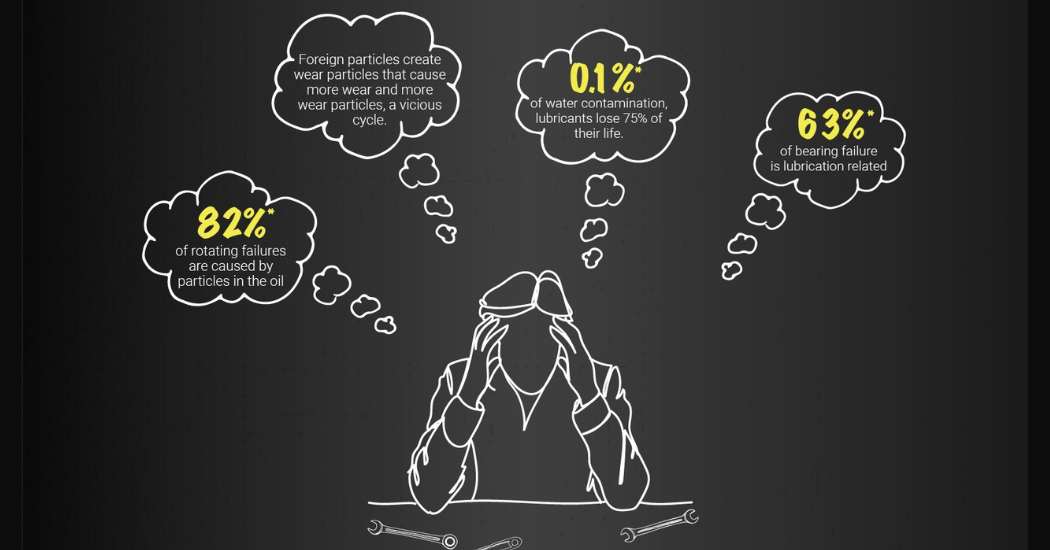
White papersLearning how to decrease oil changes can be time- and money-saving. Oil life can be long if contamination is eliminated, which is easier said than done. This infographic details how improved vertical labyrinth technology keeps oil in and contaminants out. In addition it shows how to decrease oil changes with this technology.
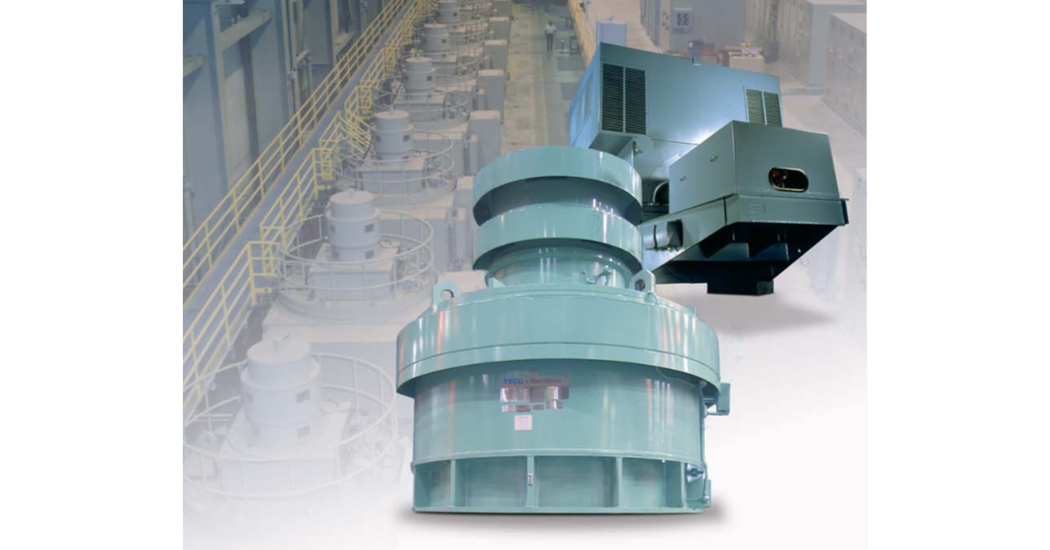
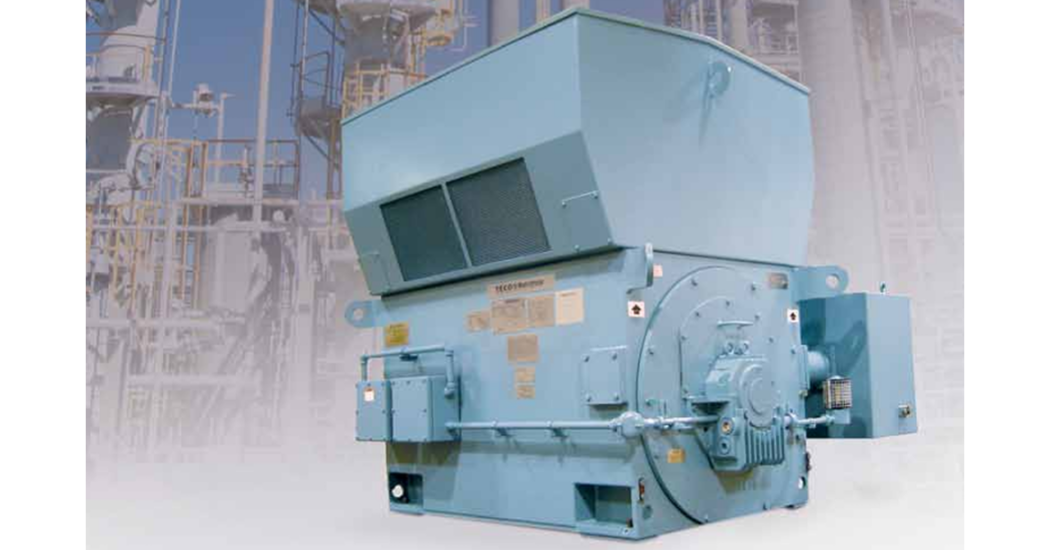
White papersTECO-Westinghouse experience assures superior performance and reliability For over a century, Westinghouse has been the pacesetter in the design and production of electric machines for heavy industry. This tradition is carried forward by TECO-Westinghouse Motor Company. Their engineering, design expertise, rigorous quality control, and testing procedures ensure the superior performance and unsurpassed reliability of each machine. Since the late 19th century, Westinghouse has been the driving force behind the evolution of rotating electric machine technology. The long list of pioneering developments includes vacuum pressure impregnation (VPI), Thermalastic® Epoxy insulation, self-lubricating bearings, and brushless excitation. In the synchronous arena, TECO-Westinghouse Motor Company has a track record for excellence and innovation. Designed to meet the needs of both domestic and worldwide motor markets, TECO-Westinghouse Motor Company synchronous machines are the culmination of more than 100 years of experience from the acknowledged leader in rotating electric machine technology.
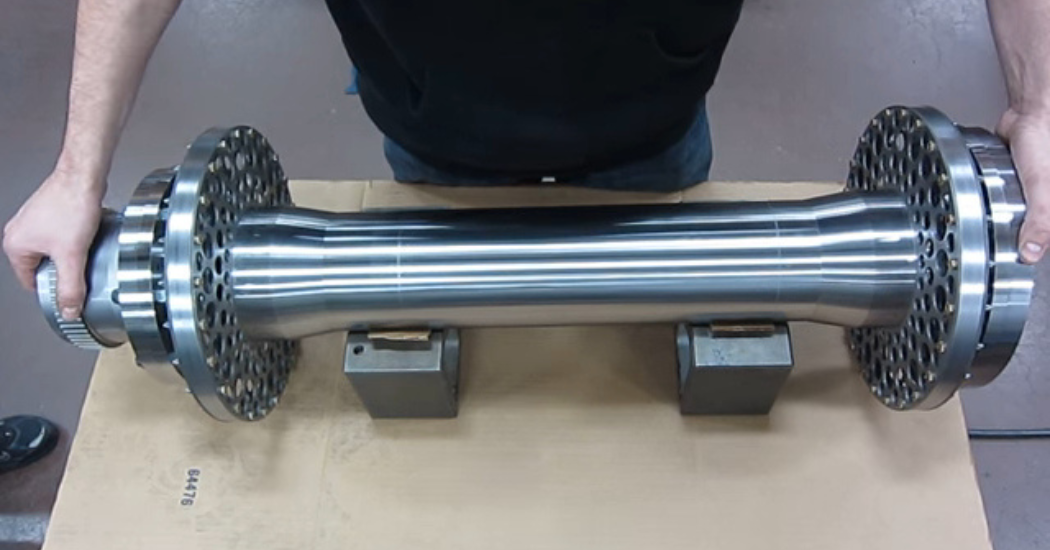
White papersJ. Hilbert Anderson, President of Coupling Corporation of America, discusses some of the reasons why FLEXXORs are designed differently from all other flexible couplings, and why they have such an excellent record for solving difficult drive problems. In recent years, many new demands have been made on flexible shaft couplings. Years ago, most centrifugal compressor applications were limited to low-pressure air and low-pressure refrigerants. Shaft torques and speeds were relatively low compared to those used today where high-density gases are the common thing for compressors, and the torques and speeds have increased dramatically. This has resulted in much higher torque and higher speed requirements for flexible couplings. In addition, today many gases being handled require tight shaft seals, and the temperature differences between machines have tended to increase. All of these factors help to make flexible coupling requirements more stringent than ever before. With these increasingly difficult requirements for couplings, the problems that have developed in the field have been more and more frequent, and more and more severe. The FLEXXOR was developed to overcome the many problems and difficulties which occurred with commonly used gear type or multiple strip flexing couplings.
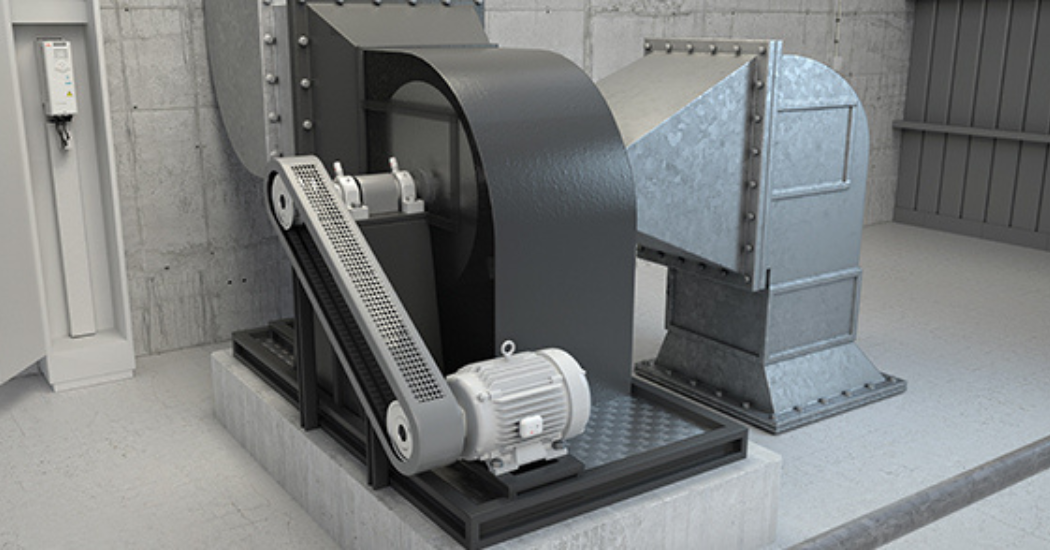
White papersWhat is a drive? A variable speed drive – also known as a variable frequency drive, VSD, VFD or inverter (hereafter referred to as a “drive”) – controls the speed and torque of an electric motor (in this case, an AC motor) by controlling the motor’s terminal voltage. A drive sits between the electrical supply and the motor. Power from the electrical supply goes into the drive, and the drive then regulates the power that is fed to the motor. A drive is comprised of three basic components: an AC/DC converter, a DC link and a DC/AC converter. The first converter changes the input 60Hz sine wave voltage into a DC voltage. This DC voltage is filtered using capacitors in the DC link, which links the two converters. In low-voltage applications, the second converter is usually a two-level inverter. This inverter changes the DC voltage into three-phase PWM voltages. The average over one pulse width modulation (PWM) cycle can be +DC link, -DC link, or anywhere in between by varying the pulse width. This PWM voltage is used to approximate a sine wave by use of these PWM square waves. A motor will have a very high inductance, which averages these PWM voltages and results in a sine wave current. What are the benefits of pairing a motor with a drive? By pairing a motor with a drive, an operator can adjust the frequency and the voltage that feed into to the motor based on the current process demands. This means an operator can run a motor at the appropriate speed and/or torque for the demand needed, which can lead to significant energy – and thereby cost – savings. Besides saving energy and money, drives help reduce maintenance costs, waste and even ambient noise emissions while helping companies to meet their environmental goals.
White paperHydra-Cell® Fluid Handling Capability
White papersHandles Abrasives and Low-to-High Viscosity Fluids From drinking water to highly viscous cutting fluids, Hydra-Cell pumps handle the full spectrum of process fluids while maintaining high-efficiency operation. This includes non-lubricating fluids as well as difficult fluids with abrasives that can damage or destroy other types of pumps. This makes Hydra-Cell an ideal choice in a wide range of industries and when serving multiple applications in one facility.
White papersWhether your application requires a 250 horsepower motor, a 30,000 horsepower motor, or anything in between, look to World Series® motors for the utmost in value and performance. World Series® motors are a top-quality line of induction motors that are distinguished by higher efficiencies, advanced software design capabilities, metric frame sizes and TECO-Westinghouse’s reputation for quality and reliability.
White papersRecent research has shown that a commonly used method to estimate transient pipe forces does not reliably yield conservative predictions. As the topic of transient compressible flow is quite complex, engineers should be very cautious in applying simple algebraic formulas to estimate loads for design use. With that caution in mind, some engineers would still like to have a simple method available. This paper develops a new method that offers an improved way of estimating transient pipe loads. Comparisons are made against numerical simulations for a realistic power station piping example using real gas models for the steam properties and pipe friction. The comparisons are surprisingly good for this example. The improved method provides better estimates than methods commonly used today and is recommended as a replacement for such methods. Engineers should consider using the new, improved method as a preliminary design tool and for screening purposes. Engineers should take extra care in using the new method for detailed design purposes.
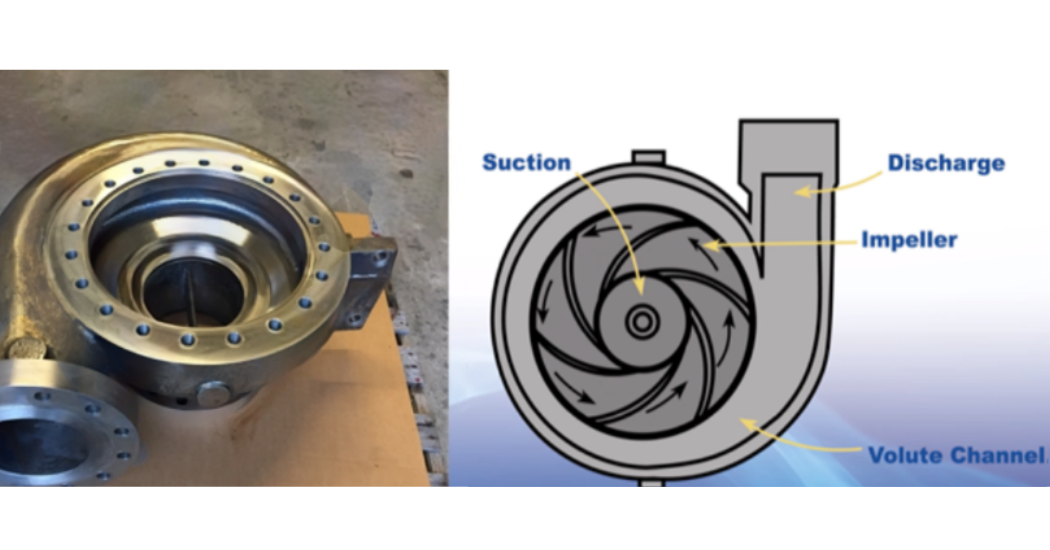
White papersDischarge recirculation occurs when a pump is operating significantly away from its best efficiency point (BEP). The BEP is the operating point at which the angle of the flow most closely matches the impeller and diffuser/volute vane geometry. The close correspondence of the fluid angle and fixed vane angle at this point produces the least possible losses incurred throughout the pump operating range, resulting in maximum pump efficiency. The farther that the pump operates from the BEP, the greater the mismatch between the flow angle and the fixed geometry vane angles. This mismatch results not only in increasing shock losses that reduce pump efficiency, but also many other detrimental effects on pump health; these effects are all caused by an increasing susceptibility of the flow to internal recirculation. Discharge recirculation occurs at the outlet of the impeller and is related to the angle of the exiting fluid. In this condition, there is a mismatch between the angle of the flow exiting the impeller and the inlet angle of either the volute cutwater or diffuser vanes. Recirculation becomes more severe when the divergence is more significant.