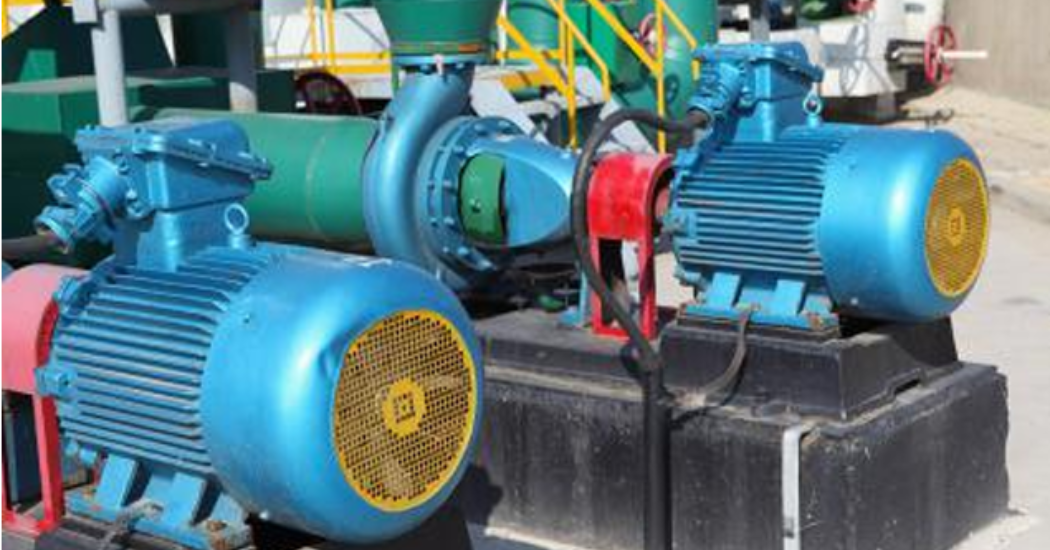
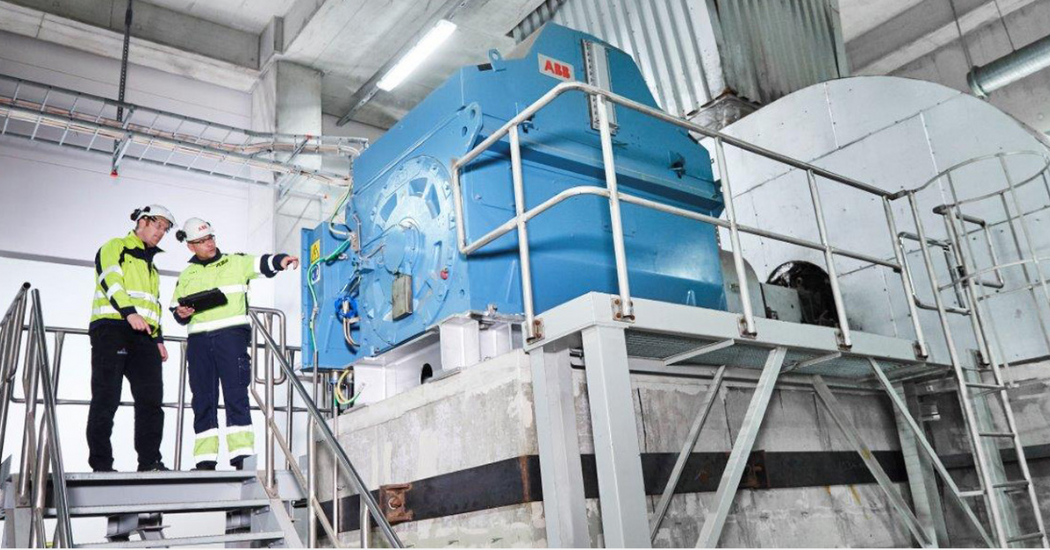
White papersPumping System Reliability is Critical Pumps and pumping systems account for 25% of the energy consumed by electric motors in the United States. In pumping intensive industries, this number is over 50%. In fact, providing clean drinking water to homes and businesses alone accounts for almost 12.5% of total US pump energy consumption. To improve the efficiency of pumping systems and reduce their energy consumption, pump users are turning to variable frequency drives (VFDs). Since most pumping systems are designed for maximum service conditions (capacity and differential head), running them at partial load can save considerable energy. So, by precisely matching motor speed to pumping requirements, VFDs can reduce energy costs by as much as 30% or more.
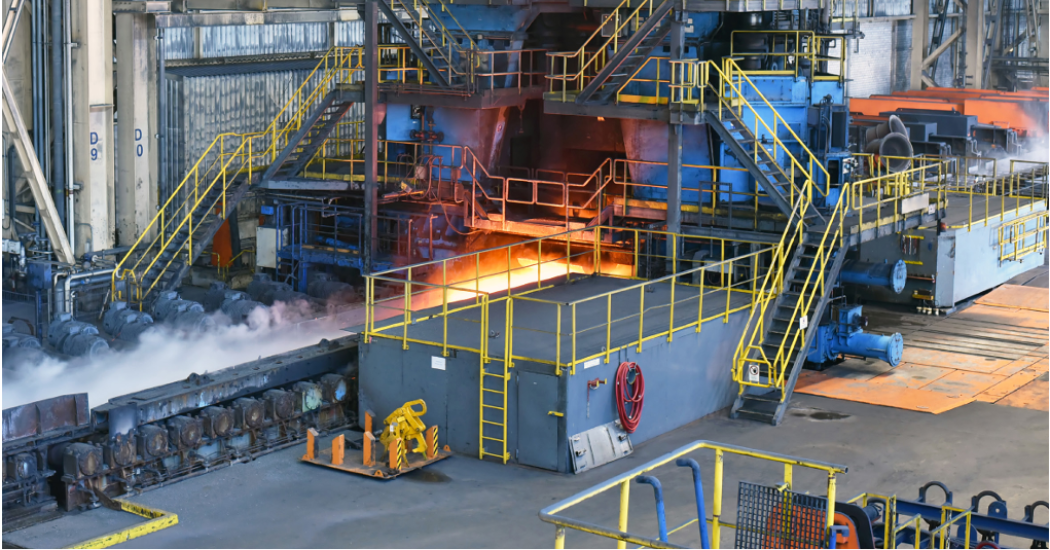
White papersReducing energy consumption, costs and emissions in the iron and steel industry The iron and steel industry emits 2.3 Gt of CO2 per year, which amounts to 7% of total global carbon emissions. To meet global climate and energy goals, the IEA estimates that these emissions must be cut by 50% by 2050. This will require both decarbonization of the steel process – meaning removing coal/fossil fuels from the energy supply – and improving energy efficiency.
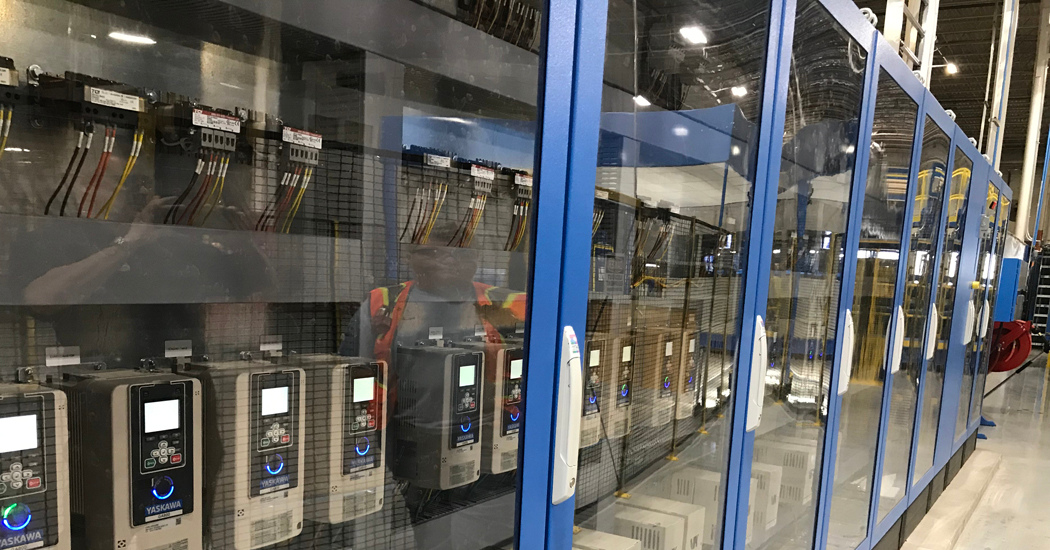
White papersVariable frequency drives (VFDs) have advanced in capability and function, providing more system control to help eliminate external devices and integrate with programmable logic controllers (PLCs). In most cases, the VFD default settings will be sufficient for your application. If you need to adjust parameter settings, typically no more than a dozen settings are adjusted for a particular application. This article details a list of the top five parameter settings programmed by VFD installers to help you better understand what you’re setting and why.
White paperBest Practices for High Frequency Grounding with AEGIS®HFGS (High-Frequency Ground Straps)
White papersAEGIS®High-Frequency Ground Strap Ensures Reliable Bond Between Motor Frame and System Ground Reliable-low impedance path to ground for high-frequency currents from the motor frame to drive/facility ground. Improve the grounding system of VFD driven systems plus any attached or coupled equipment. Focus on NEMA and IEC frame motors for off-the-shelf selection in 12” and 24” lengths Custom engineered high-frequency ground straps for longer lengths. What can cause Impendence to High Frequency Currents? Note: Impedance is the “resistance” to high frequencies Long electrical wire lengths used in electrical connections can have a significant impedance to the high frequency currents Paint, corrosion, dissimilar metals, and multiple connection points can create impedances between surfaces Unshielded wire can induce electrical EMI and RFI across wires especially when multiple unshielded wires are all running in the same conduit
White papersVFDs Improve Process Control and Reduce Energy Costs According to the American Iron and Steel Institute, energy costs account for 20% of the cost of producing steel. So, by reducing energy consumption, steel plants can increase profitability. By allowing precise control of motor speed, variable frequency drives (VFDs) not only reduce energy costs by 30% or more, they improve process control, reduce waste/spoilage, and help improve product quality. But VFDs Can Damage Motor Bearings and Shut Down Processes… But, VFDs can damage motors. They induce voltages on the shafts of the motor they control — voltages that can discharge through motor bearings, causing fluting and catastrophic motor failure.
White papersShould energy efficiency policy consist of minimum efficiency performance levels that all suppliers need to reach? Or should the industry in addition strive for the most sustainable solutions possible, thereby promoting faster deployment of the most efficient available technology as well as pushing technical boundaries even further? In other words, should we drive sustainability because we are obliged to or because we want to make a difference? This white paper discusses the role of efficiency in reducing energy consumption and related CO2 emissions and considers the shortcomings of current international energy efficiency standards. It also shows the implications of adopting an approach where the focus is not only on a minimum efficiency performance but also on achieving a top industrial efficiency level that goes above and beyond current regulations.

White papersBy 2050, global energy usage is projected to increase by almost 50% compared to 2020. This includes an increase in energy consumption in the industrial sector.¹ At the time of writing, in the final quarter of 2022, the cost of energy – oil, gas and electricity – is particularly high, which has led to significant extra energy costs for companies, and prices are expected to increase. Global players, including businesses and governments, are looking for ways to achieve and enable sustainable growth. Among the key findings of an Energy Efficiency survey commissioned by ABB in 2022 was that 54 percent of the companies were already investing in energy efficiency measures, and 40 percent planned to make energy efficiency improvements that year. Although energy demand is predicted to grow, new energy efficiency standards and regulations are having a positive effect on global energy consumption. For example, in an IEA analysis of nine large countries and regions, including China, the European Union and the United States, it was found that efficiency standards had successfully helped to save about 1,500 TWh of electricity in 2018.² This was equivalent to the total electricity generated in 2018 in those countries by wind and solar facilities. The aforementioned rising energy prices were one of the main drivers for this focus on energy efficiency. With an average of 23 percent of annual operating costs attributable to energy usage, ninety percent of respondents indicated that higher energy costs are a threat to profitability. In addition to the cost element, new regulations mandate improved energy efficiency and a reduction in emissions. In industries and regions which have a large and aging installed base there are clearly good opportunities to improve energy efficiency by modernizing the existing electric motor systems. This is the case in the US, for example, where over 60% of industrial motors are over 10 years old.³ Reducing energy consumption benefits companies in terms of both profitability and sustainability. At the moment, about 70 percent of the electricity consumed by industry is used by electrical motors and there are over 300 million industrial motor-driven systems in operation.⁴ Therefore, improving the efficiency of electrical motor systems can play a significant role in helping the world reduce CO2 emissions towards “net-zero” and reduce waste. The measures needed to do this are practical, realistic and effective, and they can reduce energy costs for industry, too. In fact, it’s estimated that if all 300 million motor systems were replaced with higher efficiency equipment, we could reduce global electricity consumption by up to 10%.⁵ Thanks to the Internet of Things and digitalization, new types of digital services now offer even more opportunities to reduce energy consumption. With remote connections and services, the status of equipment and even whole processes can be checked at any time, from anywhere, enabling better decisions about energy efficiency. 51 percent of survey respondents are planning to use energy efficiency appraisals to improve their operations. In addition, new flexible business models are emerging that offer the potential for continuous energy optimization services. For example, a trusted partner, like ABB, can share the responsibility for gradually improving the energy efficiency of electrical motor driven equipment over time, while maximizing the value customers get from their assets.
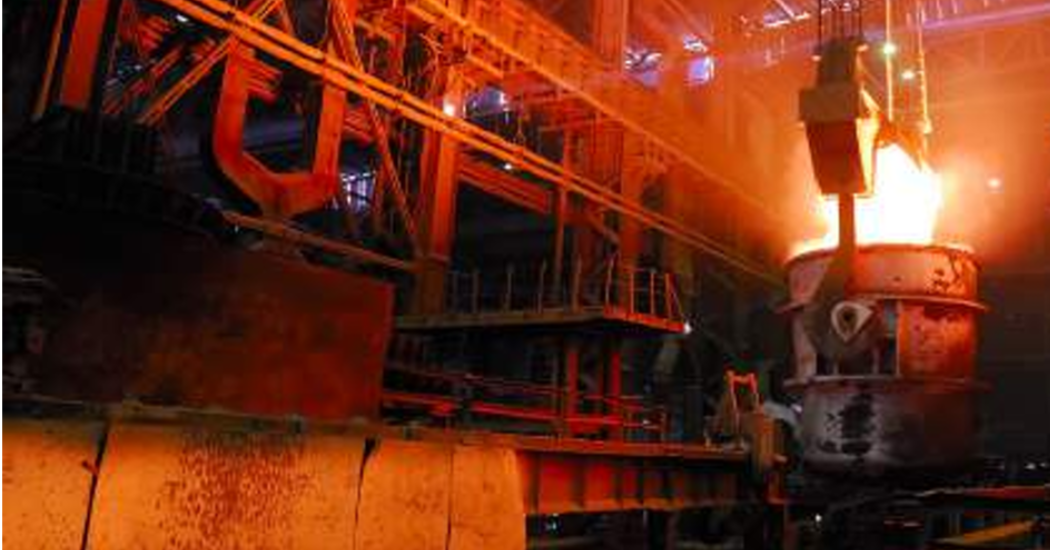
White papersThe Need for Exceptional Reliability Used for everything from gasoline for vehicles, to power for lights and appliances, to key ingredients in plastics and other space-age materials, oil is extremely valuable. It is also very difficult to find. So, once deposits are found, the equipment and processes involved in getting oil out of the ground and to the refinery where it is processed operate continuously — 24 hours a day, 7 days a week. And equipment failures are extremely costly in terms of lost production.
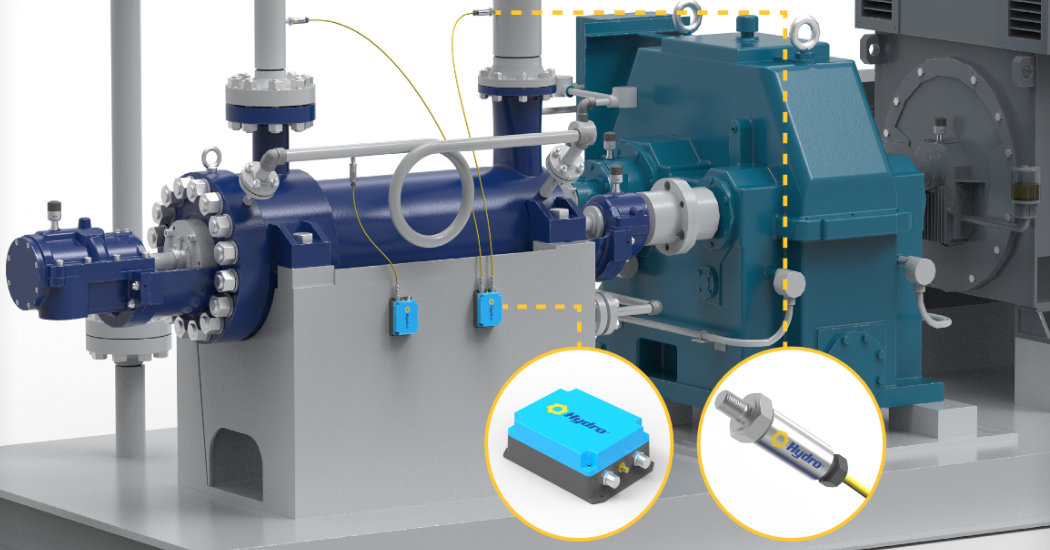
White papersThe Problem Industrial users have relied on analog gauges and route-based data collection methods for decades. These methods often lead to inaccurate or incomplete readings and can expose workers to elevated safety risks, especially in hazardous environments. More importantly, traditional methods do not provide the benefits that continuous monitoring does, such as early detection and warning alerts, remote support for troubleshooting and diagnostics, and improved MTBR/MTBF. Download to read about Hydro Inc.’s solution.
White paperHydra-Cell® Principles of Operation Crankshaft
White papersThe drive shaft (1) is supported in position by two precision ball bearings (2) positioned at either end of the shaft. Located between these bearings are either one or three cam shaft lobes with connecting rods (3) that are hardened, precision ground, and polished. Maintaining a high level of quality on the cam lobes and connecting rod surfaces ensures proper lubrication and reduced operating temperatures in the hydraulic end of the pump. As the drive shaft turns, each cam actuates the attached connecting rod that is pinned into position at the end of each hydraulic piston. This action moves the piston forward and backward, converting the axial motion into linear pumping motion. The complete pumping mechanism is submerged in a lubricating oil bath.
White paperHydro Learning Hub 3: Wear Ring Clearances
White papersThe advent of remote wireless condition monitoring technology and the increased focus on reducing operating costs is accelerating the industry’s move towards predictive maintenance. This maintenance strategy offers significant benefits over the traditional methods of either running to failure or scheduling preventative maintenance based on historical run times. The continuous acquisition of pump operating data allows a predictive maintenance approach that will reduce operating costs by: Trending pump degradation which allows work to be scheduled during planned outages to provide significant increased profitability through elimination of lost production Extending Mean Time Between Repairs (MTBR); pump health is distinguished through proper data acquisition and analysis, effectively reducing maintenance costs Operating near the pump Best Efficiency Point (BEP) and reducing the amount of pressure throttled across a valve; this results in considerable parasitic energy cost savings as well as maintenance cost savings due to improved pump and valve life Determining pump health and understanding the critical factors that affect the reliability and continued operability of a pumping system is quintessential for moving into predictive maintenance space. The wear ring is an important component in the overall pump design and the centerpiece for predictive maintenance. Calculating and trending this clearance in concert with specific vibration data will indicate the pump’s remaining useful life and answer that age-old question – will my pump make it to the next outage?
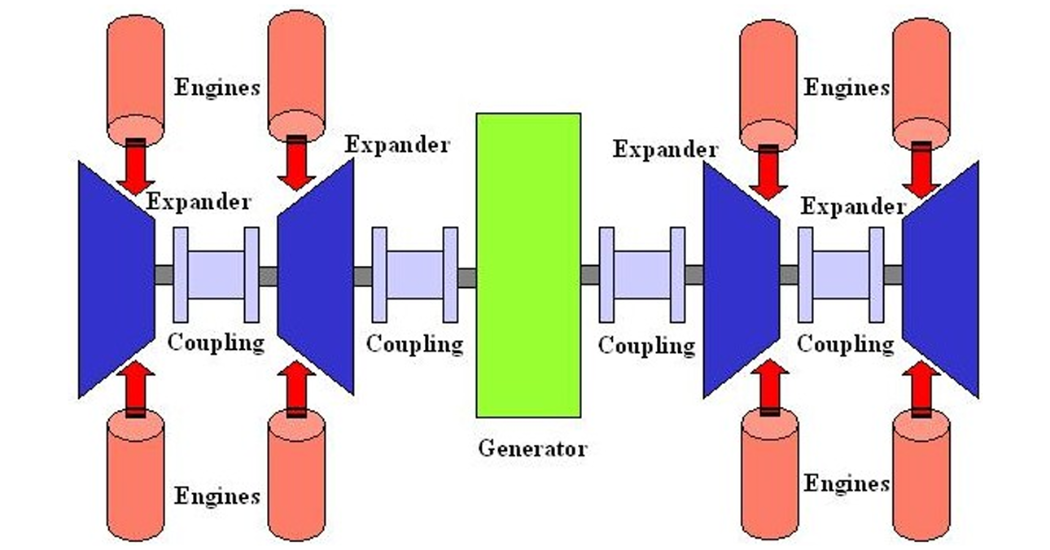
White papersA US power generation company had 36 similar high heat rate gas turbines in two of their plants. These units were used for peaking power in a large metropolitan area. On two of these units in the early 1990’s they tried switching from lubricated, gear-type couplings to single, machined diaphragm-type couplings for reduction of maintenance and improved flexibility. The gear couplings also caused a great deal of vibrations during startup, and many times units were shut down because of excessive vibrations. Due to the extreme thermal growth of these applications, along with the stop-start nature of the application, the couplings were required to handle enormous amounts of misalignment. While the standard diaphragm couplings seemed like a good choice for the application because of their large misalignment capability, they proved to be unable to handle the excessive offset movements caused by thermal growth. The problem with the standard diaphragm was that it was too stiff or in other words, the spring rate was too high. In one case the coupling failed catastrophically very quickly under normal running conditions. In the mid 1990’s the power company tried a different, unique style of diaphragm couplings that used multiple diaphragms with holes in them. The diaphragms were made of thin, uniform thickness steel instead of the more common machined ‘profile’ diaphragms. Because of the holes, these new diaphragms provided much more misalignment capability, and they also had far lower spring rates than the previous diaphragm couplings. The lower spring rates caused an enormous reduction in reactionary forces from the coupling, and they also eliminated many vibration problems caused by the original gear couplings. The overall effect of this discovery was for the company to begin changing all similar units to this type of coupling. Now these 36 units which previously had severe vibration problems during startup, run very reliably. They have also eliminated the need for maintenance, which was an issue with the original gear couplings.