White paperReducing Downtime Through Better Measurement
White papersEvery manufacturing operation depends on reliable equipment to maintain production schedules, product quality, and operational efficiency. Whether producing automotive components, industrial machinery, aerospace systems, pumps, packaging equipment, or consumer goods, keeping equipment operating consistently is essential for meeting production goals and controlling operating costs. Download S. Himmelstein’s whitepaper to learn how better measurement can help reduce downtime, improve reliability, and support more efficient manufacturing operations.
White papersBy Ana Khanlari, PhD | Engineering Software Group At A Glance State of the global LNG industry LNG’s role in energy security and the energy transition Operational, safety, and ESG challenges across the LNG value chain How digital simulation strengthens LNG decision-making How Datacor supports LNG operators with proven engineering tools
White papersThis study examines the transient behavior of pump trips and non-return valve closures in a petrochemical plant’s cooling water system. The system consists of five pumps supplying 100 000 m³/h at 450 kPa, with hydraulically actuated non-return valves and surge towers. Water hammer simulations were conducted to evaluate valve closure rates, mechanical integrity and operational stability. Rapid valve closures prevent reverse rotation but increase valve stress, whereas slower closures risk re-energization complications and plant trips. A closure time of 6 – 12 seconds is recommended to mitigate risks. Findings provide insights into balancing several competing factors such as preventing pump damage, preventing valve damage, minimizing overcurrent trips, and ensuring reliable cooling system performance.
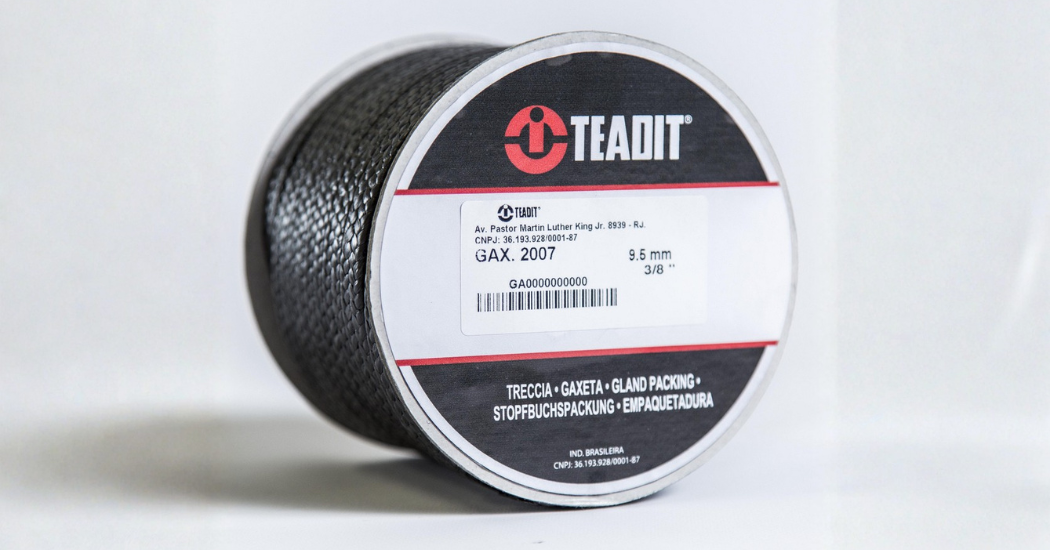
White papersAluminum production places extraordinary demands on sealing systems. In bauxite slurry applications, seals must withstand highly abrasive particles, extreme alkalinity, elevated temperatures, and continuous mechanical wear, making reliable performance a constant challenge. This whitepaper explores the key failure mechanisms affecting slurry sealing systems and explains how the right combination of sealing materials, packing design, and engineering expertise can significantly improve reliability, reduce leakage, and extend equipment life in some of the industry’s harshest operating conditions. Download the whitepaper to learn how engineered sealing solutions help aluminum producers improve pump performance, minimize maintenance, and keep critical operations running efficiently.
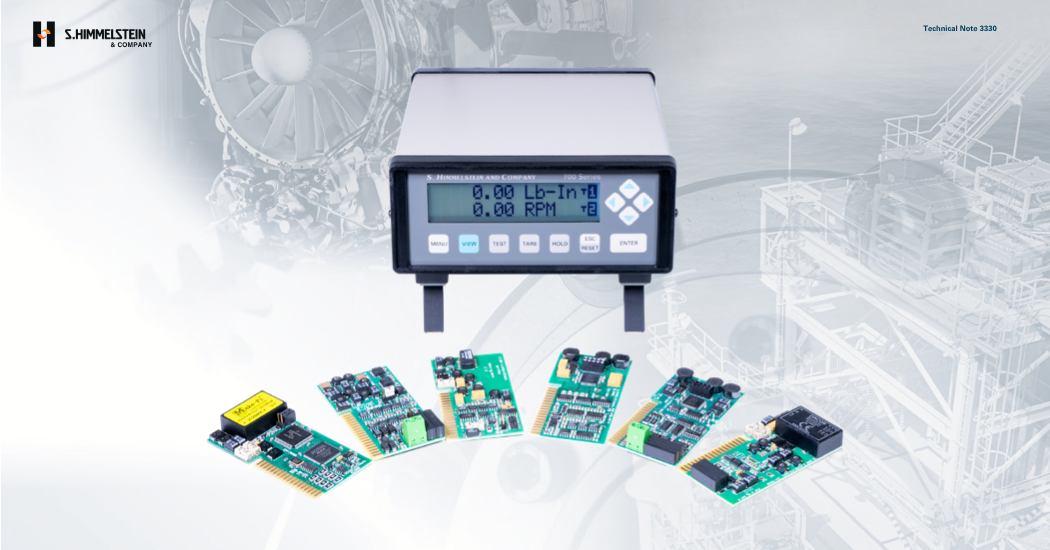
White papersAchieving high-fidelity torque measurement is essential across industries—from R&D to industrial testing environments. While torque transducers capture raw mechanical data, the integrity and usability of that data depend heavily on precise signal conditioning. The Model 700+ Series by delivers exceptional signal processing, filtering, data handling, and real-time control capabilities to optimize the performance of torque transducers.
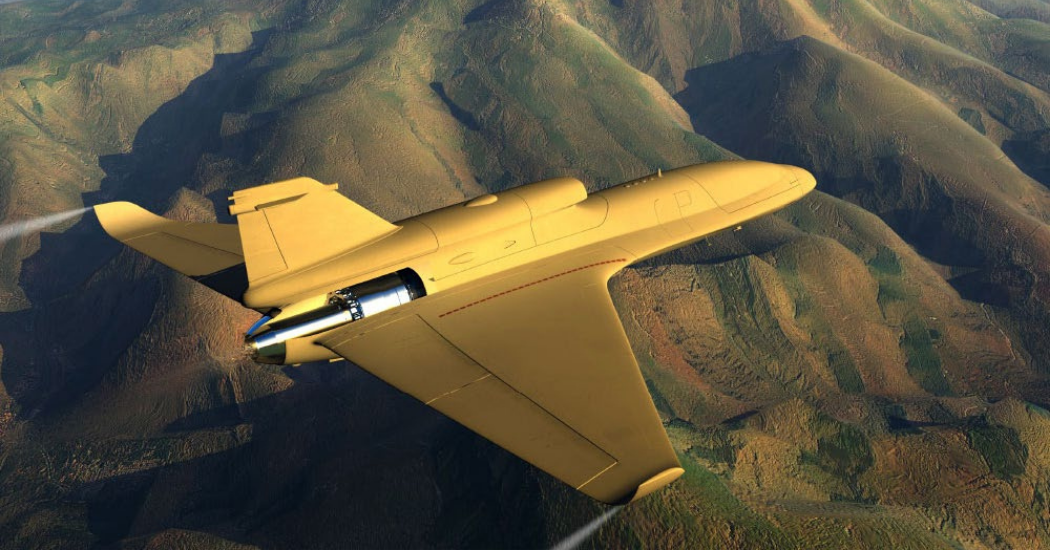
White papersTurbojets offer high power density and low mechanical complexity, enabling compact and lightweight propulsion systems well suited for high-speed, space-constrained applications such as UAVs, missiles and other attritional airframes. However, as single-stream engines, turbojets exhibit inherently lower propulsive efficiency than turbofans, placing greater importance on aerodynamic design quality and component-level performance. Within this work, a compressor–turbine pair is developed to meet specified thrust and turbine inlet temperature targets representative of a high-speed drone application, based on industry derived requirements. A Brayton-cycle-based analysis first defines the component-level design requirements, which are then refined through manual iteration. Parametric geometry is generated and adjusted within CFturbo and coupled with external CFD and optimization tools for performance evaluation and design space exploration. The thrust of turbojets is typically between 250 N to about 2,300 N. Manufacturers include JetCat [1] and PBS Aerospace [2]. The present study shows the aerodynamic design of a drone engine with 250 N thrust.
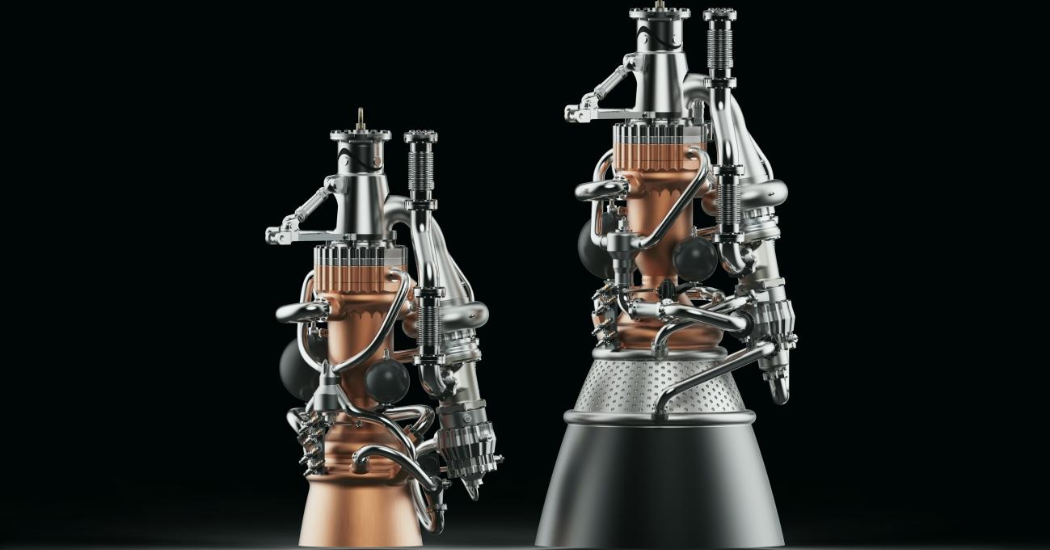
White papersToday, rockets are used to transport satellites and humans into space. These rockets use a cluster of liquid-propellant engines to generate thrust in the lower stage – in some heavy-duty designs with solid-fuel boosters – and in the upper stage often a single liquid-propellant engine of the same type with a thrust nozzle adapted to the vacuum. The enormous thrust generated by a liquid rocket engine is created by the combustion of high mass flows of fuel and oxidizer in the combustion chamber and the subsequent expansion of the combustion gases in the thrust nozzle. In modern liquid rocket engines, the pressure in the combustion chamber reaches up to 30 MPa, with temperatures rising to an extreme 3,000°C. Fuel and oxidizer are stored in liquid state in thin-walled, cylindrical tanks pressurized to approximately 0.5 MPa. The liquid oxygen is cryogenic at -193°C, but even fuels that are liquid at normal ambient temperature are cooled down for maximum density. The two liquids are fed and their pressure increased to a level above the combustion chamber pressure by means of turbopumps.
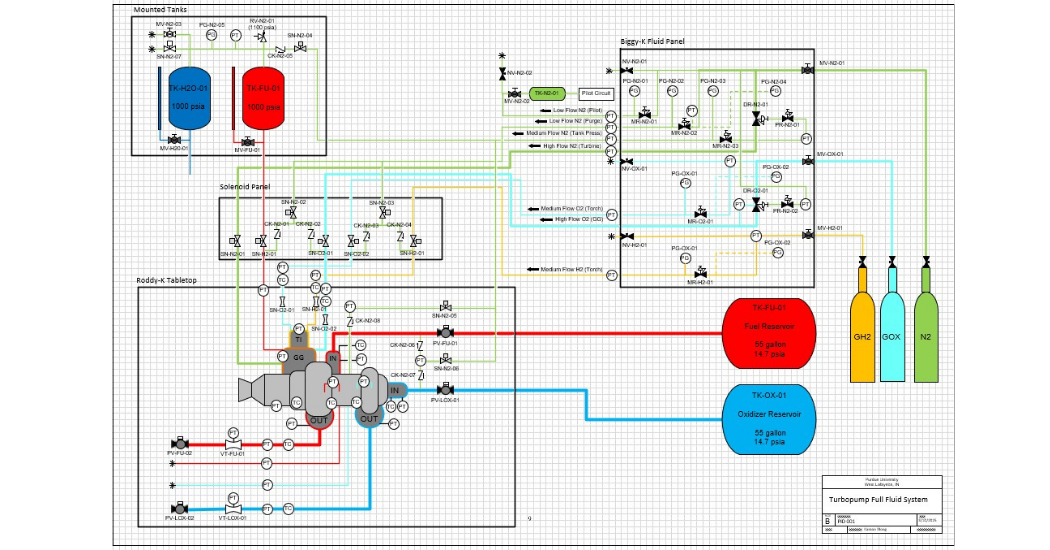
White papersDesign of a kerosene-oxygen turbopump utilizing a conventional open-cycle system architecture sized to power a 5,000-lbf thrust chamber is described. A conservative design approach tolerant of low performance in return for reduced risk, ease of integration, and lower cost is utilized. The conventional, single-shaft oxygen-kerosene-turbine arrangement is chosen, allowing substantial use of FASTRAC and F1 prior art, and operating speed is maintained well below the first critical speed. Programmatic risk is further reduced through leverage of commercial tools such as CFturbo and Dyrobes for pump and rotordynamic design. Both additive and subtractive manufacturing processes are utilized, and requisite design for manufacture is discussed. Plans and procedures for manufacturing and quality assurance, as well as buildup of test and auxiliary infrastructure are additionally outlined in depth. A team of undergraduates, comprised mostly of first-years, was assembled with the objective to design, build, and test a rocket engine turbopump within the span of approximately one academic year, with a long term goal of a full-stack hotfire within approximately two. Understandably an ambitious target, guidance was provided by a cadre of older team members, with a stronger background in project management built from prior experience with engineering teams. The overall system architecture was authoritatively decided at the beginning of the project: an open-cycle, single-shaft arrangement sized for a blackbox 5000 lbf thrust chamber assembly would be utilized, building upon substantial prior art, given the ubiquity of gas-generator cycles during the Apollo program, as well as continued work on low-cost, high-reliability kerosene-oxygen engines by the FASTRAC and Merlin engine programs. A shaft speed of 50,000 RPM was selected for yielding turbomechanically relevant pump specific speeds and reasonable turbine tip speeds. A conservative, mature architecture would thus be utilized to minimize technical risk, in addition to a design paradigm further emphasizing ease of integration, low cost, and fast development time, even at the expense of performance.
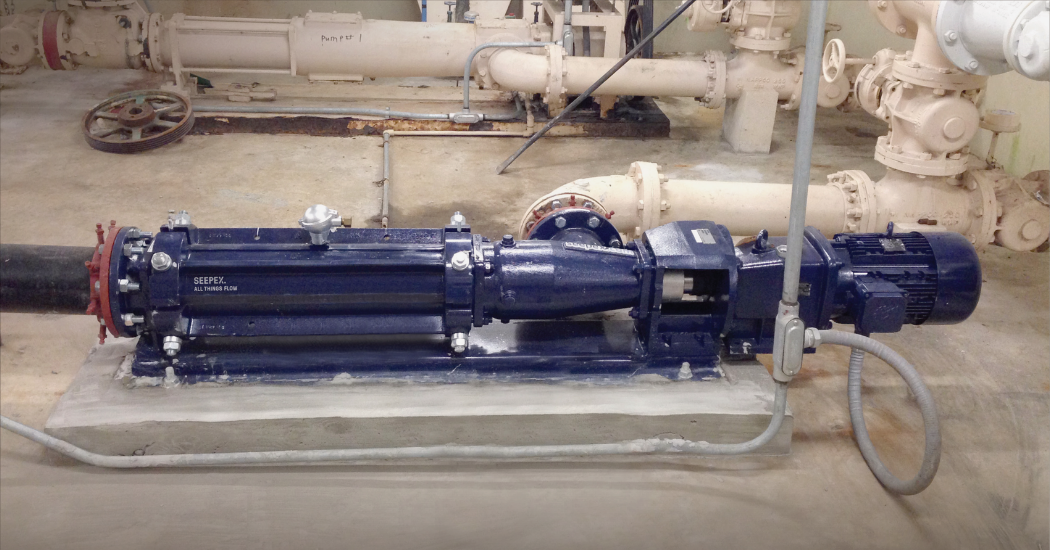
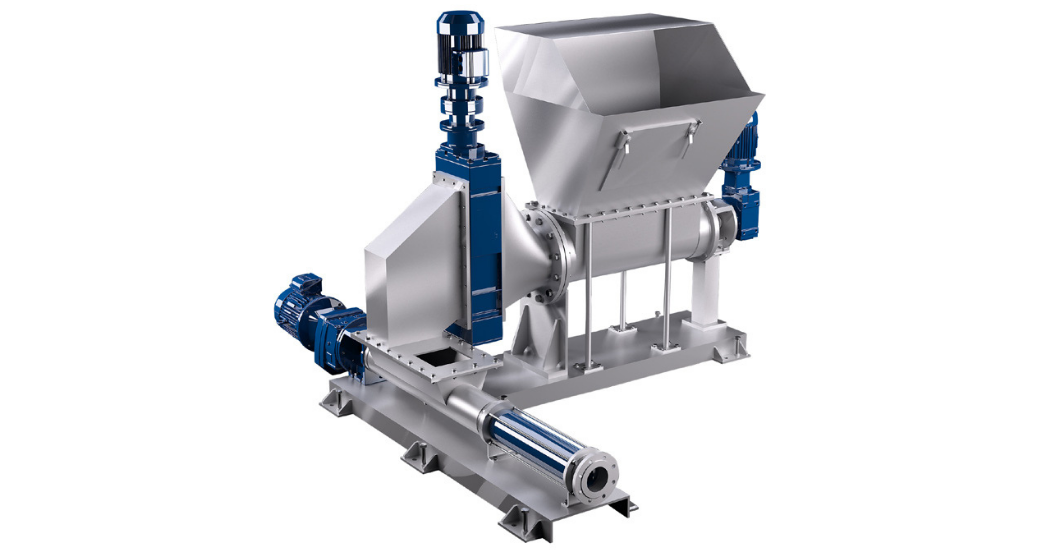
White papersReplace any brand progressive cavity pump with a SEEPEX maintain-in-place Smart Conveying Technology (SCT) pump and receive a 3-Year Performance Guarantee on wear parts! SEEPEX is so confident in the high quality of our products that we offer a 3-Year Performance Guarantee on wear parts when customers make the SWITCH to a SEEPEX SCT pump. This is the only industry guarantee that includes wear parts: rotors, stators, seals, and universal joints.
White papersSEEPEX is excited to announce that, in response to high demand, they are extending their Factory Rebuild Program at their service center in Enon, OH! This limited-time offer provides their valued partners and customers with a cost-effective solution for evaluating, repairing, and rebuilding their SEEPEX pumps and macerators. Imagine your equipment restored to like-new condition at a fraction of the cost – never more than 60% of what you would pay for a new unit! SEEPEX is committed to delivering outstanding service that not only helps you save on costs but also extends the life of your equipment, ensuring you get the best performance for years to come.
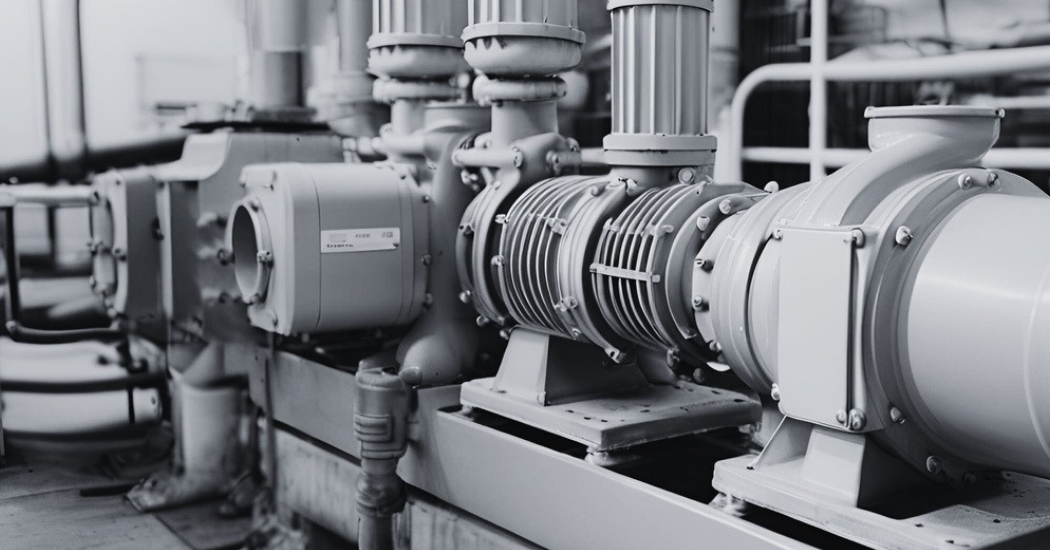
White papersSpecial purpose pump motor power sensors and controls have been available for over 25 years. Because power levels from pump motors relate directly to pumping work being performed, these sensors and controls have proven useful to protecting pumps and motors. Changes in motor power can provide early feedback that could indicate abnormal events such as dry running, cavitation, overloads or bearing failures. This early detection of faults is particularly useful in applications where the fluid being pumped is valuable, dangerous, or particularly messy if it gets out into the environment. Similarly, this protection is highly important in any environments where downtime is costly. Recent advances in networking, storage and processing power have expanded the use of this power data from pump and motor protection to include predictive maintenance, energy monitoring and early fault prediction. By looking at pump motor power over four time horizons the same data can provide all these insightful benefits.
White papersNature’s Way Foods needed a more reliable and hygienic way to remove fruit processing waste from high-care production areas. Frequent pump downtime and difficult-to-handle materials like fruit stones and woody waste were disrupting operations and increasing labor requirements. This case study shows how advanced waste-handling systems from SEEPEX improved reliability, automated waste removal, and reduced disposal and labor costs while maintaining strict hygiene standards in food production. Fill out the form to read the full whitepaper and learn more.