
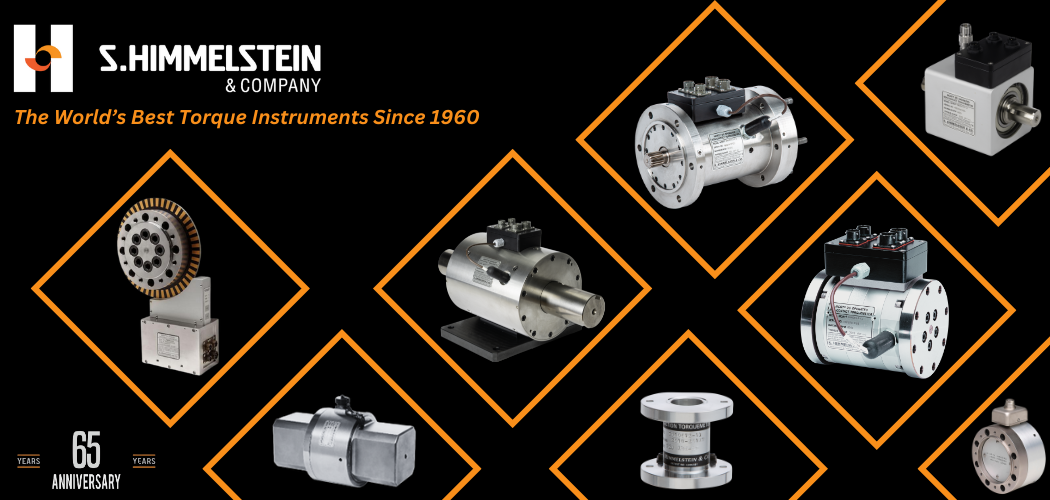
Focused solely on torque since 1960, S. Himmelstein and Company designs and manufactures superior torque measurement instrumentation used by design engineers and predictive maintenance professionals worldwide for test, measurement, monitoring, and control requirements.
Himmelstein’s offerings include MCRT® non-contact torque transducers for precision measurement of torque in the manufacture and development of pumps systems, wellheads, engines, transmissions, drivelines, and accessory components. Their products offer highly accurate and reliable measurement of torque in both rotating and static/reaction applications under real-world conditions. Himmelstein is your answer when you need to quantify product performance, validate quality, or monitor and control continuous processes.
Specific to the pump industry, Himmelstein manufactured and engineered a thrustmeter. The thrustmeter provides users with an accurate and reliable measurement of thrust in their system. Not only does this result in more accurate thrust readings across the range of expected operation during performance testing, thrust can be measured in the field to detect unexpected changes.
Standard products include rotating and reaction sensors from 0.07 Nm to 2.5 MNm in virtually every mechanical configuration. They are available with a best combined non-linearity and hysteresis error of less than ±0.01% full scale. All employ state-of-the-art strain gage technology and are calibrated CW and CCW to full capacity in Himmelstein’s ISO/IEC 17025:2017 accredited laboratory. Himmelstein offers a wide array of accredited torque calibration services for their own and other manufacturers’ torque transducers.
Through Himmelstein’s strength of innovative and technologically advanced products, and expertise, they are your go-to for your torque and thrust measurement requirements.
Contact S.Himmelstein for information.
From S. Himmelstein and Company
Articles 11
Products 9
S. Himmelstein and Company
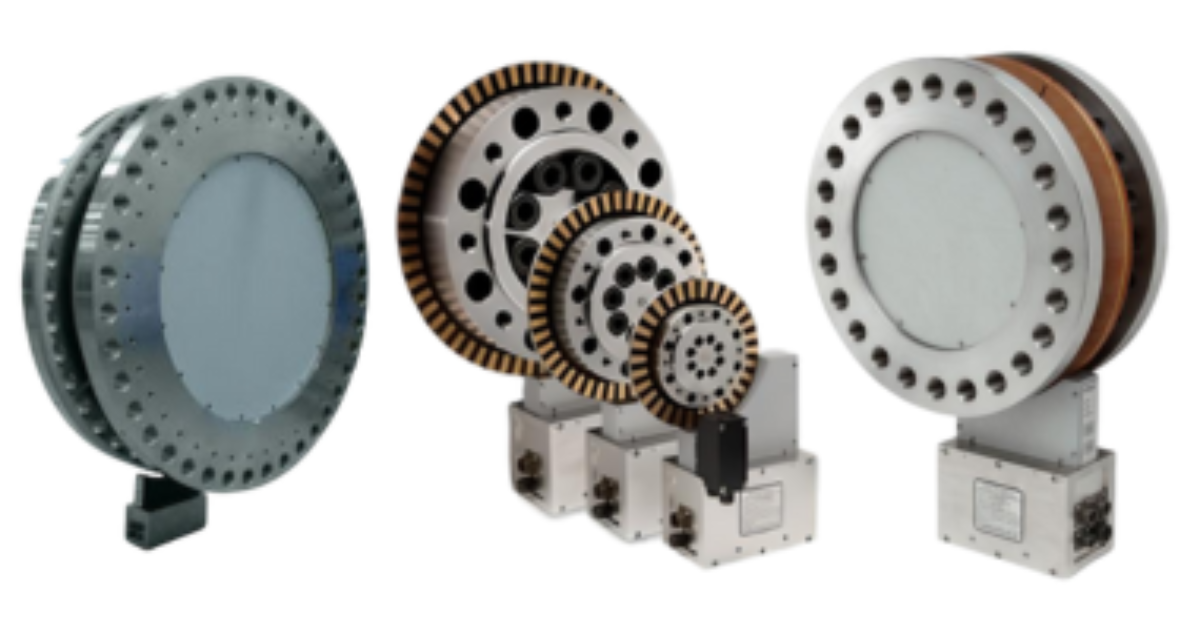
Standard and Metric Bearingless Torque Sensors
S. Himmelstein and Company
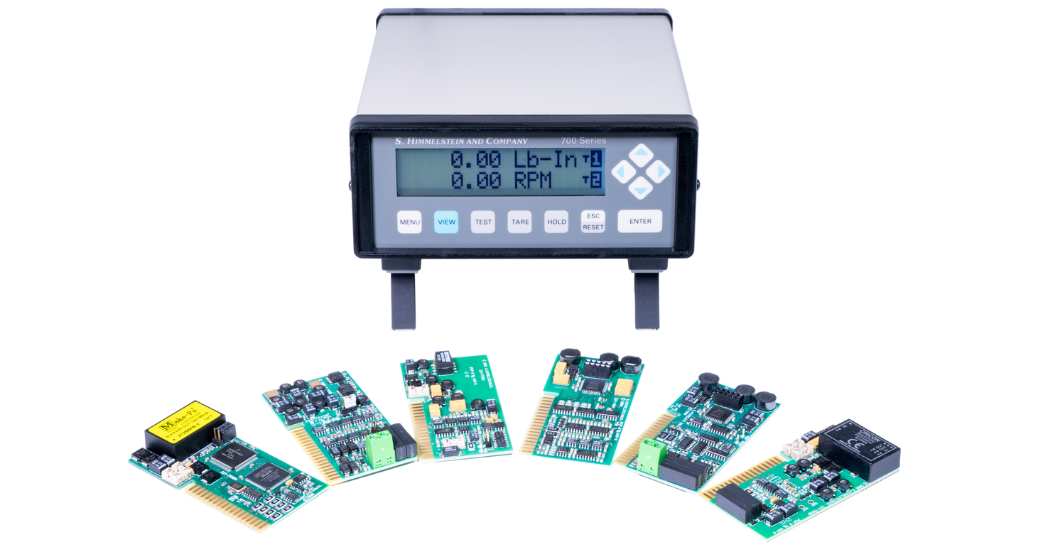
Sensor Signal Conditioners- 700 Series Precision Instruments
S. Himmelstein and Company
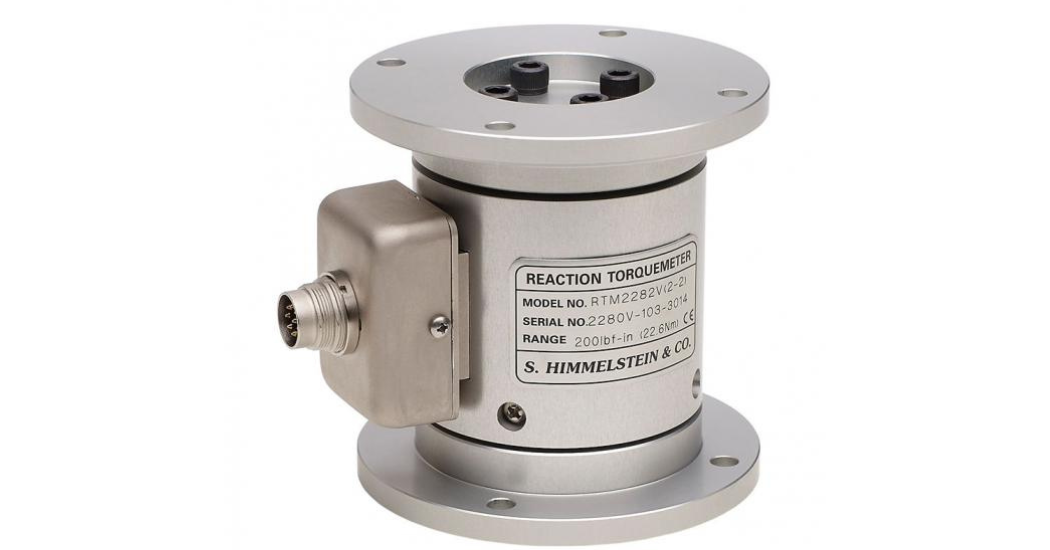
High Precision Reaction Torquemeters- RTM 2280V
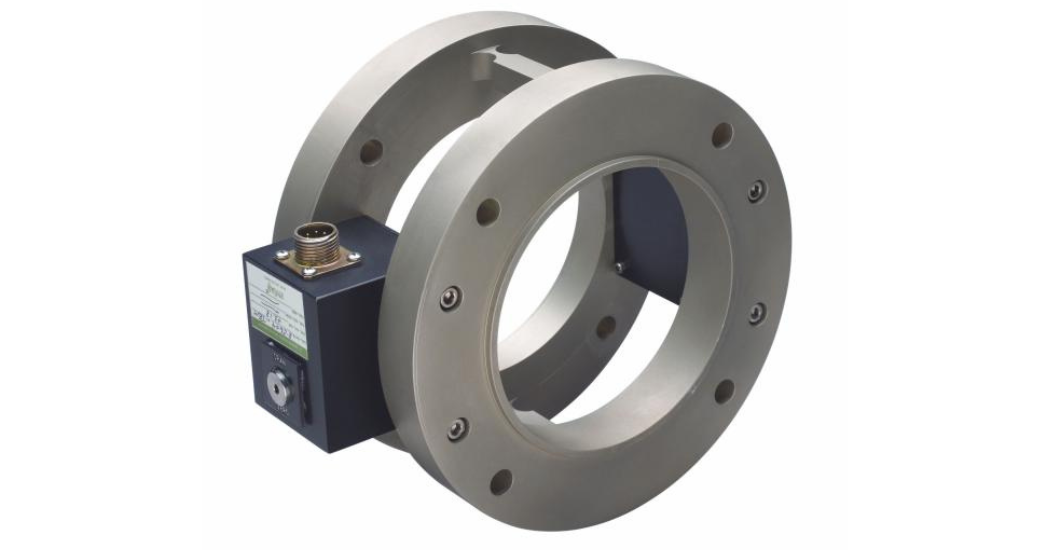
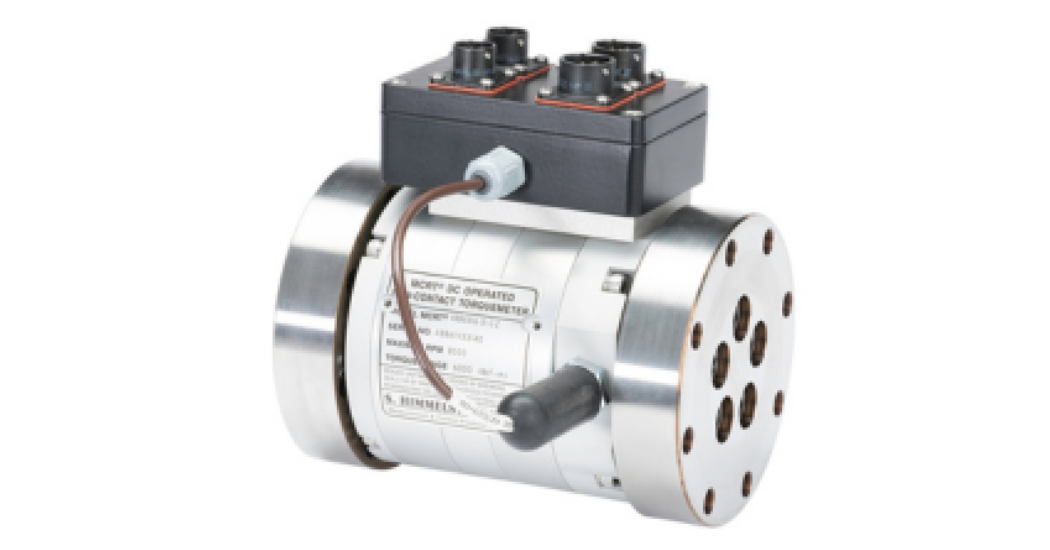
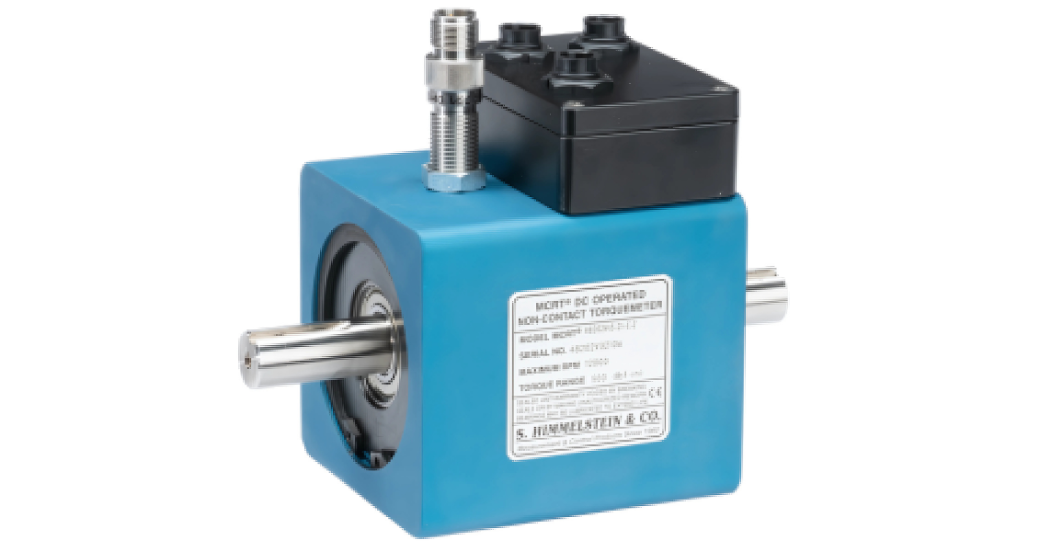
S. Himmelstein and Company
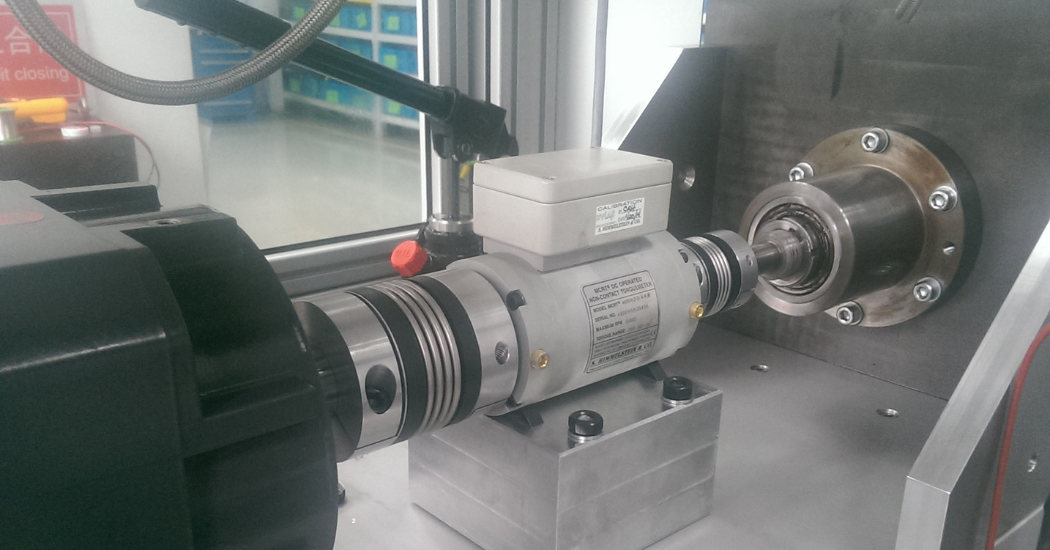
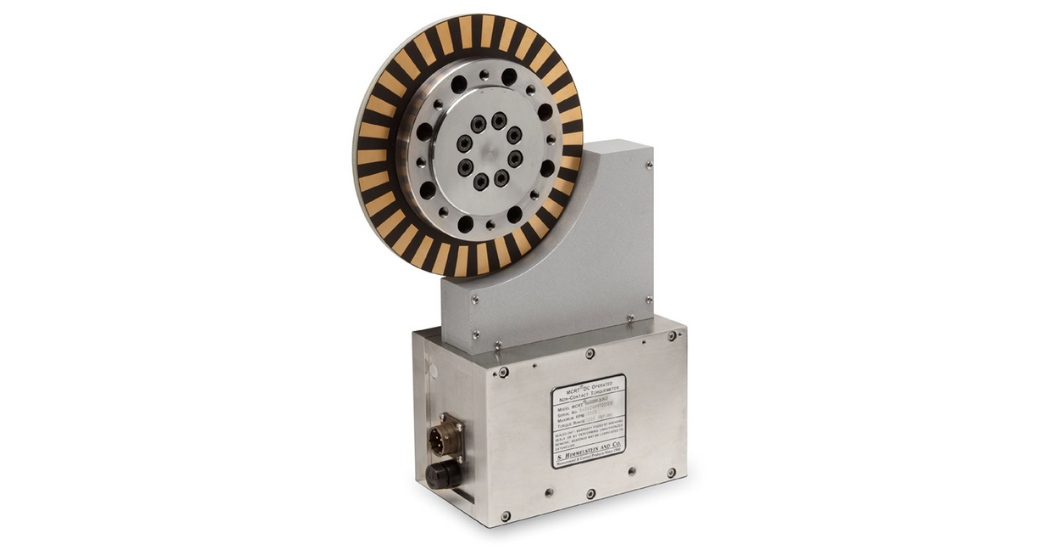
Non-Contact, DC Operated Compact Digital Torquemeters-48200V
White Papers
- How Himmelstein Torque Sensors Save Your Machinery [Infographic]Register to download
Learn how Himmelstein torque sensors help protect critical machinery by providing real-time performance monitoring, early detection of machine degradation, high-frequency noise filtering, automatic shutdown during unsafe conditions, and accurate peak and average torque measurements. This infographic highlights the key benefits of torque sensing for improving equipment reliability, safety, and operational efficiency.
- Reducing Downtime Through Better MeasurementRegister to download
Every manufacturing operation depends on reliable equipment to maintain production schedules, product quality, and operational efficiency. Whether producing automotive components, industrial machinery, aerospace systems, pumps, packaging equipment, or consumer goods, keeping equipment operating consistently is essential for meeting production goals and controlling operating costs. Download S. Himmelstein’s whitepaper to learn how better measurement can help reduce downtime, improve reliability, and support more efficient manufacturing operations.
- Enhancing Torque Measurement with the Himmelstein 700+ Series Signal ConditionersRegister to download
Achieving high-fidelity torque measurement is essential across industries—from R&D to industrial testing environments. While torque transducers capture raw mechanical data, the integrity and usability of that data depend heavily on precise signal conditioning. The Model 700+ Series by delivers exceptional signal processing, filtering, data handling, and real-time control capabilities to optimize the performance of torque transducers.
- Torque Measurement Precision: Why the Overload vs. Overrange Distinction Matters for Quality ControlRegister to download
Why properly understanding and differentiating between overload and overrange helps to maintain the accuracy and longevity of the torque meter. Two easily overlooked, yet extremely critical, parameters when evaluating and specifying torque transducers are mechanical overload rating and electrical overrange. Each is important but often confused and misunderstood.
- Torque Sensors For Any ApplicationRegister to download
This guide from S. Himmelstein & Company details their torque sensor solutions, designed to meet the demands of any industry. Learn about: Ultra-Precise Spline Drive per AND C-Face Hollow Flanged Compact Digital Bearingless Digital
- Five Reasons To Choose A Bearingless Torque SensorRegister to download
Benefits that improve your torque measurements Best real-world accuracy Highest Overload Highest Overrange
- Downthrust Measurement in Vertical Pumps Prevents Failure: The Benefits of Measuring Axial Force in Real-TimeRegister to download
“Himmelstein’s Thrustmeter has proven to be accurate and repeatable, which are two of the main things that define quality in an instrument. It’s been a reliable instrument to help us differentiate and diagnose areas of failure for our customers” – Thomas Papadakos, Test Lab Manager, Hydro, Inc. “Our focus primarily is to make sure that we develop products and offer features in our products that give them technical advantage over the competition. So, they either have better accuracy, better performance, better characteristics than what our competitors offer.” – Steven E. Tveter, Vice President, S. Himmelstein and Company Download this whitepaper to learn more about Thrustmeters and read a case study about Hydro, Inc.
- Tips for the Installation of MCRT® TorquemetersRegister to download
An MCRT® torquemeter must be installed properly as an integral part of a drive line network in order to achieve satisfactory operation. Proper installation will: a) transmit the desired torque load, b) compensate for misalignments in drive line components, and c) not introduce undesirable loading into the torquemeter shaft. Optimum installation must therefore address several key areas: shaft misalignments, coupling types, and torquemeter mountings. This article discusses each of these areas, plus some additional considerations and diagrams of correct and incorrect installations. Shaft Misalignments Drive line component mechanical tolerances will always cause misalignments between the ends of coupled shafts. The misalignment(s) that occur include parallel, angular, and end float. They can and will exist in any combination. Figure 1 illustrates each form of misalignment. Flexible shaft couplings are used to accommodate these misalignments and to transmit the desired torque. The coupling manufacturer will state both the coupling’s torque capacity and misalignment capabilities.
- How Strain Gage Torque Sensors WorkRegister to download
During almost 80 years of service, strain gages have proven to be remarkably accurate and reliable mechanical load sensors. They now dominate weighing including static, dynamic, precision and legal for sale applications. They are also used in the vast majority of precision torque sensors. All Himmelstein torque sensors are strain gage based. The simplest torque sensor is depicted in figure 1 below. When torqued, the element is stressed in shear – on a plane through the shaft, perpendicular to the shaft axis. The shear stress creates equal magnitude tensile and compressive stresses at 45 degrees to the shaft axis. Strain gages are installed at 45 degrees to the shaft axis and sense those tensile and compressive stresses.
- The Cost Of Downtime In Manufacturing [Infographic]Register to download
Downtime can be the most expensive element of any manufacturing operation. Here are some important facts and tips you should know to cut down on disruptions in your operation.
- Overload/Overrange What’s the Difference?Register to download
Two easily overlooked, yet extremely critical parameters when evaluating and specifying torque transducers are – Mechanical Overload Rating and Electrical Overrange. Each is important, but often confused and misunderstood. Overload – represents a mechanical safety factor for the sensor element. Normally expressed as a percentage of the sensor full scale rating, it is the maximum load limit of the sensor before yield or physical deformation.
Ask S. Himmelstein and Company
Questions about a product, a quote or a spec? Send your request and we pass it to the right contact at S. Himmelstein and Company.
Loading the request form