White paperRing Damped Valve Saves Thousands in Energy Costs for Gas Gathering Facility
White papersUnique features in the Ring Damped Valve design allowed a gas gathering facility in North Dakota to run their Dresser Rand RDS-4 reciprocating compressor at higher lifts than traditional plate valves, resulting in maximum flow area. Increased flow area significantly reduces the horsepower required to move gas, thereby increasing energy efficiency. This case study shows how this gas facility’s energy consumption decreased by $2,200 per year for each Ring Damped Valve installed; providing a remarkable ROI and environmental benefits from reduced energy usage.
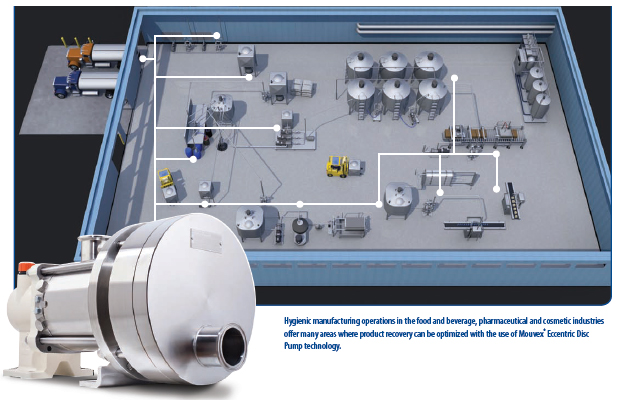
White papersIt is a topic that can critically affect the profitability of food and- beverage, pharmaceutical and cosmetic manufacturers, from the most basic production-line level on through entire plant efficiencies…even overall corporate performance. As belts are tightened, the operators of these manufacturing facilities have been forced to implement new ways to meet established production quotas while spending less money. For many, the low-hanging fruit in this area has been an increased focus on making their operations more energy-efficient, or “green,” to use the increasingly popular vernacular. This has meant the incorporation of such things as more efficient light bulbs or a streamlining of operations that reduces the plant’s consumption of electricity, leading to a decrease in its carbon footprint. The ultimate goal in these lean manufacturing operations is to realize current or higher product yields while using fewer resources with the ultimate outcome being a healthier bottom line. Thanks to innovative fluid-transfer methods, it is possible to accomplish far greater savings than those realized in energy alone in the food and beverage, pharmaceutical and cosmetic/personal-care industries.
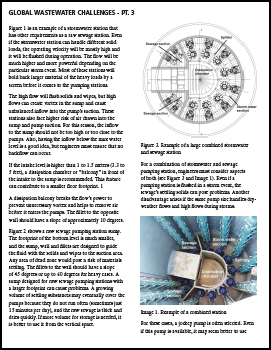
White papersIn Part 3 of KSB’s article “Global Wastewater Challenges Place Pressure on Aging Infrastructure”, Horst Sturm shares a great amount of detail about wastewater pump stations and the design aspects that must be considered when addressing current wastewater challenges, such as change in sewage composition and clogging, etc. This article discusses the following aspects: Type of Station Pump Sump & Intake Design Sump Volume Inflow to the Sump Piping Diameter of the vertical discharge pipe Flow velocity Operating concepts
White paperMEPS Guide: Global Minimum Energy Performance Standards for Low Voltage Motors
White papersUnderstanding the MEPS The increasing demand for electrical energy to sustain global development requires consistent heavy investments in power supply generation. However, in addition to complex medium and long term planning, these investments rely on natural resources, which are becoming depleted due to constant pressures upon the environment. The best strategy, therefore, to maintain energy supply in the short term is to avoid wastage and increase energy efficiency. Electric motors play a major role in this strategy; since around 40% of global energy demand is estimated to be related to electric motor applications. As a consequence of this need to reduce energy consumption and carbon dioxide emissions, many Governments worldwide have established local Regulations, also known as MEPS (Minimum Energy Performance Standards) to numerous types of equipment, including electric motors. Whilst the specific requirements of these MEPS differ slightly between Countries, the implementation of IEC standards 60034-2-1:2014 (methods for determining losses and efficiencies) and 60034-30-1:2014 (definition of efficiency classes), means that the definition, measurement and publication of the efficiency data is consistent amongst motor manufacturers and therefore easier for the correct motors to be selected. WEG fully understands the requirements of these Global regulations, and offers today one of the most comprehensive ranges of electric motors complying with these minimum efficiency levels. Furthermore, as a forward thinking Company whose philosophy is to provide its Customers with products which offer optimum performance, energy savings, fast return on investment and sustainability, WEG continues to focus its efforts in the research and development of electric motors with efficiency levels exceeding those defined in currently published International standards. This Guide provides an overview of Global Mandatory Efficiency Regulations.
White paperGuide to Explosive Atmospheres
White papersWhen it comes to hazardous areas, you want to be SAFE! This easy-to-read Guide to Explosive Atmospheres provides detailed info about: Area classification Protection concepts Atmosphere groups Temperature classes Protection concepts ATEX Marking IECEx Marking North American Marking Equipment Protection Level (EPL)
White paper6 Key Factors to Consider When Selecting a Severe Service Valve
White papersSevere Service Valves can be defined as industrial valves specifically designed to perform without fail in the most extreme conditions. These conditions often include a mix of differential pressure scenarios, corrosive materials, solids in solution or suspension, frequent or infrequent cycling, and extreme temperatures. If you are thinking of purchasing a Severe Service Valve (SSV) over a General Purpose Valve (GPV), Download this infographic to review the 6 key factors to consider when selecting an Severe Service Valve.
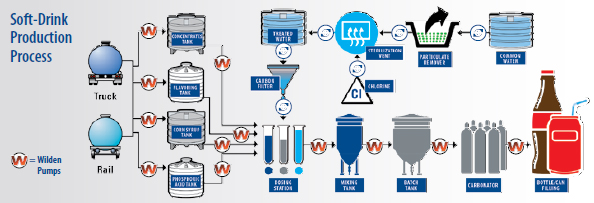
White papersFrom the time raw materials – concentrates, corn syrup, flavorings, phosphoric acid, etc. – arrive at the soft-drink manufacturing and bottling plant to the point where finished products are put in bottles and cans, there are a large number of liquid-transfer operations that must be completed successfully. Manufacturers of carbonated soft drinks, fruit juices, teas and energy drinks are discovering that the most reliable, safe and energy-efficient technology for these operations are air-operated double-diaphragm (AODD) pumps. In order to ensure that soft drinks, juices, teas and energy drinks have the look, mouth feel and, most importantly, taste that consumers have grown to know and love, a series of critical manufacturing operations must be performed to exacting standards. Along the way, there are many important liquid-transfer points that require the use of the proper pumping technology. This case study discusses the various operational benefits of using Wilden® Saniflo Hygienic Series (HS) and FDA AODD Pumps for soft-drink production.
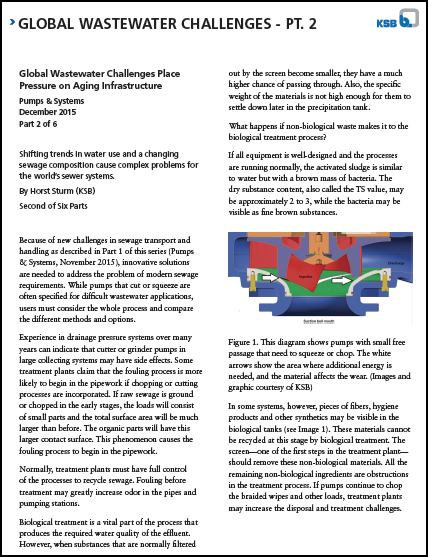
White papersWhile chopper or cutter pumps are often specified for difficult wastewater applications, it is important for end users to consider the whole treatment process and understand the potential side effects of using these technologies to handle modern wastewater, which is heavily laden with “flushable” wipes and other fibrous hygienic materials. It is especially critical for hospitals and prisons to use macerators, as this is a big help to waste water systems operating across the country. One question that needs to be asked is “Are there side effects to using chopper and cutter pumps?” What aspects of these types of pumps should be considered? What kind of wear and tear happens to chopper and cutter pumps as they operate in modern waste water? What are some areas of concern regarding the treatment plants’ system and processes? What is the real efficiency of these types of pumps? While efficiency is important, the reliability of the equipment is even more vital. Do we already have the best solution for new challenges in waste water transport? Answers to these questions can be found in this technical article from KSB.
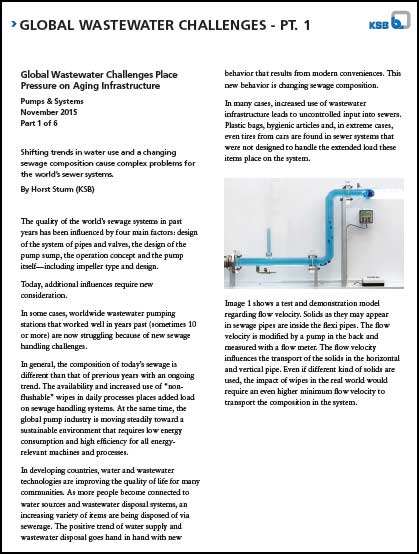
White papersShifting trends in water use and a changing sewage composition cause complex problems for the world’s wastewater systems. In Part 1 of this series, Horst Sturm (KSB), discusses the changes in sewage composition, water consumption, and infrastructure issues. Sturm also shows some test and demonstration models regarding flow velocity, solids, and other wastewater transport system concepts.
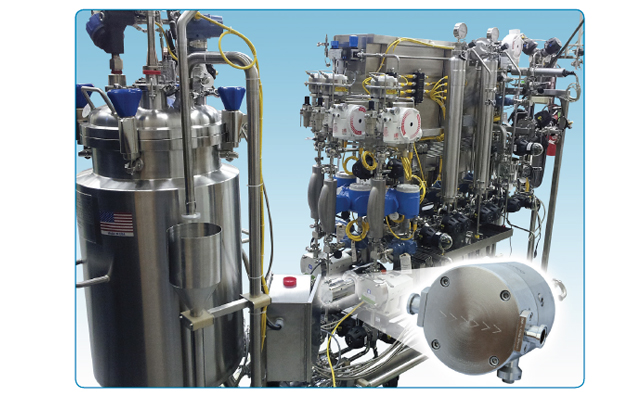
White papersCotter Brothers designs and builds some of the most sophisticated biopharm process skid systems in the world. This skid featuresa Quattroflow quaternary diaphragm pump, among other pumps, for a critical application in this process. Finding the best, most efficient and cost-effective way to do things is imperative in the biopharm manufacturing industry. The biopharm industry has grown into a multibillion dollar global behemoth, with biologically derived drugs (or biologics) playing an increasingly major role in the development of blockbuster drugs that can provide treatment or cures for any number of diseases and illnesses. These products must be produced in pristine hygienic and sanitary conditions, and in a way that allows them to make their way to the consumer marketplace as quickly as possible so that the value of patent windows can be optimized. This is the story of how one family-owned and operated company found the answer to challenges inherent in the fabrication of biopharm process skid systems.
White paperNew Compressor Valve Installation Tool Improves Safety, Boosts Efficiency
White papersThis article from Cook Compression, which was originally printed in the April 2015 issue of COMPRESSOR tech magazine, discusses Cook’s proprietary Valve Installation Tool (V.I.T.), which allows a single operator to securely hold, move, and align valves when installing or removing them from a compressor cylinder. This article reviews the procedures for bottom-loaded and top-loaded valve installation using Cook’s Valve Installation Tool to maneuver the valve into and out of the seat area, keeping workers’ hands safely away from tight clearances in the valve port. Typical valve installation or removal procedure can be completed in less than 10 minutes using this tool, which consists of a tool body, threaded coupler, jam nut and guide bar.
White papersAuthored by Dr. James Freihaut, Professor of Architectural Engineering at Penn State University, and Lisa Tryson, Director of Corporate Communications at Danfoss, this 18-page report discusses in great depth high-performance buildings and the path to a sustainable building-energy equation. The report traces the path of high-performance buildings in the pursuit of sustainability and explores the potential impact of building transformation on energy productivity and the economy.