White paperHy-Grade Check Valves: A Low Cost Asset for Coal Seam Gas
White papersAustralian Coal Seam Gas – LNG operations use typical duo check valves to prevent backflow into their wellhead and separator arrangements at the first stage of dewatering; however, Failure of conventional duo check valves in this application have a detrimental effect on the process both upstream and downstream. In addition, the cost to maintain these valves in such remote locations is high. CGIS has been successful in providing a Hy-Grade check valve into the first stage of separation for an Australian CSG-LNG operation, that gives repetitive zero-leakage shut off while significantly outlasting the previously installed duo check valve. Download this whitepaper to learn more about: the Coal Gas Seam extraction process; the problems with duo wafer check valves; Hy-Grade check valves that significantly reduce well asset costs.
White papersLearn about the major differences between gravity sewer systems and pressure sewer systems. This whitepaper discusses how municipalities can reduce costs, install a pressure sewer system in challenging terrain, and protect the environment.
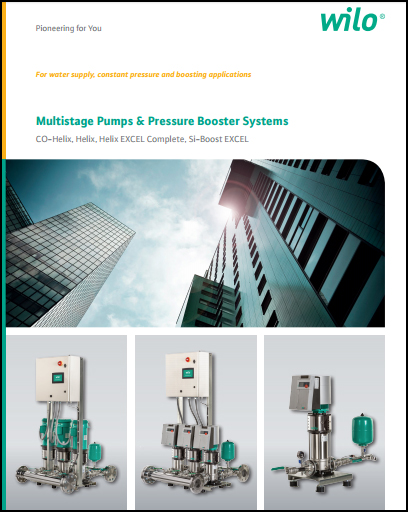
White papersLearn about Multistage Pumps & Pressure Booster Systems from Wilo USA that provide solutions for water supply, constant pressure and boosting applications.
White papersWhile the problem of “non-woven products” clogging wastewater systems is likely to continue, there are several different groups trying to combat the “disposable” wipe problem. Who are they and what are they doing to Conquer the Clog?
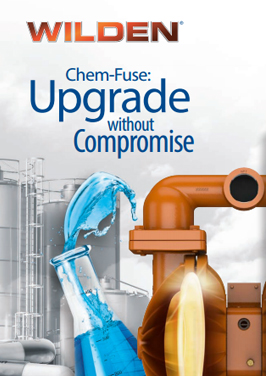
White papersIntroducing Wilden® Chem-Fuse diaphragms now available for industrial markets. These integral piston diaphragms (IPDs) solve many of the critical issues faced by industrial companies that use conventional diaphragms while incorporating the core patented technology of Wilden Pure-Fuse diaphragms. Benefits include: • Elimination of a potential leak point at the outer piston when pumping critical or dangerous fluids • Elimination of outer piston abrasion for longer diaphragm life, especially when pumping abrasive fluids • Easy cleanability for faster changeovers between product Previous IPDs solve many of the issues faced in the market, but in order to solve these issues the diaphragm’s performance is sacrificed. Chem-Fuse diaphragms provide all the benefits of a typical IPD without sacrificing performance.
White papersAmong DESMI’s innovative approaches is ‘Pumps-for-free’: a cash flow-neutral investment concept for energy-saving solutions. It’s a unique financing package, enabling ship-owners to energy-optimize their vessels while repaying the investment through savings, typically in 14 to 18 months. The financing schedule is linked to the ROI/payback period, with quarterly payments. DESMI offers a wide range of energy-saving products under the Pump-for-free concept, including: Replacement of older low-efficiency pumps with DESMI’s highly energy-efficient pumps • Retrofitting of Energy Savings Systems, also known as OptiSaveTM for Sea Water Cooling pumps • Retrofitting of Energy Savings Systems for fresh water cooling pumps • Retrofitting of Energy Savings Systems for engine room fans • Customized solutions
White paperValves for Cryogenic Applications in Liquefaction Plants
White papersSelecting valves for cryogenic applications in liquefaction plants can be quite tricky. Application expertise, along with a high quality valve, is needed in order for the valve to operate effectively and efficiently in these demanding facilities. This article presents the latest in valve innovations for liquefaction plants. The valves used in liquefaction encounter natural gas made up of a mixture of several components. The typical range of these components is: Nitrogen: 0 – 1% Methane: 80 – 99% Ethane: 1 – 17% Propane: 0 – 1.5% Butanes: 0 – 1.2% Pentanes+: <1% Once liquefied, the gas is then properly treated and stored at atmospheric pressure of approximately -161°C and a density of 424.1 kg/m3 in a volume approximately 625 times smaller than when it was gaseous. Within the liquefaction plant are isolation, check and control valve applications in a range of temperatures and pressures from ambient to -161°C and ASME class 150 through 900 (20 barG to 150 barG). These conditions and the specific nature of low temperature cryogenic fluids demand specific valve performance for plant reliability, protecting equipment and operational safety. Three innovative valve designs that command a significant share of the global LNG market are: Triple offset rotary tight isolation valves Noise control and automation in control valves Single and dual flapper non-return (check) valves
White papersGRAFILIT® IQ is an engineered graphite-based composite gasket material endowed with mechanical reinforcement and anti-stick property, making it suitable for high temperature applications. This heavy-duty material has improved surface load resistance (in particular for cycling operations) and blowout resistance.
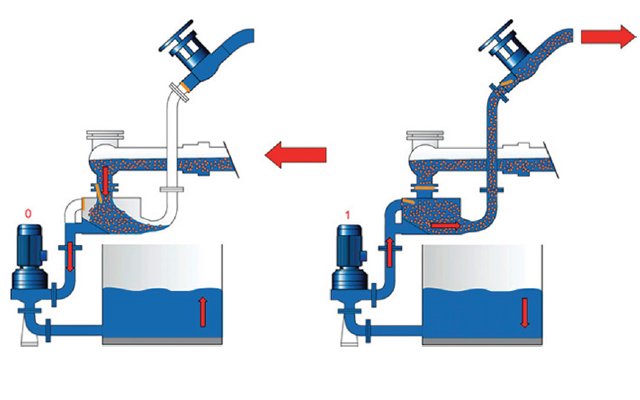
White papersWhile the composition of wastewater differs from one treatment plant to another, overall, wastewater in the U.S. has become heavier and more difficult to process. There are several options for engineers, operations and maintenance managers to minimize the risk of breakdowns resulting from new challenges in wastewater transport, but each requires a deeper look at the specific system. This whitepaper discuss one approach for pressure drainage systems that is not as well-known in the U.S. wastewater market. Pressure drainage systems, which are often used for residential development areas, typically employ grinder pumps or pumps with vortex impellers. Both kinds of pumps have limits, especially when it comes to very high heads and low flow. With high heads and low flow, it makes sense to use a solid-separation system. This innovative technology temporarily prevents solids and other sewage content from reaching the pump while allowing the pump to handle the complete content afterward (see Images 1 and 2 below). This process enables the hydraulic to use smaller free passages without clogging, leading to higher efficiency and a less limited head. Pictured above is a solid-separation system in the filling mode while the pump is not running. The system in the pump mode pushes the complete wastewater out in the image on the right (Images courtesy of KSB).
White paperDefining Severe Service Valves
White papersMost experts agree that Severe Service Valves are identified by applications, and that these applications are challenging to the valve’s ability to provide a minimum acceptable level of performance over a minimum acceptable duration. However, at this time, no clear or universal industry definition or mechanism exists to describe and accurately define severe service valves (SSVs) from general purpose valves – yet such a definition would allow owners and end users to benefit from improved process performance, increased profitability, safety and environmental protection. This high level paper, authored by Ross Waters, President of CG Industrial Specialties Ltd (CGIS), Canada, and MSS Severe Service Valve Task Force Leader, looks to offer an objective definition to improve communication between users, specifiers, and suppliers.
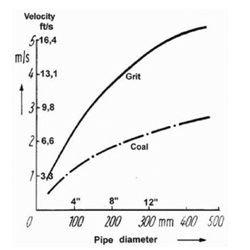
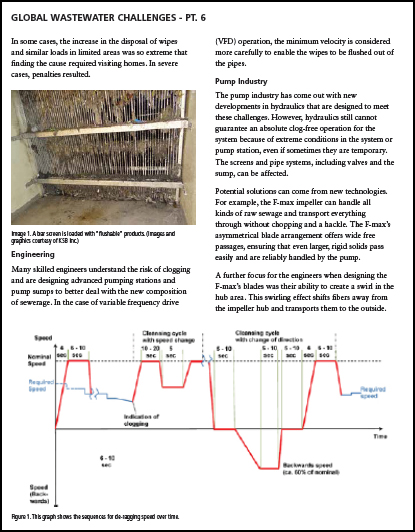
White papersVariable Frequency Drives (VFDs) are often used in wastewater stations that transport sewage. They are used to control the flow of sewage through the pumps and help wastewater treatment plants achieve the required flow. Like any piece of equipment, it must work with the whole system to be truly effective. This article, from Horst Sturm of KSB, discusses important considerations for VFDs in wastewater applications. Some of what is discussed in this document includes: Check velocities – compare the velocity of the minimum required flow with the recommended minimum velocity to get a good indication of whether or not the system is working properly. Implement a short ramp for the start of the pumps and perform some smart programming, which makes it possible to flush the system during operation and helps to minimize risk. De-ragging – some VFD manufacturers have designed the VFD converter with a “de-ragging” function, which is a feature that changes pump speed and/or operates the pump “backwards”. This de-ragging feature works to help pumps avoid getting clogged by fibrous rags. This can be a very helpful function, but has some limits. Download the document for the full details.
White paperThe Top Frustrations of RCA Facilitators & How It Prevents Them from Being Effective
White papersIf you’ve ever led a Root Cause Analysis (RCA) Team, you will likely relate to the responses and discussions included in this study, which was conducted and compiled by Robert J. Latino, CEO, Reliability Center, Inc. Effective RCA analysts have a tough job with many barriers to overcome. For those ‘driven’ analysts who rise to the challenge and find a way to go over or through these barriers, we hope this study helps you overcome your RCA obstacles and demonstrate measureable bottom-line results that will help ensure the safety of your friends with whom you work and improve operational reliability. In this study, we first provided the responses, a summary of the hurdle and then a discussion about how to overcome the hurdle. We broke the responses down into the following categories: Leadership Related Measure of Effectiveness Related RCA Methodology Related Recommendation Implementation Related Skill Set Related Team Logistics/Dynamics Related Several additional references were provided along the way to put the microscope on some of the hurdles, which often occur more frequently and/or have a greater overall impact.