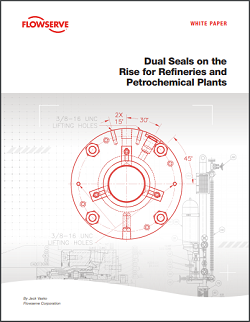
White papersFor years, single seals were the go-to option for North American refineries and petrochemical companies, but now the industry preference is shifting toward dual seals. Learn about the trends driving dual pressurized seal adoption and how they are helping refineries and petrochemical plants lower emissions, increase safety, improve reliability and reduce costs. This white paper is sponsored by Flowserve.
White paperIdentifying Operational Risks in Water Distribution Systems
White papersA multitude of operational challenges exist in today’s water infrastructure. To mitigate these challenges while at the same time expanding infrastructure to accommodate new customers, utilities must invest ample time and resources in new solutions. While water utilities continue to seek funding to upgrade, repair and build systems for the future, research and development has moved forward and led to the creation of new technological solutions. This paper examines the problems that impact all potable water distribution systems and outline the steps necessary to implement solutions.
White paperSentryPlus Alert™ System from Watts Water Technologies
White papersControl the Power of Water. Connected technology and internet-enabled products are not the future. They’re here. SentryPlus Alert Technology by Watts uses these innovations to detect and protect against excessive Reduced Pressure Zone (RPZ) discharge. Download this document to learn more about your options to Detect excessive backflow relief valve discharge, get Notified with wireless multi-channel alerts, and Protect with automatic shutoff.
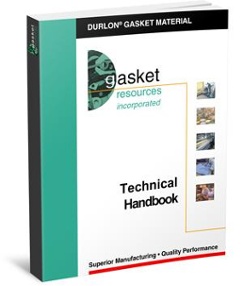
White papersChoosing the right gasket material is vital to any project’s success, so take the guesswork out of material identification. The Gasket Resources technical handbook includes information on: Materials Gasket Installation Chemical Resistance Chart Useful Conversion Factors

White papersIn an ever increasing cost cutting environment, coupled with an increasing global energy demand, securing robust and effective asset maintenance systems, has never been so crucial. Our Asset Management team delivers services to improve maintenance processes and increase asset efficiency, providing the systems and data needed to reduce maintenance costs and keep your people and equipment safe. Whether it’s a new build, where the behavior of new technology has yet to be seen, or established operations with the challenges of extending the life cycle of aging assets, we can provide you with the data and processes needed to maintain optimal production and industry compliance. Service Benefits: Design and selection of integrated Asset Management Systems that fit your needs and budget Construction, development and application of systems and processes that deliver increased asset availability Improved safety and compliance by integrating assurance programs and regulatory requirements Operation expertise to ensure efficiency and compliance Life Extension strategies to optimize reliability across the lifetime of your assets
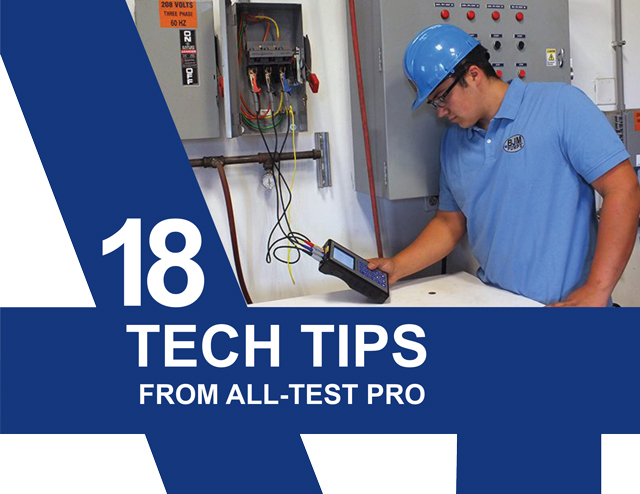
White papersDownload this 20-page eBook to learn how to properly store your motors, monitor them with condition monitoring instruments, and troubleshoot when issues arise.
White papersDownload this eBook which contains valuable information about pump lubrication basics, lubrication storage and transfer practices, ways to extend bearing life, lubrication management, and more. This information has been compiled from our contributors, Heinz P. Bloch, P.E., and Terry Harris. About the Authors: Heinz P. Bloch, P.E., holds BSME and MSME degrees from the New Jersey Institute of Technology. He has written or co-authored over 700 articles and conference papers, including 20 full-length texts (45 Editions, some in foreign languages). He is an ASME Life Fellow and was awarded a life-time Professional Engineer’s License in New Jersey. He looks back on 57 years of experience, including a long technical career with the Exxon Corporation. He now resides in Houston/TX, but continues to advise process plants worldwide on reliability improvement and maintenance cost avoidance issues. Terry Harris is a Certified Maintenance & Reliability Professional, certified through The Society of Maintenance & Reliability Professionals. Mr. Harris worked in the manufacturing/process industry for 26 years. Most of his time was devoted to maintenance area efforts with most of his career being devoted to improving the reliability of his plant and other US and European locations. Mr. Harris has performed training in the US, and 12 other countries. Mr. Harris also owns Reliable Process Solutions in which he performs training in the areas of Predictive technologies and Proactive Maintenance techniques. Mr. Harris has developed many Proactive maintenance programs to bring maintenance operations to a more efficient and profitable stage. Many of the training programs teach companies how to make equipment last longer. These methods have been proven to extend equipment life by 3-8 times.
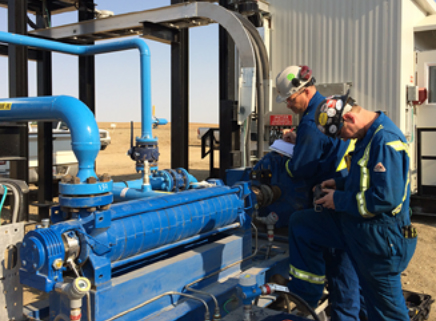
White papersRing section pumps, which are a type of multistage centrifugal pump, have multiple stages arranged in tandem inside their casings. As the liquid passes through each stage, the pressure of the liquid increases. This is especially useful for many types of applications, which are discussed within this document.
White paperChocking Methods Matrix
White papersDownload this Chocking Methods Matrix to learn more about liners / shims, mechanical chocks, epoxy resins, grouts and more.
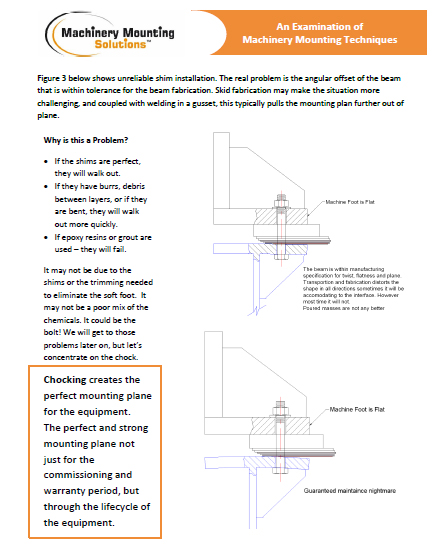
White papersHow are liners, shims, poured compounds, and mechanical chocks used to mount pumps, motors, and other equipment to their foundations and baseplates? How do you create the “perfect” plane for mounting machinery? What are some of the issues that occur in the field during machinery installation? Download this whitepaper to learn more about different mechanical mounting methods, the reality of the “perfect” plane for drivers and driven equipment, mechanical device chocking, and modern mechanical chocking solutions.
White paperAsk Yourself these Questions when Evaluating a Velocity Sensor
White papersDownload this Questionnaire to help you organize your application details prior to purchasing a velocity sensor. It is critical to consider several attributes, such as sensor mounting, the operating environment, operational dynamics, electrical connections, and even details concerning faults with previous sensors used in your application.
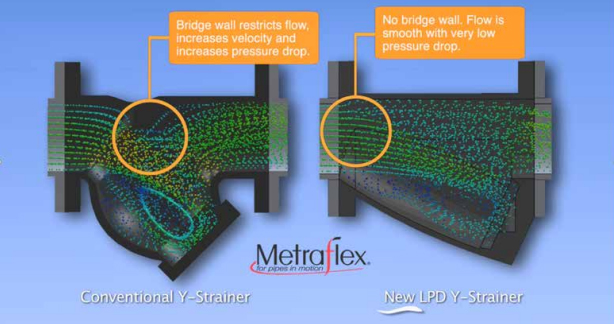
White papersConsidering the y-strainer as a critical, energy-saving piping system component Pumps, chillers, boilers and heat exchangers are the high-profile piping system components targeted to improve energy efficiency. More obvious in their energy consumption, these units are constantly being re-engineered, tested, measured and introduced to the market with improvements that measurably improve energy savings. Other low-cost components in the system are routinely plugged into a design, accepted for their role in creating pressure drops and turbulence since there are no alternatives. One of these components is the strainer. Today’s traditional strainer design was actually introduced over 100 years ago. The strainer was created to protect expensive equipment, such as pumps, chillers, boilers and heat exchangers by removing debris from fluid before it reached these components. But, a century ago energy consumption was not a consideration and energy efficiency was an unknown concept. It is now better understood how strainers add pressure top due to their antiquated design and a screen that accumulates debris and increasing pressure loss. This pressure loss translates into pumps increasing energy consumption. It’s time to consider the strainer’s energy consumption. Download this technical whitepaper to learn how the new LPD y-strainer has been redesigned ‘from the ground up’ to provide superior pressure drop.