
Learn
White Papers
Technical papers and guides from the companies that publish here, free to download.
Technical papers and guides from the companies that publish here, free to download.


554 white papers
Predictive analytics can help companies identify equipment problems before they happen, keeping productivity high and maintenance costs low.
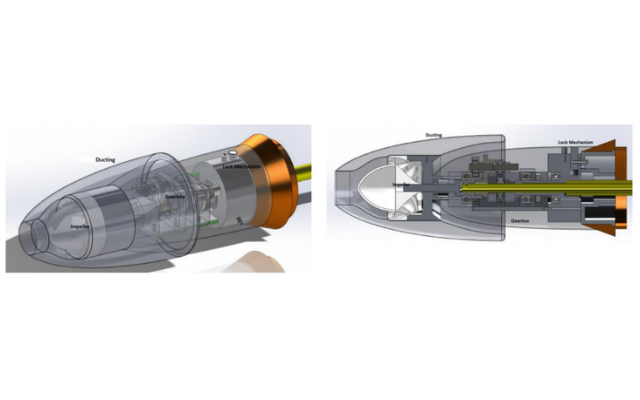
Background The International Submarine Races (ISR) is a competition in which teams race “wet” submarines. A “wet” submarine is an internally flooded, fully enclosed, vehicle in which the pilot(s) must breathe from a SCUBA apparatus [1]. The racecourse is a 100 yard straight sprint. The submarines compete in four categories: 1 and 2 person propeller, and 1 and 2 person non-propeller. A propeller system is defined as a water-coupled device with radiating blades that create thrust when spinning. A non-propeller system is defined as any other water-coupled device that creates a thrust when operated. A bottom crawling vehicle is not a water-coupled device [1]. The University of Michigan Human Powered Submarine Team (HPS) traditionally builds single person propeller driven submarines [1]. The Problem HPS wants us to develop and create a non-propeller propulsion module that can take the place of the current propeller module in order to compete at the International Submarine Races in the -non-propeller category. The new, non-propeller propulsion system must be able to be easily switched with the current propulsion system without affecting the rest of the submarine. Benchmarks Submarines predominantly use propellers, even the standard screw propeller can produce high efficiency on the order of 80 percent. [2] However, jet propulsion is also used where water is drawn in and thrust out near the stern. This leads to no moving parts outside the main hull, so jet propulsion tends to be used in shallow water applications. Since an impeller is used to pump the water, the overall efficiency is less than that of a propeller system because of friction loss from the inner wall ducts. [3] Propellers and jet propulsion are the two main systems in use by submarines today. Magnetohydrodynamic (MHD) systems are being researched but are not in commercial use. One of the main problems is the relative efficiency compared to other forms of propulsion. The efficiency of a MHD system is proportional to the magnetic flux intensity, so very powerful magnets are needed. [4] To find other comparable models to what we are trying to achieve, other submarines in the human powered submarine competition and other underwater systems need to also be studied. Figure 7a (Left) : CAD model of Impeller Module; Figure 7b (Right): Cutaway view of Impeller Module Background The International Submarine Races (ISR) is a competition in which teams race “wet” submarines. A “wet” submarine is an internally flooded, fully enclosed, vehicle in which the pilot(s) must breathe from a SCUBA apparatus [1]. The racecourse is a 100 yard straight sprint. The submarines compete in four categories: 1 and 2 person propeller, and 1 and 2 person non-propeller. A propeller system is defined as a water-coupled device with radiating blades that create thrust when spinning. A non-propeller system is defined as any other water-coupled device that creates a thrust when operated. A bottom crawling vehicle is not a water-coupled device [1]. The University of Michigan Human Powered Submarine Team (HPS) traditionally builds single person propeller driven submarines [1]. The Problem HPS wants us to develop and create a non-propeller propulsion module that can take the place of the current propeller module in order to compete at the International Submarine Races in the -non-propeller category. The new, non-propeller propulsion system must be able to be easily switched with the current propulsion system without affecting the rest of the submarine. Benchmarks Submarines predominantly use propellers, even the standard screw propeller can produce high efficiency on the order of 80 percent. [2] However, jet propulsion is also used where water is drawn in and thrust out near the stern. This leads to no moving parts outside the main hull, so jet propulsion tends to be used in shallow water applications. Since an impeller is used to pump the water, the overall efficiency is less than that of a propeller system because of friction loss from the inner wall ducts. [3] Propellers and jet propulsion are the two main systems in use by submarines today. Magnetohydrodynamic (MHD) systems are being researched but are not in commercial use. One of the main problems is the relative efficiency compared to other forms of propulsion. The efficiency of a MHD system is proportional to the magnetic flux intensity, so very powerful magnets are needed. [4] To find other comparable models to what we are trying to achieve, other submarines in the human powered submarine competition and other underwater systems need to also be studied.
By Chett Norton, C.E.T. and Sylvia Flegg, Triangle Fluid Controls Visually examine and clean flanges, bolts, nuts and washers and make sure to replace any defective components, if necessary. Lubricate bolt threads, nut threads & facing, and washers. Install new gasket (Do not reuse old gaskets or use multiple gaskets). Number the bolts in a “cross pattern” sequence according to this diagram. Important: hand-tighten then pre-tighten bolts to 20 ft/lb torque but do not exceed 20% of target torque. Check gap uniformity using a gap tool, feely gauge or Vernier calipers. Target torque round #1 – 30% of target torque, Round #2 – 60% of target torque and round #3 – 100% of target torque. It is very important that you check the flange gap around the circumference in several spots between each of these tightening rounds. If the gap is not reasonably uniform, make the appropriate adjustments by selective bolt tightening before proceeding. Rotational round: to reach 100% of the target torque, use a rotational clockwise tightening sequence starting with bolt 1 for one complete round and continue until no further nut rotation occurs at 100% of the target torque value for any nut. Final-round: Re-torque within 4-24 hrs at ambient temperature if possible. Consult TFC technical department for hot-torquing procedures, repeat round 4 followed by a rotational round. A large percentage of short-term preload loss occurs within 24 hours after initial tightening this re-torquing round covers this loss and is especially important for PTFE gaskets. We recommend the use of an installation assembly worksheet with the details of the assembly and installation including the installers signature and date for verification. You can use the TFC worksheet for easy adoption into your bolting installation verification program. Fill out form below for a pdf of TFC worksheet. For other specific applications or general procedures, please contact the TFC applications engineer at [email protected] and you can read more about our Gasket Installation Procedures here.
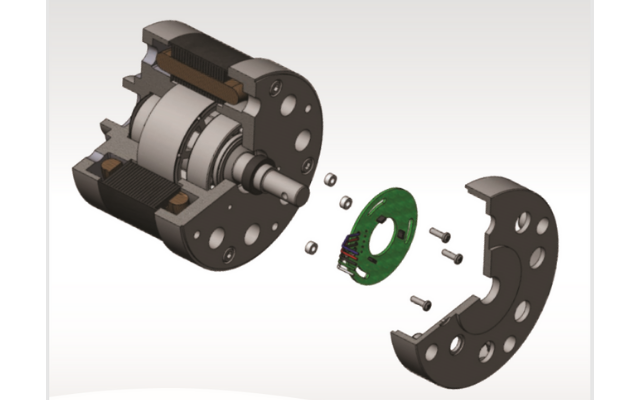
Brushless DC electric (BLDC) motors have been in use for nearly 50 years, but have only recently been employed in smart actuation. Their adaptation is key to improving process control and plant safety systems. Safety and efficiency are critical in the control of plant systems, as each field device is expected not only to meet but to exceed user specifications. The growth of fieldbus technologies has enabled real-time component performance tracking and the need to optimize networked responses. As a result, previously acceptable levels of performance for electric actuators no longer satisfy user expectations. Better precision, safer and quieter electrical operation, and improved longevity are now minimum requirements. All of these attributes are integral to electric valve actuators with BLDC motor technology. The purpose of this paper is to explore the latest innovations in these motors, consider alternatives, and discuss how to make an educated decision regarding when and where to use BLDC motor technologies.
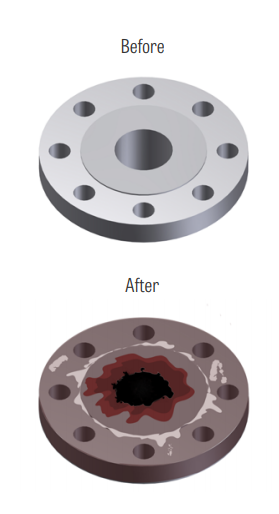
APPLICABLE INDUSTRIES Chemical Processing WHY IS SEALING HYDROGEN FLUORIDE A CHALLENGE? Because of its harsh nature, hydrogen fluoride is a difficult chemical to seal. If leaked, in any volume, manufacturers must immediately alert an emergency response team. Gaskets for hydrogen fluoride systems must be constructed from materials capable of providing a reliable, leak-free seal and withstanding the chemical’s highly corrosive nature. The Hydrogen Fluoride Industry Practices Institute (HFIPI) offers a Materials of Construction Guideline for both Anhydrous and Aqueous Hydrogen Fluoride, which includes gasket materials. The Effects of Corrosion WHAT MAKES A GASKET HYDROGEN FLUORIDE-RESISTANT? Due to limited allowable maintenance periods, the flange inner diameter (ID) is subject to corrosion from residual moisture pockets that become trapped during routine cleaning. Use of inadequate materials can also cause flange corrosion. HFIPI’s recommended standard lists carbon-filled PTFE as a safe and reliable gasket solution for harsh applications involving Hydrogen Fluoride. While virgin PTFE is also listed in the HFIPI guidelines, its tendency to creep makes it a less effective sealing material. Although carbon-filled PTFE serves as an efficient sealing material for aggressive chemical processing applications such as hydrogen fluoride, a limited number of manufacturers produce this material — and those who do typically make it very infrequently.
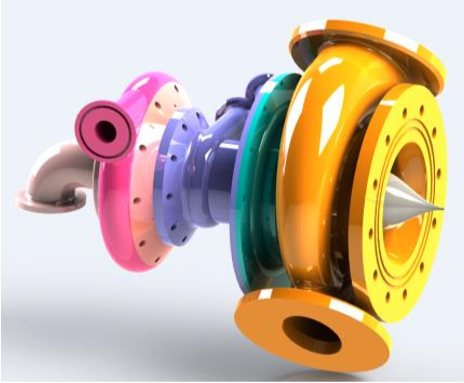
In the past, hydrogen peroxide bipropellant rocket engines were reserved for limited performance applications such as propulsion for rocket-assisted take-off (RATO) or sounding rockets due to the use of pressure-fed propellants or low-performance turbopump cycles. However, research performed at Purdue University has indicated silver screen catalyst beds used to decompose hydrogen peroxide can operate at much higher bed loadings and pressures than previously believed. Thus, leveraging modern technology to substantially increase the performance of such engines, a single-shaft, radial turbine, centrifugal impeller turbopump has been designed to deliver high-pressure hydrogen peroxide and RP-1 to a compact and lightweight 5,000 lbf rocket engine. The turbopump is extraordinarily small and fast, fitting within a 150 in3 envelope, spinning at 90,000 RPM, and delivering propellants at pressures close to 6,000 psig. Benchmarked against the Bristol-Siddeley 605 RATO engine, the developed engine delivers a 50% greater thrust-to-weight ratio, confirming that modern technology and design tools can be used to produce rocket engines that greatly outperform heritage systems of similar configuration.

Over the years, there have been a variety of ways to monitor asset health, but only recently have technologies like wireless connectivity, artificial intelligence (AI) and predictive algorithms taken these abilities to new heights. Today, companies have deeper insights into how their equipment performs; by using these insights they can make more informed decisions to improve operational efficiency, productivity and safety. But that wasn’t always the case. Let’s take a look at the evolution of asset health management technology and how it has changed over the years.
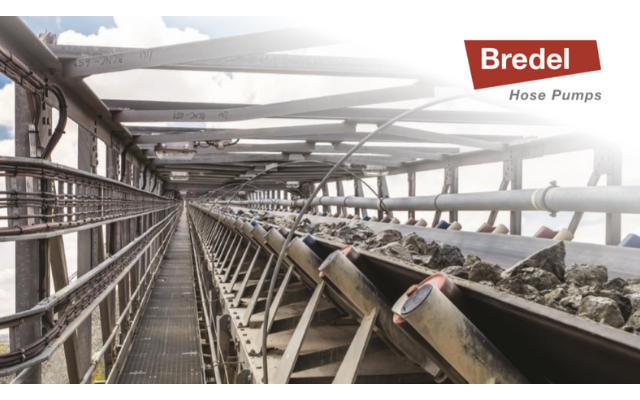
When it comes to pumps, there are many challenges associated with precious metal mining applications. For instance, there is a high degree of difficulty in handling abrasive paste with varying density, over long distances and without frequent breakdowns. Optimised pump selection for safe and responsible transfer of paste and tailings has never been more important, not just for efficient mine operations, but for the environment. Download the new white paper to discover how the latest Bredel peristaltic hose pumps are providing more efficient operation and higher productivity.
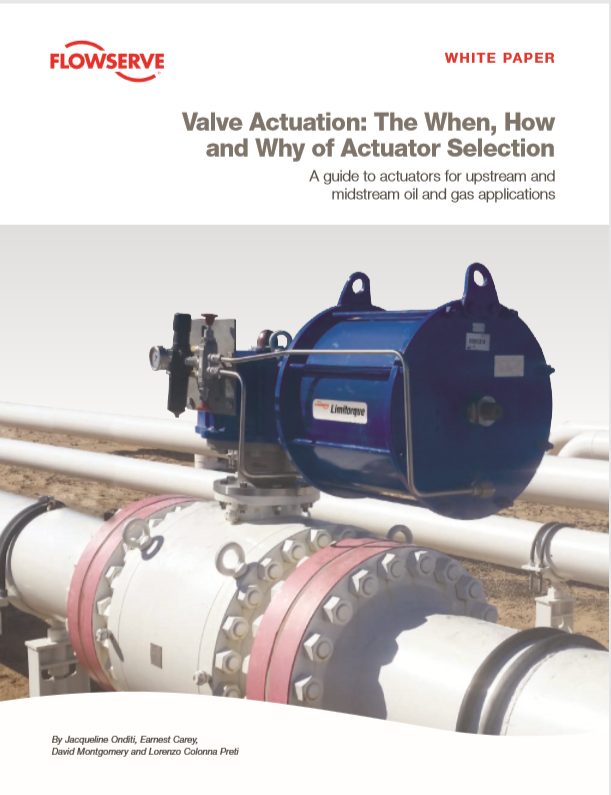
Once the decision to automate has been made, there is a wide — and often confusing — variety of actuators from which to choose. This paper is designed to make all these decisions easier by providing a quick-reading overview of: The key factors to consider when making the decision to automate. The most common types of actuators and the applications for which each is best suited. (To aid the reader, major classifications of actuators are organized in the same cascading hierarchy traditionally used for cost/benefit analysis by the oil and gas industry.) Hybrid and specialized actuators used for certain specific applications (such as pipeline control). Emerging trends in technology and regulation that may influence the decision-making process. Valve automation dramatically improves control, precision and efficiency. While these advantages must be weighed against higher capital and operating costs, actuators are frequently found to be a cost-effective investment for most oil and gas applications.
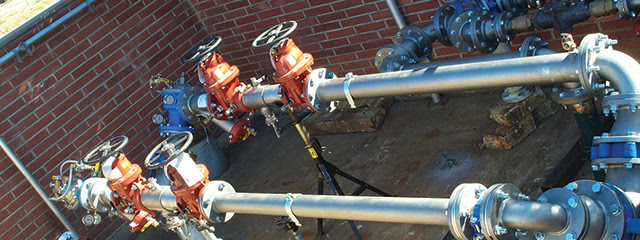
To understand the types of strainers available and how to choose the appropriate one for your project, download our e-book: The Who, The What and The Wye: Everything You Need to Know About Strainers.
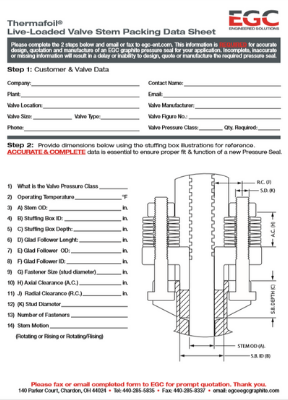
The EGC Live-Loaded data sheet enables you to list actual valve measurements consist of valve pressure class, operating temperature and, specific to Bellville springs, the inside diameter of the stuffing box and the outside diameter of the stem. EGC can engineer, manufacture and ship with a standard, 48 hour lead time just like their VSG Graphite Pressure Seals.
In any type of industry or application, proper gasket installation is key for optimal system efficacy, longevity, and safety. Rushing through the installation process — or using subpar or improper gaskets for the application — can be disastrous. Often the result of poor installation, gasket blowouts can slow down production, result in increased maintenance needs, and, most seriously, cause injuries to workers. If bottom-line costs, system performance, and employee safety are priorities at your facility, following proper gasket installation protocol isn’t an option — it’s crucial to the success of your operations. The fluid sealing experts at Gasket Resources Inc. (GRI) can offer expert technical support for a variety of systems involving the use of gaskets. To help our customers avoid some of the most common gasket installation mistakes, we’ve rounded up six of the most common errors and provided tips on how to prevent them. Download Gasket Resources Inc.’s whitepaper to learn more!