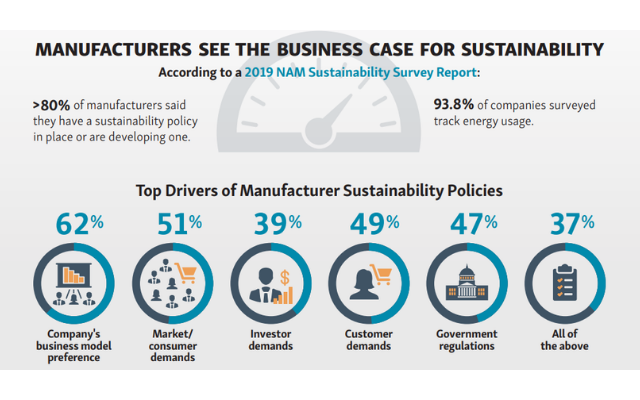
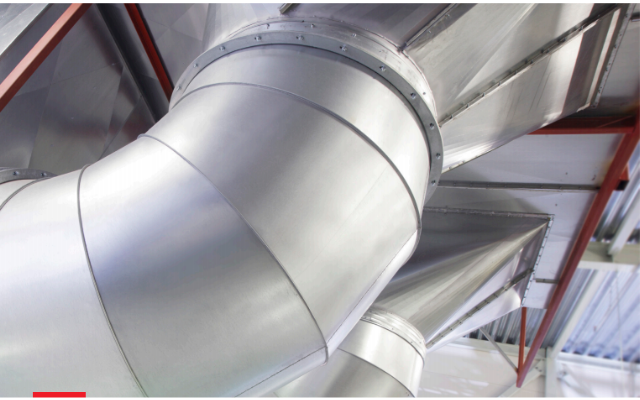
White papersPump systems may account for 40% of industrial energy usage, but they don’t have to. Download this infographic from the Hydraulic Institute to get great stats you need to make the business case for energy-saving upgrades to your pump systems. There are so many positive impacts from conserving energy – and so much savings that you could be capitalizing upon.
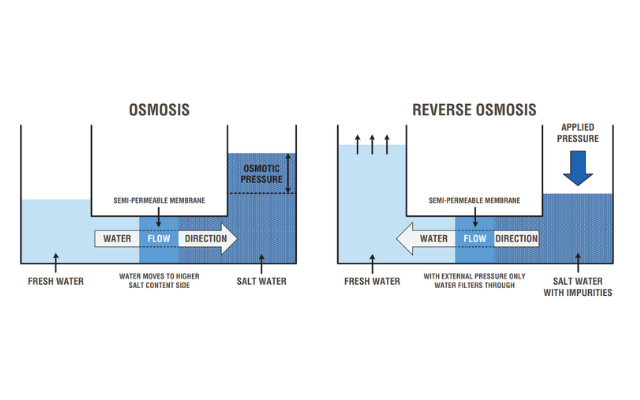
White papersCheck out Flowserve’s Desalination Process Flow Diagrams! These diagrams are valuable references from Flowserve experts in desalination for anyone associated with a desalination plant.
White papersAdvancements in asset health management and predictive analytics have created tremendous excitement within the fluid motion and control industry. This technical article explores what’s possible with these emerging technologies as well as the steps required to implement these tools effectively.
White papersThis video is intended to illustrate how to measure common applications such as pumps, motors, and gearboxes for an Inpro/Seal bearing isolator.
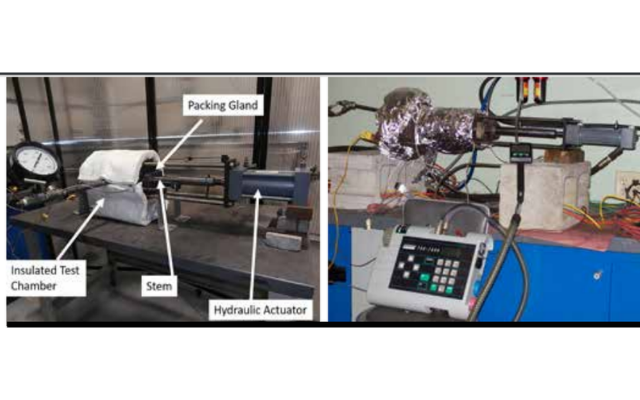
White papersContributor: Mark Freeman FSA Member, EGC Enterprises, Inc. The American Petroleum Institute (API) has developed two commonly used standards designed specifically for the petroleum industry. They include API 622 “Type Testing of Process Valve Packing for Fugitive Emissions,” and API 624 “Type Testing of Rising Stem Valves Equipped with Graphite Packing for Fugitive Emissions.” API 622 and API 624 may be specified by an end-user. Valve OEMs must use API 622-approved packing for any valve on test for API 624. Download this whitepaper from Fluid Sealing Association! Image 1 (left). Testing fixtureImage 2 (right). Thermo toxic vapor analyzer (Image courtesy of Yarmouth Research)
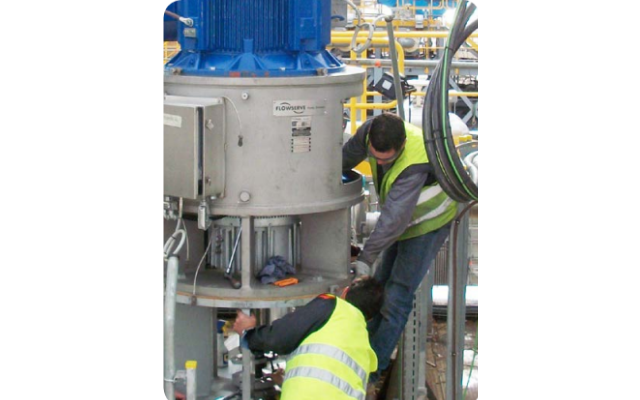
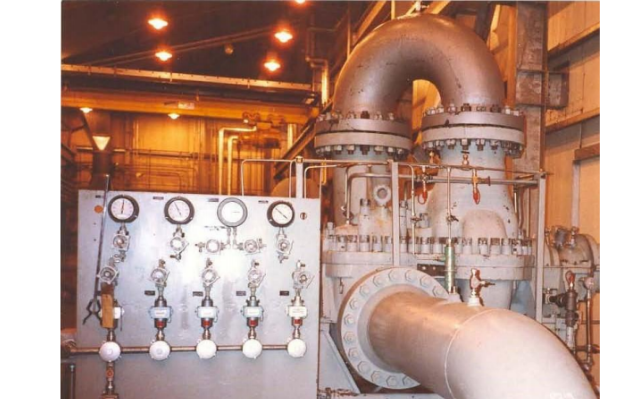
White papersIs the image above a pump or a compressor? Those familiar with industrial rotating machinery might pause, but would likely recognize it as a pump – and they would be correct. Centrifugal pumps and compressors are both rotating equipment devices that impart kinetic energy to fluid to create pressure and move liquids, gases, and other process materials. So what are the differences between pumps and compressors? Download this 4-page whitepaper, authored by Randal Ferman, to get a better understanding of pumps and compressors.
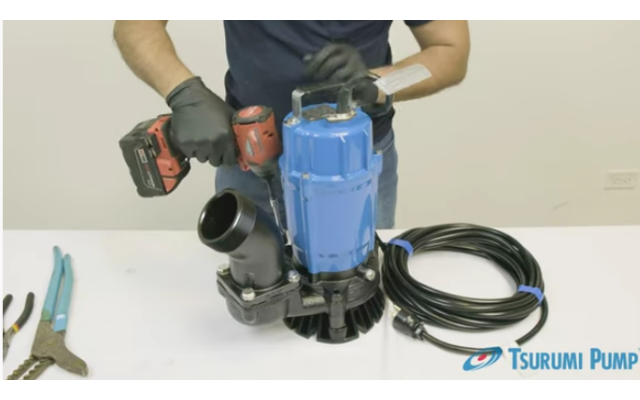
White papersThis video shows you how to change the impeller on an HS3.75S and HSZ3.75S pump with a few tools. You can do this at home or in your shop.
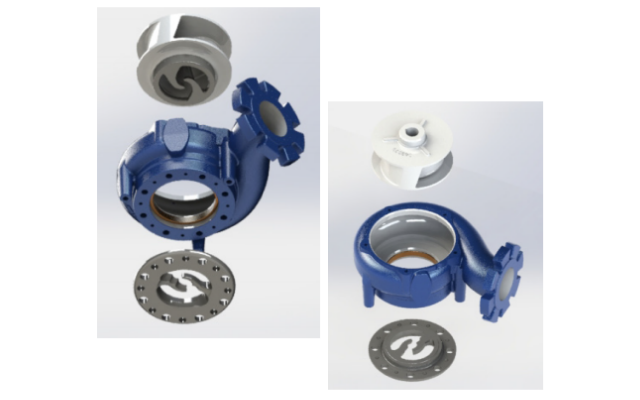
White papersThe Rise of Chopper Pumps Chopper pumps are used extensively in heavy-duty solids-laden water applications including municipal wastewater, industrial sewage, food processing, agricultural byproduct, and raw untreated drainage run-off from metal, paper and chemical industries. Chopper pumps increasing popularity can be attributed to the combination of increasing solids in water streams and decreasing water drain-off from residential, commercial and industrial sources. Chopper pumps solve the biggest challenge that municipalities and private wastewater treatment operators face – pump clogging.
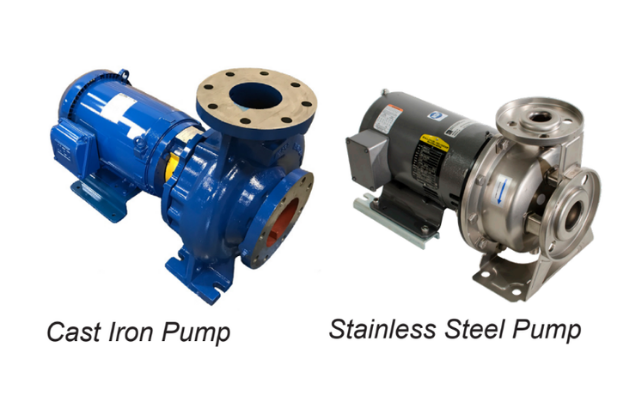
White papersHistorically, cast iron has been the material choice for general service water pumps, such as commercial building water transfer services, with the initial cost being the primary decision factor. This makes perfect sense for large pumps. However, for numerous reasons, it is not the obvious choice for smaller pumps; 20HP or less.
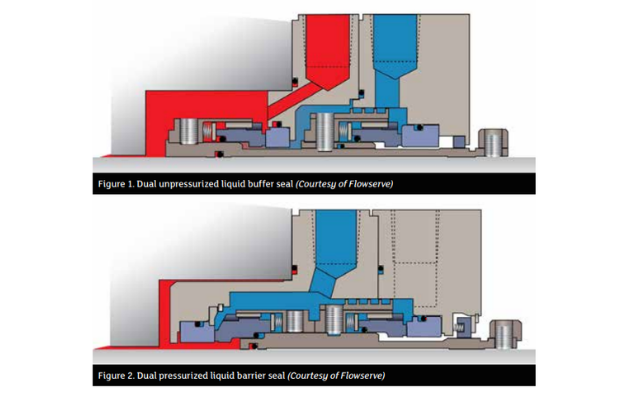
White papersContributor: Fluid Sealing Association In today’s world, facilities face the daunting challenge of minimizing the environmental impact of industrial processes. A primary motivation for industrial plants to control their environmental impact is government regulation. In the U.S., these regulations are issued at the national level by the Environmental Protection Agency (EPA) and similar agencies at the state and local levels. Before the U.S. government passed the first Clean Air Act in 1963, no federal regulations on gaseous emissions existed. The Clean Air Act initiated research to investigate techniques to monitor and control air pollution. During the 1970s and 1980s, the government passed legislation that established a limit on emissions of 10,000 parts per million (ppm) for gases defined as volatile hazardous air pollutants (VHAPs). Similarly in Europe, a series of accidents resulting in toxic chemical release lead to adoption of the European Commission directive 82/501/EEC targeting safety measures to prevent the release of hazardous chemicals. This threshold came down to 1,000 ppm in the 1990s. In some cases, these emissions restrictions were driven even lower by local authorities. The sealing industry has always worked to provide innovative solutions to meet the goals of the regulations and industry.
White papersActive front end drive technology is recognized by many in the industry as the best technology for overcoming harmonic challenges. This paper details two hardware solutions used for active front end drives. Harmonic mitigation and variable frequency drives (VFDs) are two topics often tied to each other. Non-linear loads, such as VFDs, generate harmonics. Electrical systems with high levels of harmonics may encounter issues, such as unstable operation of stand-by generators. Reference ABB document Harmonics in HVAC applications (1 for more information on harmonics, problems caused by harmonics, and the many solutions available for cleaning up harmonics. Of all the solutions recognized, active front end (AFE) drive technology is widely considered the best overall harmonic mitigation technology.
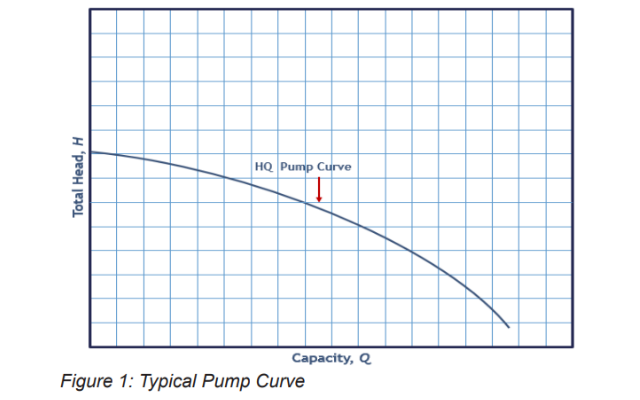
White papersA centrifugal water pump, designed to flow 100 gallons per minute and produce 100 feet of head, is not working as expected when installed. In the manufacturer’s test facility, the pump achieves the desired performance, but on site, it is only producing 80 gallons per minute. Through review of the pump manufacturer’s installation instructions, the installation adheres to the best practices. When all the right steps of installation are followed, here are the next steps that can be taken to help troubleshoot this pump.