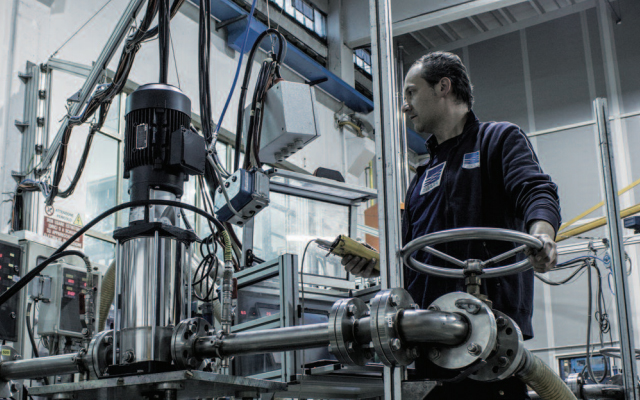
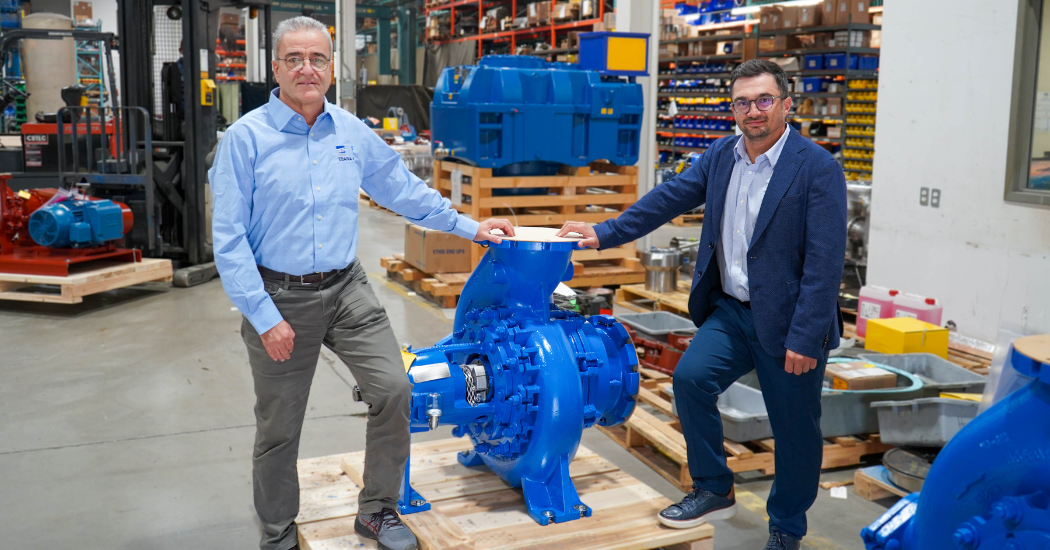
EBARA Pumps Americas Corporation (EPAC) is the US sales and service subsidiary of EBARA Corporation, Japan and provides engineered pump, pump products and related services for the water, wastewater, commercial, municipal, energy, and power industries offering reliable product knowledge, application expertise, and responsive support including aftermarket replacement parts services.
With horsepower ranges up to 500 HP and capacities to 35,000 GPM, EPAC’s cast iron submersible pumps meet a wide range of industrial, municipal, flood control, and residential water and wastewater applications. The cast iron line of pumps includes submersible sewage, submersible sump, self-primers, end suction centrifugal, semi-vortex, vortex, grinder, non-clog, and dry pit models.
EPAC offers a comprehensive line of corrosion resistant formed stainless steel pumps that include end suction centrifugal, multistage, and submersible sump, effluent, and sewage pumps. The Rock Hill facility includes a new 81,000 gallon computer-aided testing area capable of handling large-scale pump models both in wet and dry pit configurations up to 400 HP.
EBARA pump service and parts are available through an extensive service network throughout North America to assist customers in replacement of parts or complete pumps and motors.
Recognizing the continued strain on water and wastewater facilities and infrastructures with increased maintenance, energy, and environmental demands and costs, EBARA strives to deploy the best water, wastewater pumps, pump products, and technologies to meet these requirements.
From EBARA Pumps Americas Corporation
Articles 11


Products 5
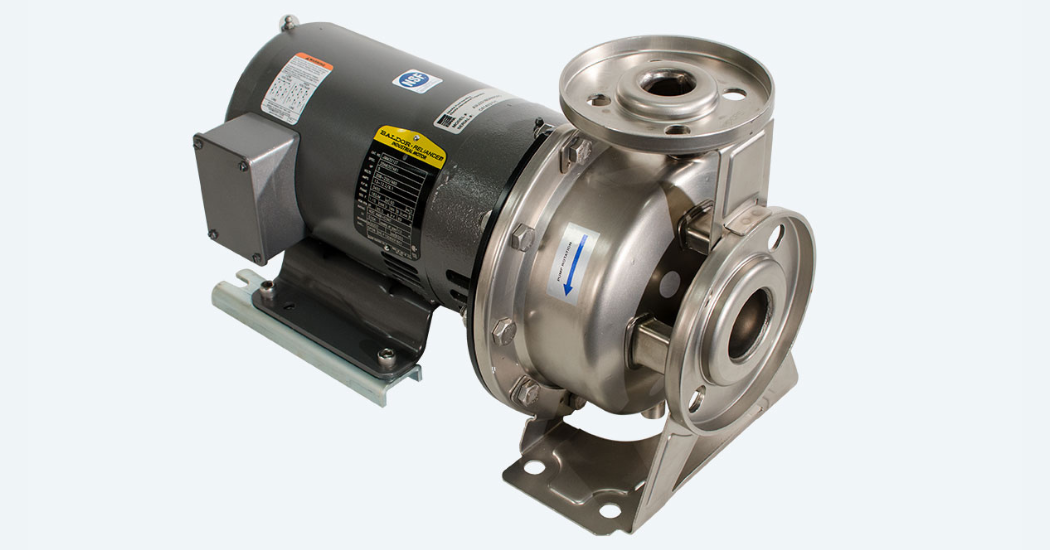
EBARA Pumps Americas Corporation
3U – End Suction Centrifugal Pump
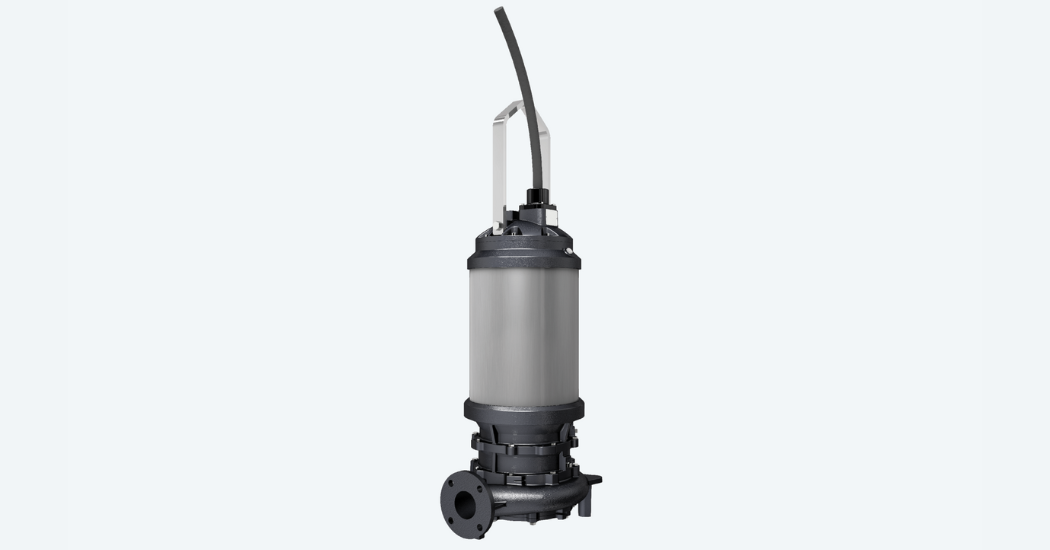
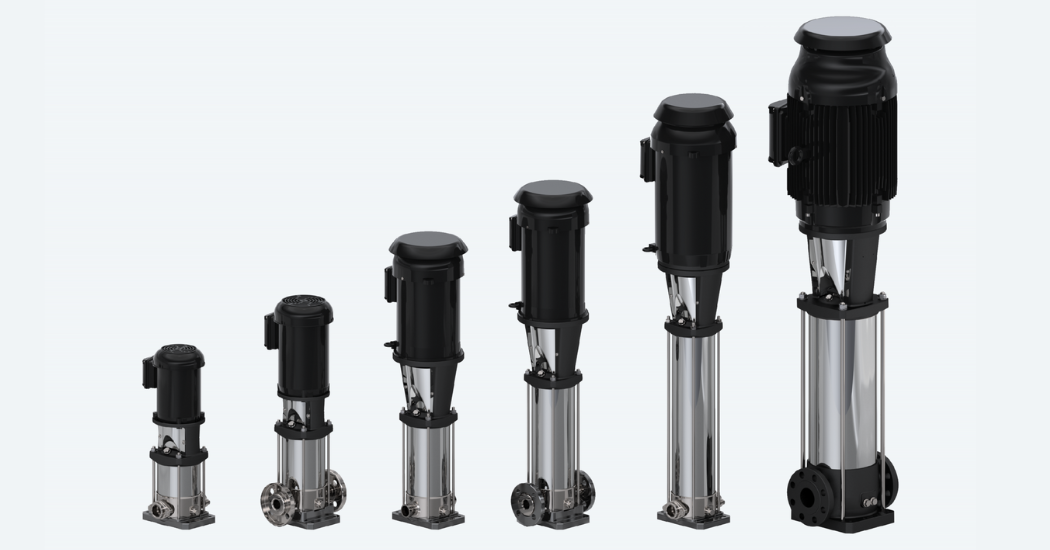
EBARA Pumps Americas Corporation
EVMSU Series – Vertical Multistage Pumps
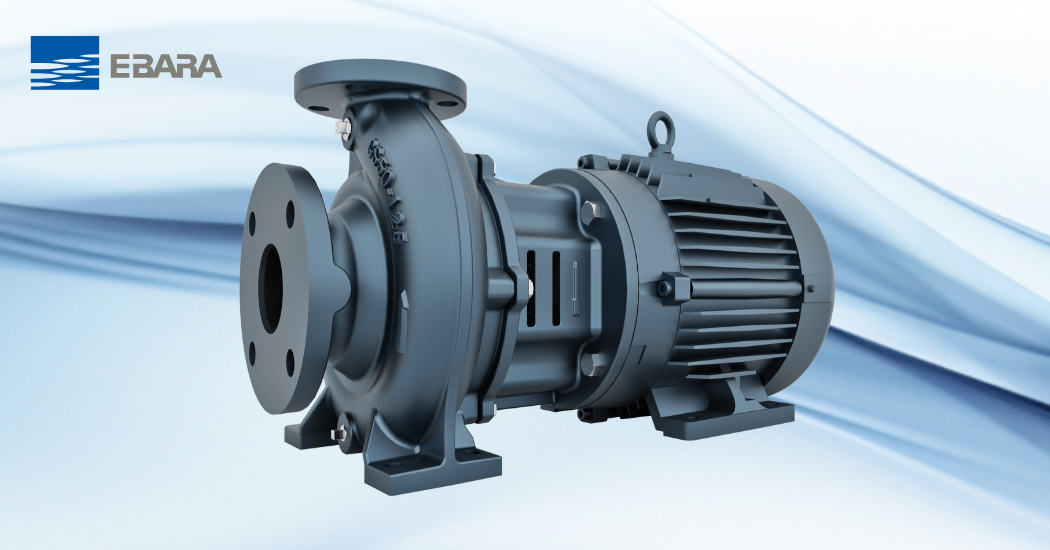
EBARA Pumps Americas Corporation
GSDU
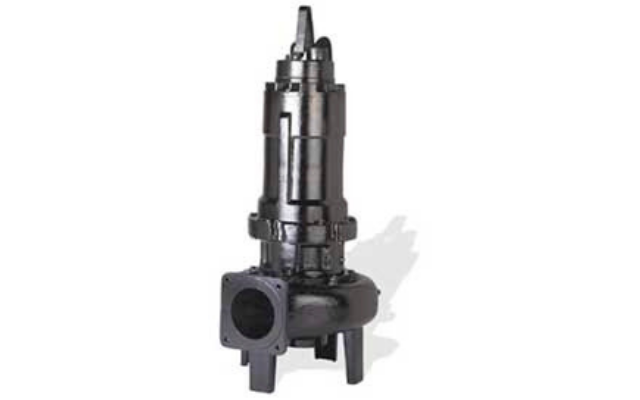
EBARA Pumps Americas Corporation
Submersible cast iron wastewater, sewage pump K-Series: Model DLKFU
White Papers
- Commercial Building Water Transfer Services: Cast Iron vs. Stainless Steel PumpsRegister to download
Historically, cast iron has been the material choice for general service water pumps, such as commercial building water transfer services, with the initial cost being the primary decision factor. This makes perfect sense for large pumps. However, for numerous reasons, it is not the obvious choice for smaller pumps; 20HP or less.
- A Quick Guide to Basic Centrifugal Pump Trouble ShootingRegister to download
A centrifugal water pump, designed to flow 100 gallons per minute and produce 100 feet of head, is not working as expected when installed. In the manufacturer’s test facility, the pump achieves the desired performance, but on site, it is only producing 80 gallons per minute. Through review of the pump manufacturer’s installation instructions, the installation adheres to the best practices. When all the right steps of installation are followed, here are the next steps that can be taken to help troubleshoot this pump.
One of the characteristics of incinerators is that the waste used as fuel contains chlorine in high concentration. The chlorine reacts with alkaline metal, ect., to form a chloride, which is deposited as ash adhesion on boiler heat transfer tubes and the like. When this adhered ash melts, the corrosion environment is significantly deteriorated. In addition, the soot blow used to remove the adhered ash promotes the destruction of the corrosion scale and accelerates the metal loss of the heat transfer tubes. The ash adhesion behavior depends on temperature, and chloride is concentrated where the exhaust gas temperature is high, deteriorating the corrosion environment. Accordingly, a good understanding of the adhesion behavior and an appropriate design for the corrosion environment are required in order to prevent the corrosion of heat transfer tubes. This paper explains the metal loss behavior mainly due to the influence of ash adhesion, and also described examples of the corrosion behavior and corrosion protection in the actual plants.
- Under the Scenes of Our Lives- High-Pressure Pumps-CO2 Injection PumpsRegister to download
The CO2 injection pump plays an active role as a part of the Enhanced Oil Recovery (EOR) process that injects carbon dioxide (CO2) into the oil layer and recovers crude oil efficiently. When this process is performed, carbon dioxide, which is collected from emitted gas at the energy production or other industries, is utilized in some cases. There is high expectation for the oil recovery process because it can also serve as a carbon capture and storage (CCS) process for preventing the release of the large quantities of carbon dioxide into the atmosphere. This article introduces the roles and characteristics of the CO2 injection pump as an application example of a high-pressure pump.
Ask EBARA Pumps Americas Corporation
Questions about a product, a quote or a spec? Send your request and we pass it to the right contact at EBARA Pumps Americas Corporation.
Loading the request form