Learn
White Papers
Technical papers and guides from the companies that publish here, free to download.
Technical papers and guides from the companies that publish here, free to download.


554 white papers
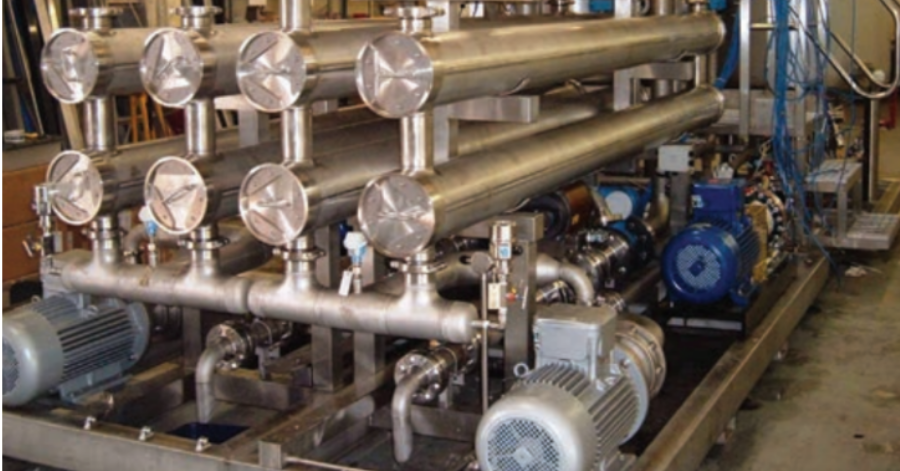
Whether processing pharmaceuticals, treating drinking water, or feeding a boiler in a power plant, pumps are among the most extensively used industrial products. Not only do pumps come “in all shapes and sizes,” there are different pumping technologies available to meet widespread applications. This paper examines a specific technology, the seal-less design of a positive displacement, diaphragm pump. It cites examples where this type of seal-less pump replaced other types of pumps to overcome problems in the field.
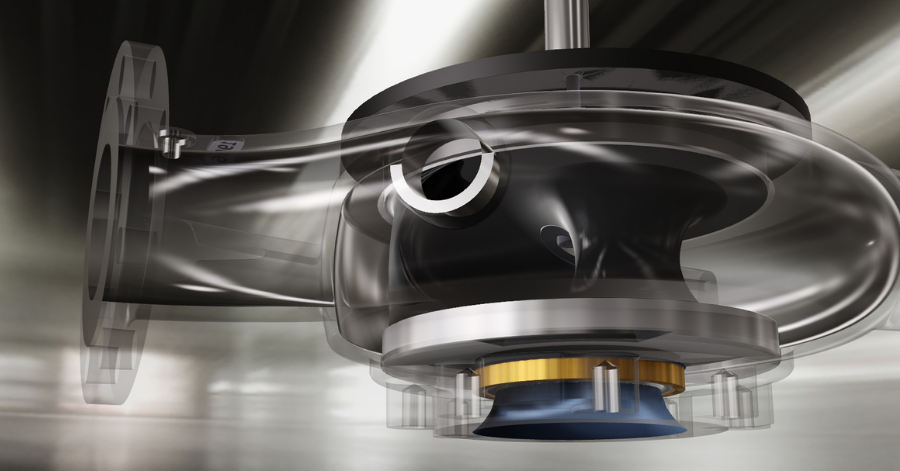
When selecting a submersible pump model, the question may arise of what type of impeller is best for the application. Many manufacturers offer a variety of impeller designs to fit differing installations, and choosing the right impeller for the job is an often-overlooked aspect of station design. For non-clog submersible pumps, there are typically closed and semi-open impellers, single and multi-vane impellers, and a style of semi-open, multi-vane impeller referred to as a vortex impeller. HOMA Pump will examine the pros and cons of these styles, as well as common materials of construction.
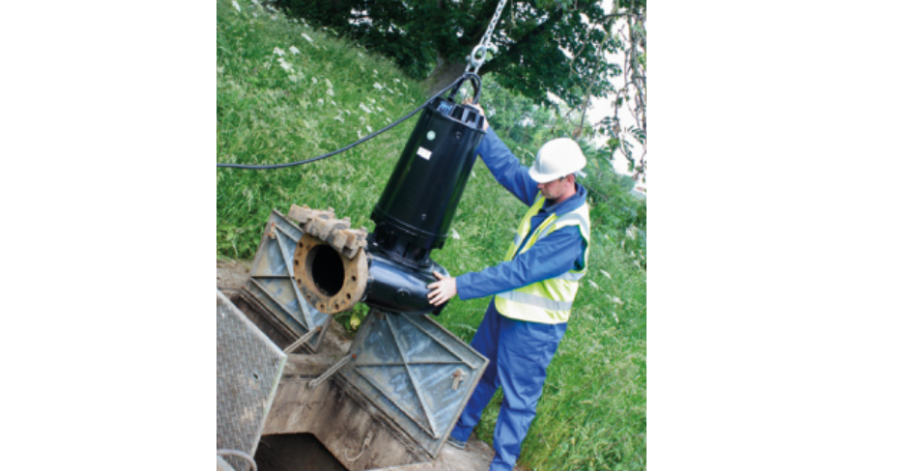
The AVANT MQ Series is a new line of submersible pumps developed by Tsurumi Pump, an industry leader in submersible pumps for over 95 years. The AVANT features an FM approved design, premium IE3 motors, and closed-loop cooling jackets. They have been designed to operate over a wide range of conditions; with multiple options for impellers, motors, and mounting configurations. The AVANT series can offer a pump for almost every application! The AVANT MQ Series engineers focused on 3 key concepts during the development of this new line. Innovation Reliability Efficiency Read more about the advantages of the AVANT MQ Series.
Introduction There are some things you just can’t avoid: death, taxes, and a pump’s common operational pain points- leaks, dry run, solids handling, cavitation-causing NPSH imbalance operation off the BEP, and incomplete performance curves that are inherent in chemical-transfer applications. It was in the 1980s that the first viable pump technology was created that could ostensibly deliver leak-free performance a crucial front-of-mind concern in applications where the handling and transfer of high-value hazardous chemicals was required with a design that could also mediate or eliminate the negative effects of the common operational pain points. This technology was called seal-less, zero-leak or leak-free, and it had one main task: prevent the leakage of hazardous materials better than sealed pumps through a seal-less design. There are three reasons why leak-free performance in chemical-transfer applications is paramount: • Most raw chemicals are expensive, meaning that they are too valuable to have leak out, get flushed down a drain during a cleaning process after a product run, or get left behind in a storage tank, railcar, tank truck or piping system after an unloading event • Many chemicals are too hazardous for humans to handle or be exposed to, which requires leak-free operation • Many chemicals are caustic or corrosive, which makes them hard to seal and can lead to cracks, breaks or crystallization on the seal faces, resulting in leak-causing failures Many chemical-processing applications require pump technologies that are leak-free, dry-run capable, can handle solids, can operate off the Best Efficiency Point (BEP) and can run without any cavitation-causing net positive suction head (NPSH) imbalances occurring. Blackmer® has developed a pump technology that can handle all of those challenges with its new MAGNES Series Sliding Vane Magnetic Drive Pump.
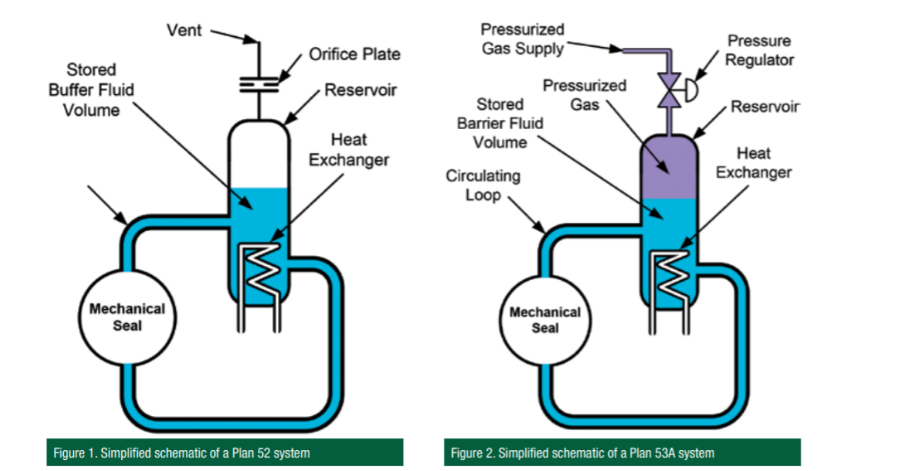
Author: Mark Savage, FSA Member As operators of pumping equipment become more focused on the safety, reliability and environmental impact resulting from shaft seal leakage, dual mechanical seals have become more prevalent in the industry. A dual mechanical seal offers a second (outer) seal to contain the pumped fluid by creating a cavity or chamber between the inner and outer seal that can be filled with a fluid. When this fluid is unpressurized, it forms a buffer between the pumped fluid and atmosphere and is commonly referred to as a buffer fluid. When pressurized, it forms a barrier between the pumped fluid and atmosphere and is known as a barrier fluid. Although mechanical seal designs are available in configurations that use either a liquid or a gas as a barrier fluid, the following discussion focuses on liquid buffer and barrier fluids only. In addition to separating the pumped fluid from the atmosphere, liquid buffer and barrier fluids lubricate the mechanical seal and transport frictional heat and absorbed heat from the mechanical seal to a heat exchanger. This controls the fluid’s temperature and lubricating properties.
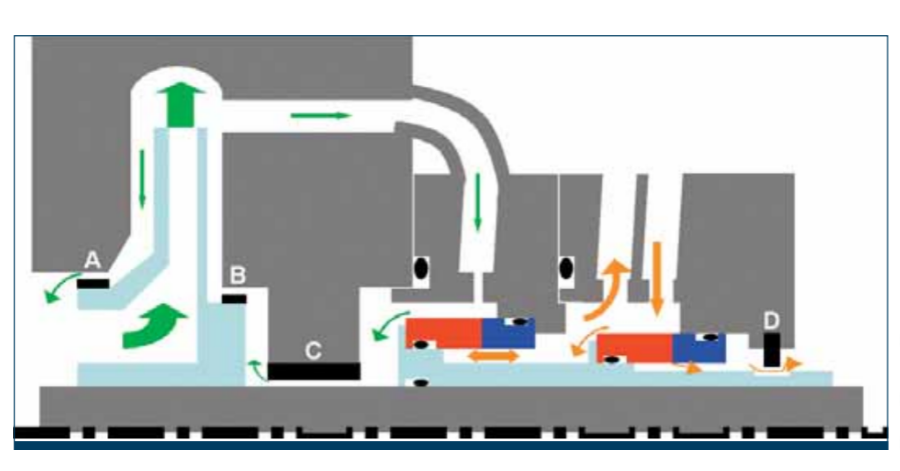
Figure 1. Typical pump and mechanical seal arrangement Almost all centrifugal and rotary pumps require a sealing system to provide sealing integrity of the drive shafts carrying the impellers and protect against pumped fluid leakage and the environment outside of the wetted areas. These sealing systems range from traditional braided materials packed around the shaft to complex mechanical seal systems used in many modern pumps. Download this Fluid Sealing Association whitepaper to learn more.
Are you properly tracking infeeds, flows, pressure and viscosity, process efficiency and changes to the pumping subsystem over time? Early detection and proper intervention can protect your motors and pumps, improve efficiency, and extend their longevity even in the most dangerous and harmful conditions. Pumps play an increasingly important role in today’s manufacturing. The global market for pumps is over $60B and is expected to continue growing at a rate of 6% into the future. This investment is surpassed by the budget for running and maintaining these pumps over time. Pumps used for industrial applications represent one of the world’s largest electrical power consumers. According to the Hydraulic Institute, pumping systems account for nearly 20% of the world’s electrical energy demand and from 20% to 25% of the energy usage in certain industrial plant operations. Well-managed and maintained pumps can enjoy a long productive life, playing an important role in an efficient manufacturing process. But events can happen! Proactive monitoring and maintenance are important to avoid costly downtime, cleanup, repairs, and replacement. Download this whitepaper to learn more about the monitoring and maintenance of pumps.
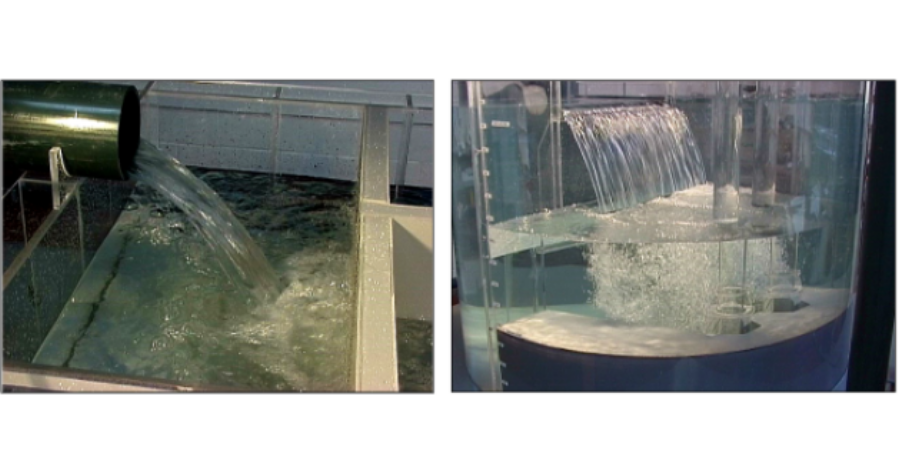
Air entrainment is the introduction of air bubbles into the pump impeller during operation. It differs from cavitation in that the bubbles are air rather than water vapor. It also differs in that the air bubbles do not collapse in the impeller releasing energy like cavitation bubbles do. Air can be either large coarse bubbles or fine bubbles Both results in a two-phased pumped medium and can damage the pump, but coarse bubbles are more severe. Download this whitepaper to learn more about air entrainment.
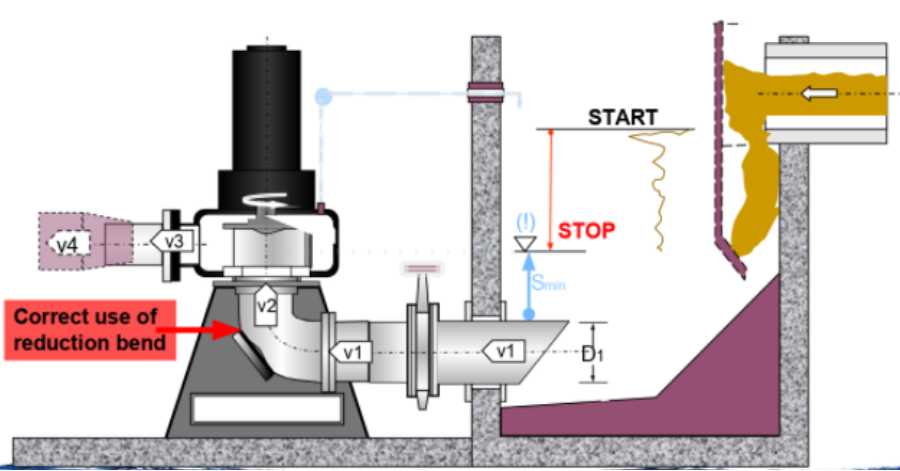
Identification of recirculation cavitation in the field. By Sound Popping sounds coming from volute are intermittent and inconsistent in both sound level and frequency Sounds begins immediately upon pump startup but may drop to a lower level once the pump is running and stabilized Noise seems to be loudest at the suction fitting (dry pit installation) By Testing Injecting a small amount of air into the suction of the pump reduces or eliminates the noise Raising the wet well level has very little or no effect on the noise Throttling the discharge valve has no effect or may worsen the noise Throttling the suction valve on a dry pit pump has no effect or worsens the noise (Sometimes extreme throttling will suddenly reduce the noise and will be accompanied by a significant loss in performance) Download this whitepaper to learn more about cavitation.

Over the years, there have been a variety of ways to monitor asset health, but only recently have technologies like wireless connectivity, artificial intelligence (AI), and predictive algorithms taken these abilities to new heights. Today, companies have deeper insights into how their equipment performs; by using these insights they can make more informed decisions to improve operational efficiency, productivity, and safety. But that wasn’t always the case. Let’s take a look at the evolution of asset health management technology and how it has changed over the years. Download this whitepaper to learn more about asset performance.
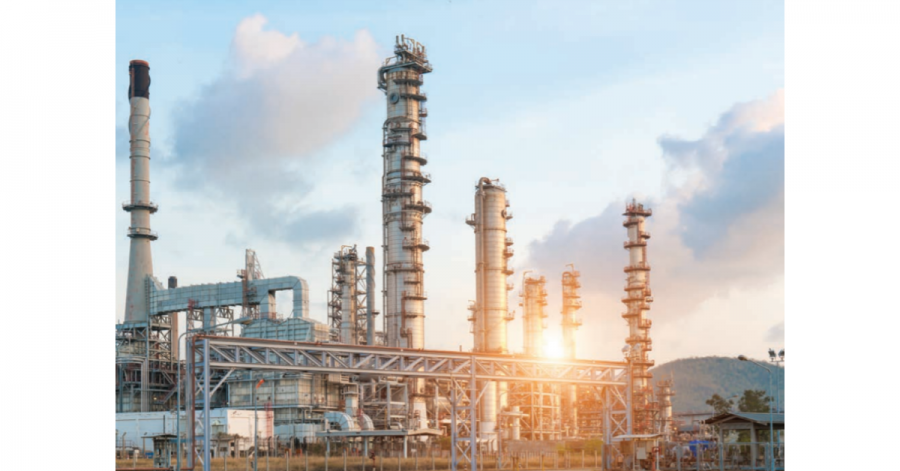
Updating 100-year-old technology for the next generation Liquid ring vacuum compressors are a proven solution widely used across process industries, especially for the recovery of gases and vapors. They are utilized in applications where severe conditions exist and safety is a critical requirement. Demand for this equipment is expected to continue to grow at nearly 5% a year through 2029 because liquid ring compressors offer reliable solutions in refinery applications that recover flare gas. Liquid ring compressors also are ideal solutions for specialized applications such as chlorine or hydrogen compression and in the production of vinyl chloride monomers, biodiesel or ethanol, and other transesterification processes. Liquid ring compressors can use any kind of service liquid to create a seal, making them ideal for applications in which process contamination is prohibited. The most common service liquid is water, which combined with the fact that the compressors are engineered with only one moving part, provides efficient operation and a long lifecycle with less downtime and maintenance costs. While liquid ring technology has been available for more than 100 years to meet a range of capacity requirements, the next generation of compressors from some manufacturers can provide full compliance with the existing and expected updates of the API 681 standards for the chemical, gas, and petroleum industries. Learn more in this white paper about liquid ring compressor advancements and how to incorporate the equipment cost-effectively into your recovery processes. Ideal for demanding industrial processes The main applications for liquid ring compressors include flare gas recovery and processing of especially aggressive, flammable, or corrosive gases and vapors found in: • Chemical processing • Chlorine compression • CO2 treatment • Ozone bleaching • Vinyl chloride monomer (VCM) or aromatics recovery • Water treatment Key processes • Batch reactors • Deaeration and gasification • Gas compression • Flare gas recovery • Off gas recovery • Vent gas compression • Vapor recovery
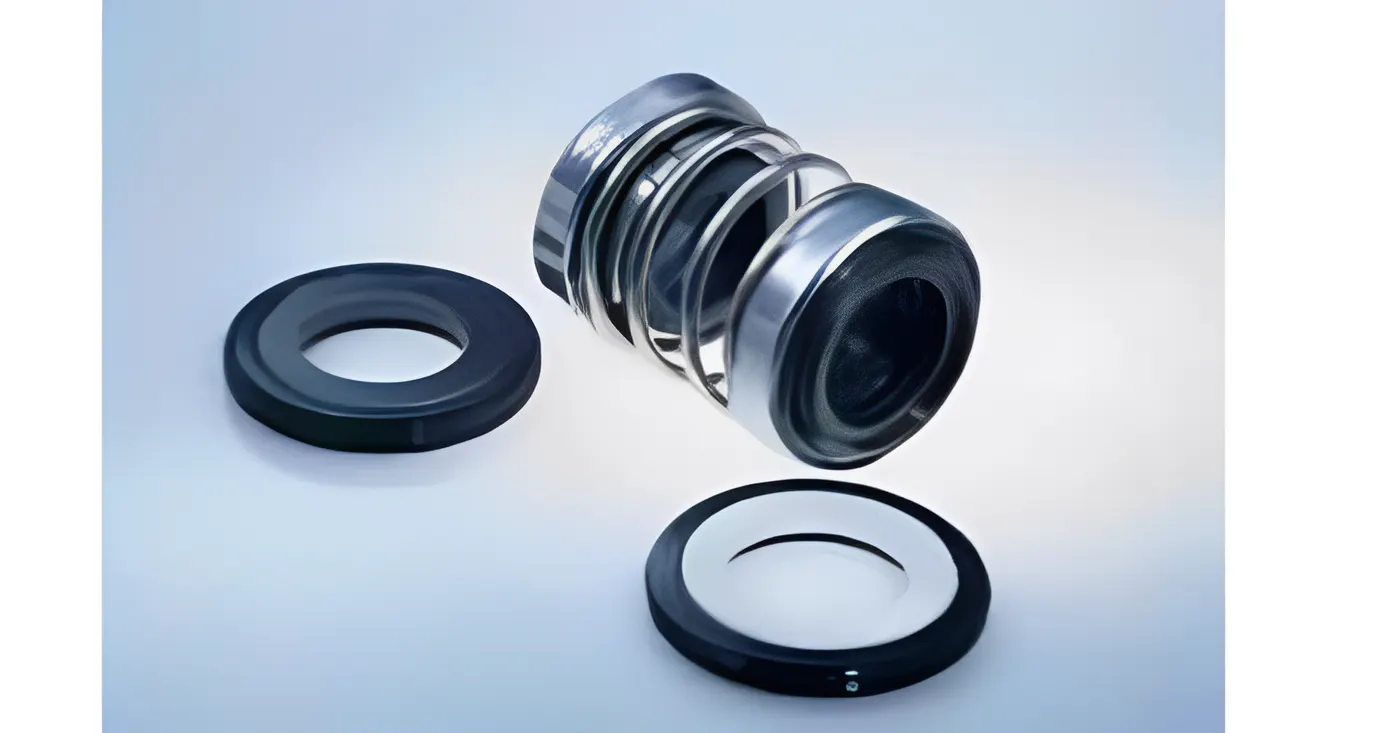
Water and wastewater treatment is not a glamorous or popular topic. However, it is a critical part of our everyday lives that is often taken for granted. For example, the last thing on anyone’s mind during a major sporting event, such as the Super Bowl, is water and wastewater. During halftime, though, thousands of treatment facilities handle the demand when millions of people use their facilities at the same time. Municipal treatment facilities are sophisticated operations that use chemical and biological processes to contain and convert dangerous waste into an environmentally safe and often reusable material. Since most of these facilities are operated and funded by a municipal governing body, cost control, efficiency and reliability are top priorities. The review of common applications, rotating equipment and sealing options found in a typical treatment facility is important.