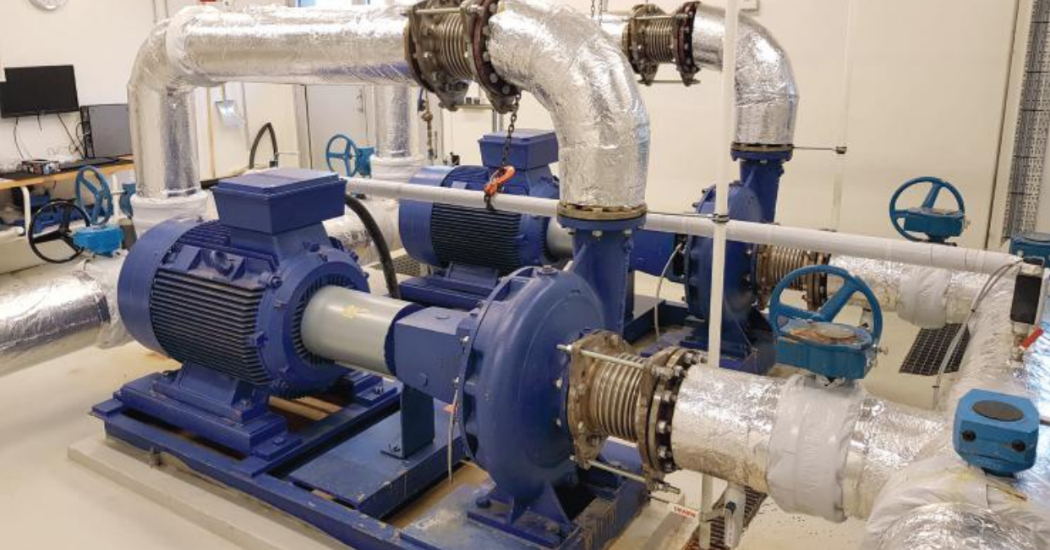
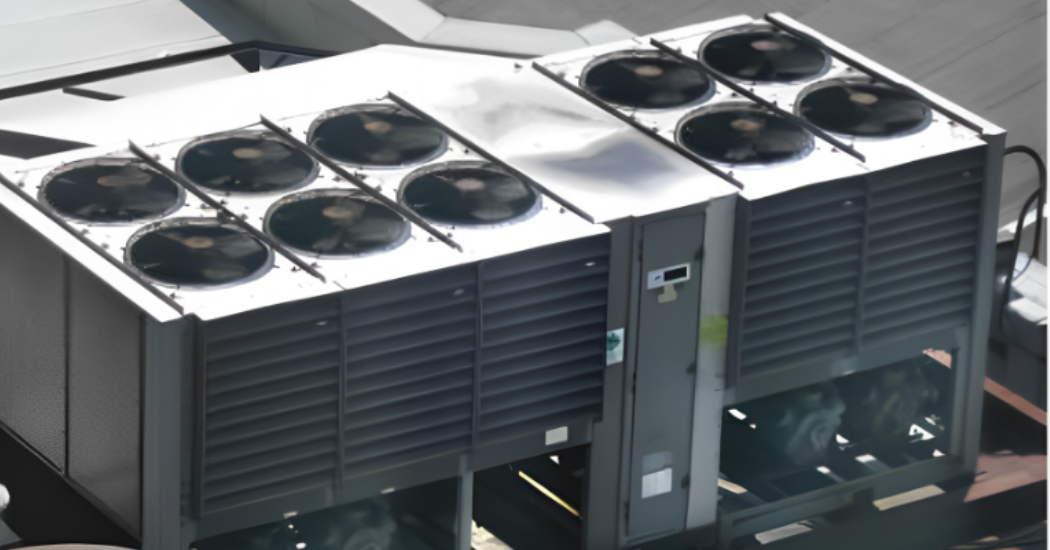
White papersWhen they think of renewable energy, most people think of solar and wind. And for good reason. The sun shines and the wind blows virtually everywhere in the world. But geothermal power generation requires fissures in the earth’s crust that allow heat from the earth’s mantle to turn groundwater into steam. The steam spins a turbine, producing electricity. So viable sites for geothermal plants are fewer in number. Another difference between geothermal energy and other forms of renewable energy is that it is more predictable and reliable. Unlike wind or solar power, which are dependent on the weather or the time of day, geothermal power generation is highly consistent and predictable…so predictable that most geothermal plants do not need battery banks to match power generation to demand. Instead, they rely on variable frequency drives to regulate the speed of large power generators and of various subsystems including VFD-driven deep-well line shaft pumps for district heating.
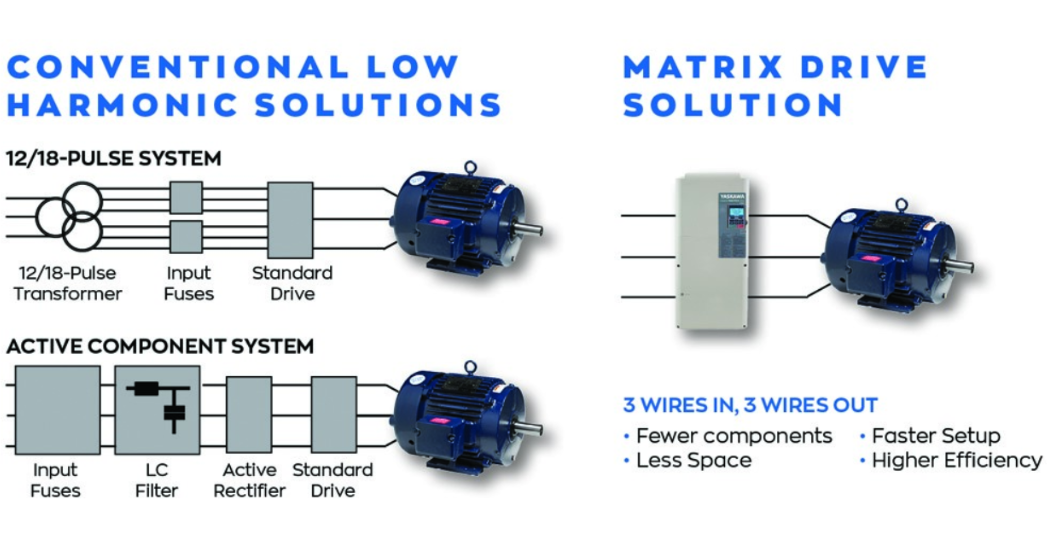
White papersThe evolution of variable frequency drive (VFD) technology stems from the need to boost motor control performance and to provide clean, efficient use of line power. Recent advancements in VFD technology have made way for a drive using Matrix technology. This white paper details the Matrix Drive’s innovative low harmonic and regenerative technology and compares it to conventional and active front end (AFE) drive technologies.
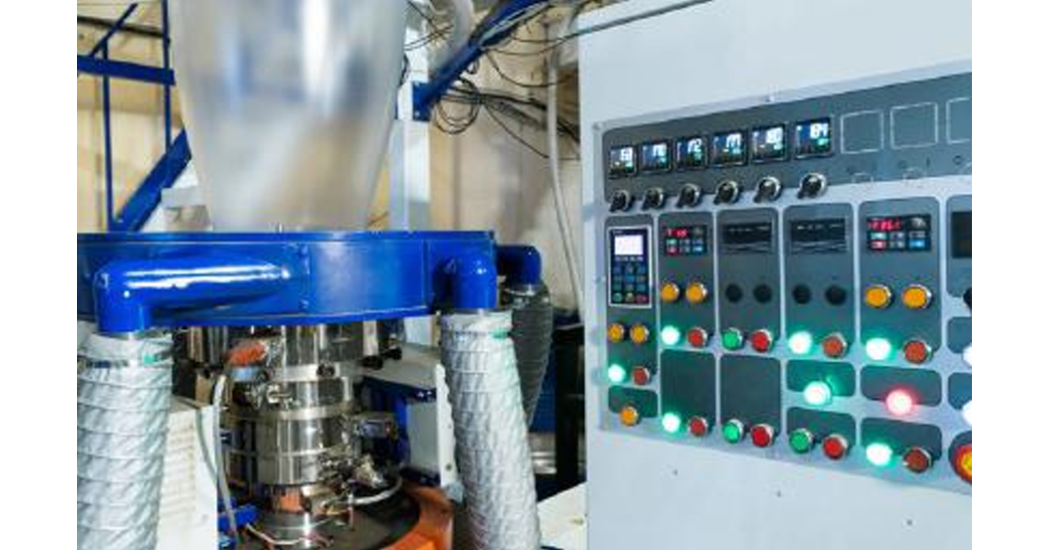
White papersPrecise Control of Equipment Maximizes Output, Minimizes Processing Costs Today, there are hundreds of types and blends of plastics, and they can be formed, molded, extruded, blown, and otherwise fashioned into a dizzying array of products. But at every stage of their processing — from the production of raw chemical ingredients; to their blending and polymerization to produce pellets, sheets, or blanks; to the forming of finished products — processing equipment must be precisely controlled to ensure the quality, durability, and finish of final products. VFDs Provide Exceptional Control and Reduce Energy Costs Whether used with motors for pumps, conveyors, compressors, blowers, or other plastics processing equipment, variable frequency drives (VFDs) provide the precise control of speed and/or torque required for a broad range of plastics processing applications.
White papersAs a leading valve and automation provider, Flowserve has the resources to quickly turn around any repair or remanufacturing project, including plant shutdowns. Flowserve’s technicians and engineers are flow control experts. They specialize in repairing and upgrading engineered valve and automation packages — regardless of type or OEM — to extend service life and improve performance. Flowserve’s Quick Response Centers (QRCs) provide machining, repair, assembly, testing, automation packages and inventory to enable them to respond to your service needs. As a result, they can provide timely support and same-day delivery of parts, repairs and in most cases, spare valves in 72 hours or less.
White paperHydra-Cell® Metering Performance Standards
White papersP Series Pumps Exceed API 675 Performance Standards In 1994, the American Petroleum Institute (API) adapted its Standard 675 to stipulate performance characteristics for controlled-volume, positive displacement pumps. Although revised in 2010, and again in 2012, API 675 primarily defined metering pumps using mechanical stroke adjustment. Hydra-Cell Metering Solutions meet or exceed API 675 performance standards by using electronic flow control to improve accuracy and a multiple-diaphragm design to reduce pulsations. Used in precise metering, dosing, injection, and mixing applications, Hydra-Cell pumps provide an economical alternative to conventional metering pumps.
White papersThe Push to Make Airports Green Spurred on by the promise of energy savings and reduced operating costs, America’s airports are taking a hard look at their equipment and procedures in an effort to become more “green”. The Promise of VFDs One of the most promising opportunities for reducing energy consumption in HVAC systems involves the use of variable frequency drives (VFDs) to control the speed of motors. In fact, in such applications VFDs have been shown to reduce energy consumption by 20 to 30%. The use of VFDs on baggage handling and delivery systems not only saves energy, but by precisely controlling the motor’s speed, it ensures smooth conveyor operation and improves the baggage handling process.
White paperHydra-Cell® Metering Pumps Design Advantages
White papersReduced Pulsations Improve Operation Pulsing, surging flow from traditional metering pumps can produce greater strain on the system and more wear and tear on the pump. Hydra-Cell features a multiple-diaphragm design (except model P100) that practically eliminates pulsations. Reduces pipe strain. Enhances operating safety. Minimizes maintenance. Reduces friction and acceleration losses in the suction line. Eliminates the need for pulsation dampeners. Provides accurate metering with linear, constant flow. Lowers system acquisition costs.
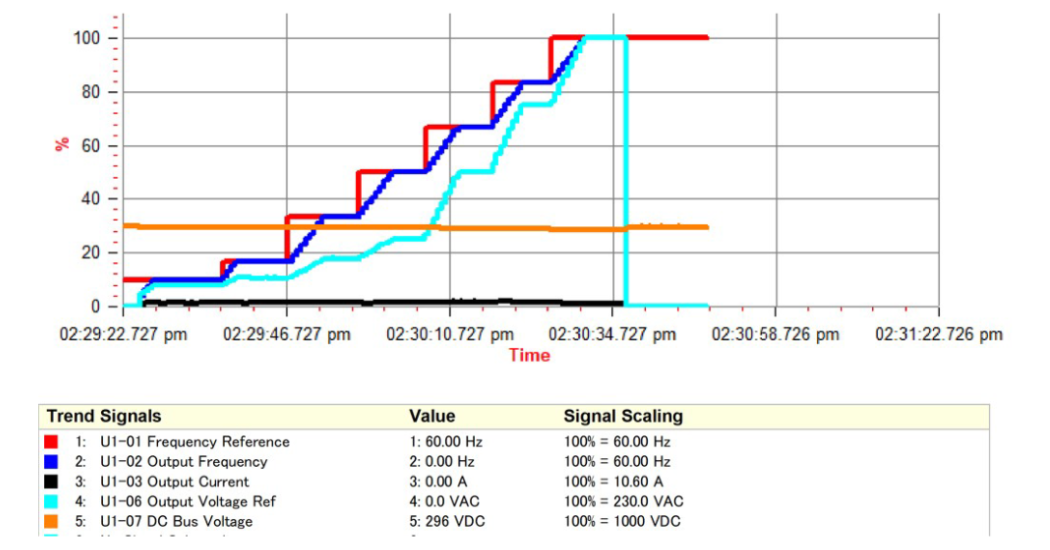
White papersManufacturers of variable frequency drives (VFDs) recommend that you perform something called an Auto-tune. Why is that? What is that? It isn’t anything scary or complicated. It simply helps the VFD control the motor with specific motor settings. This document details the importance of performing an auto-tune for your VFD to ensure efficient operation, so you get the most out of your investment.
White papersThe Greening of America’s Buildings The growing green movement has led to a flood of new standards including the US Greens Building Councils Building Performance Initiative, the Green Building Initiative, and LEED — all aimed at increasing energy efficiency and sustainability. Challenged to reduce energy consumption and to document savings, America’s facilities managers are installing variable frequency drives (VFDs) in HVAC systems as one of the best ways of achieving such savings. The Promise of VFDs VFDs reduce energy consumption by allowing motors to run less than full speed. When used to control air conditioning, air handling, or pump motors, VFDs can yield energy savings of 20 ~ 30% or more by allowing motors to run at reduced speeds to compensate for changes in load.

White papersCentrifugal and axial compressors are some of the most critical components used within a process plant to handle gases. These machines impart energy to the process fluid, helping to create optimum process conditions while also allowing the transfer of fluid. They typically comprise a major portion of the equipment cost on a project and thus generally do not have a spare or stand-by equipment. Proper operation of these machines is imperative to the ensure the plant runs safely and reliably. However, these compressors can be exposed to surge events, which tend to have adverse effects on a compressor’s lifetime productivity. In some cases, the surge event can also be disastrous to the compressor, leading to extended periods of lost productivity. Compressors are designed to take in energy from an external source (compressor driver) and transfer it to the process fluid to maintain a continuous and reliable flow rate. But if the flow rate changes suddenly — due to an upset condition elsewhere in the system — the compressor’s energy balance is disrupted, causing a reversal of gas flow as well as higher temperatures and increased vibration inside the compressor. When this happens, the blade stalls, causing the thrust and flow across the blade to stop. The cyclic reverse and normal flow inside the compressor result in forces hammering the bearings of the compressor. This occurrence is referred to as a surge event. Together, these conditions can lead to catastrophic compressor failure. This process can happen in seconds, making it difficult to react to — which puts not just the compressor, but the entire operation at risk. The latter scenario faces a high potential of resultant downtime and production losses. Operators must employ methods to protect the system from the dangers of surge. A standard method to mitigate these risks is using an anti-surge control system that controls the performance of the compressor through an anti-surge valve (ASV).
White papersDan Biby learned it all the hard way. An ordeal concerning several inverter-controlled pump motors with bearing damage made him a believer in the need for shaft grounding. Killer Shaft Voltages Although destructive currents can occur in any motor, they are more common in motors controlled by inverters, also known as variable frequency drives (VFDs). VFDs can save 30% or more in energy costs, but, they induce motor-shaft voltages that damage bearings. In fact, the cost of repairing or replacing failed motor bearings can wipe out any savings that a VFD yields and severely diminish the reliability of an entire system. Contractors and consulting-specifying engineers (CSEs) end up with unhappy customers, who soon discover that most warranties do not cover electrical bearing damage. This typically leads to finger pointing and the CSE and end user getting stuck with repair costs.
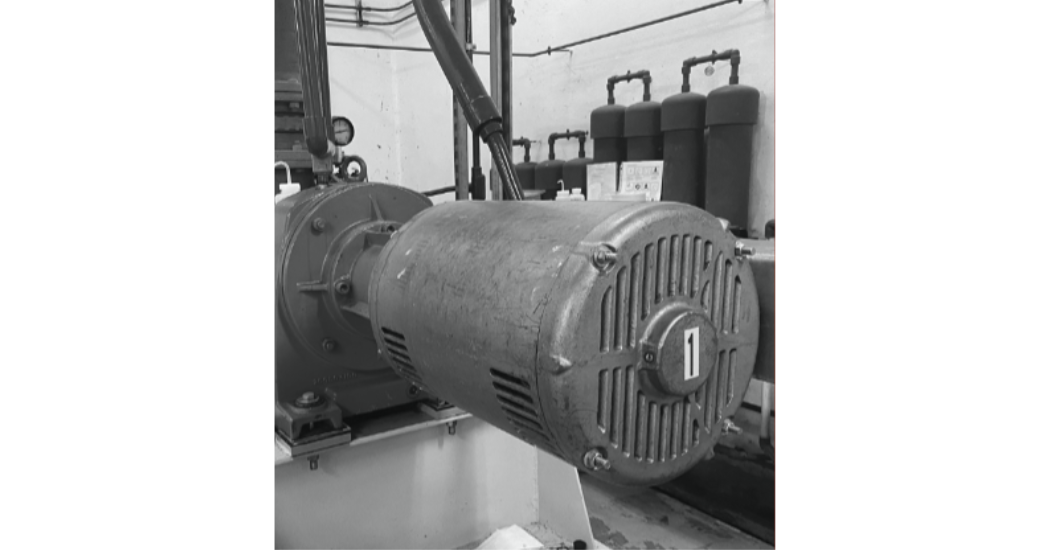
White papersTake Action Today To Improve Your Pump System Are you properly tracking in-feeds, flows, pressure and viscosity, process efficiency and changes to the pumping subsystem over time? Early fault detection based on motor power, along with proper intervention can protect your motors and pumps, improve efficiency, and extend their longevity even in the most dangerous and harmful conditions. And now, use this same data to improve energy efficiency, lower costs and improve reliability and uptime for your pumps. In Load Controls’ previous Whitepaper ‘Using Power Sensing to Monitor and Protect Pumps’ we detailed the advantages of implementing motor power sensing to a safe, well run pumping environment. Firms that measure motor power can sense and quickly react to failure conditions such as jams, clogs, dry running, cavitation, and broken impellers. This ability to diagnose failures greatly improves system uptime, and limits potentially expensive or dangerous impact of pump failures. In addition to these benefits, pump motor power monitoring can provide important insights into pumping efficiency, potential system improvements, and energy cost savings opportunities. This motor power data can also deliver early warnings of pump system degradation, enabling improved predictive maintenance and corresponding uptime benefits.