White papersThis is an overview of the implementation steps in a typical Preventive Maintenance (PM) improvement project. Most of the processes can be applied to a greenfield process. In fact, that may be easier to improve than an existing PM process.
White papersPumps and compressors are essential devices used in a wide range of industrial plants and buildings. They are the power source that make it possible to transport fluids in a system from one location to another with high levels of efficiency. The pharmaceutical, food and beverage, petrochemical, power generation, and specialty chemical industries rely on this equipment daily to keep fluids and gases flowing between processes in a seamless and interrupted manner.
White papersAdvanced seal technologies for CCUS and sCO2 applications support energy transition initiatives Companies increasingly are prioritizing energy transition initiatives to reduce greenhouse gas emissions known to cause climate change. They’re also taking significant steps to operate more efficiently. Traditional fossil fuels are expected to remain an essential feedstock for some time to keep up with energy demand; nonetheless, carbon dioxide (CO2) and other greenhouse gases emitted during industrial processes must be reduced. Critical technologies will enable this energy transition. Among them is carbon capture usage and storage (CCUS), in which CO2 emissions are captured from sources like coal-fired power plants and industrial processes. The CO2 is then reused on-site, shipped to other industrial users, or stored underground to prevent its release into the atmosphere.
White papersHydra-Cell Seal-less Pumps provide accurate and reliable custody transfer of crude oil, produced water, and NGL’s. They feature a compact design, require minimal maintenance, and are energy efficient. Hydra-Cell pumps are available in several models to match your requirements for flow capacity, pressure ratings, pump size, and budget. In addition, Wanner Engineering has a fully equipped testing facility to perform witnessed and non-witnessed tests for certification of Hydra-Cell pumps. A network of local distributors who have vast experience and expertise in the oil and gas industry are ready to assist you in every way. If needed, we can provide system design consultation, site visitations, and operational and maintenance training.
White papersLiquefied natural gas (LNG) will play a pivotal role as companies transition from coal and oil to cleaner energy sources during renewed efforts to significantly reduce the greenhouse gases that contribute to climate change. Nations, as well as businesses, are pursuing strategies for decarbonization to limit greenhouse gases. In response, natural gas is emerging as the fossil fuel of choice. Burning it emits up to 50% less carbon dioxide (CO2) emissions than coal. i That’s the value of natural gas as a primary feedstock for energy production and conversion to hydrogen.
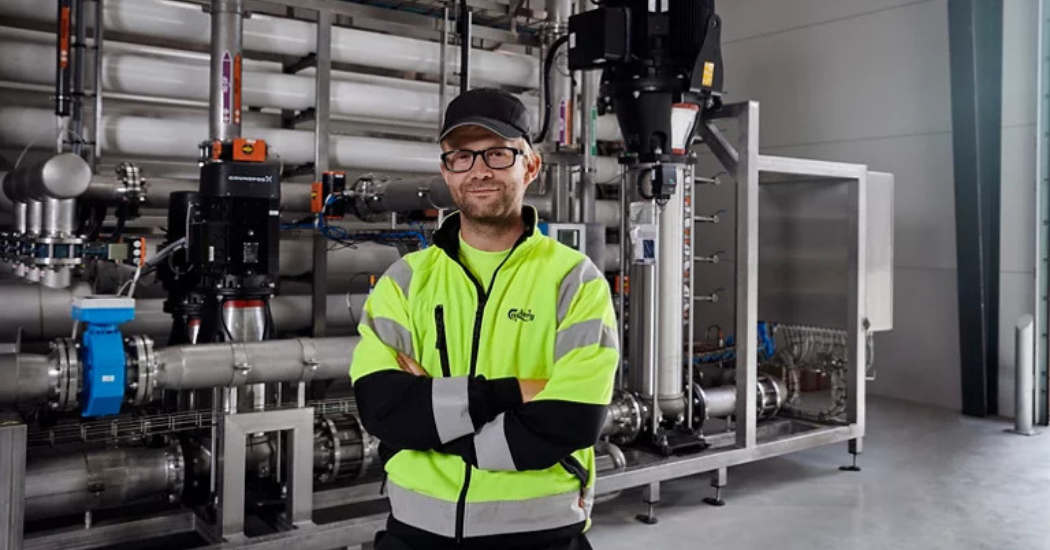
White papersCarlsberg brewery wants to cut its water use by 50% by 2030. The initiative, Zero Water Waste, is part of Carlsberg’s Together Towards Zero program. In its production facility in Fredericia, Denmark, Carlsberg has developed a Total Water Management treatment plant with consultants, universities and technology providers like Grundfos. The onsite facility treats used process water from mainly cleaning purposes, purifies it to drinking water quality and sends it back to the brewery to be reused as process water. The plant recovers and reuses 90% of its process water. The situation Water is an essential ingredient to produce beer. No water, no beer. Most of the water used traditionally, however, does not end up in the beer. At the Carlsberg facility in Fredericia, Denmark, around 60-65% of the total water usage goes mainly to cleaning purposes. This includes everything from equipment, floors, and surfaces to pipes and tanks to bottle and can washers and more, including cooling towers and boiler plants. This is called process water. “Water consumption in breweries is related to the hygiene. Historically, there’s been a lot of emphasis to when you’re producing food, you need to do that with a lot of water,” says Søren Nøhr Bak, Expertise Director of Water in Food and Beverage at NIRAS, Carlsberg’s engineering consultancy partner. “Actually, going back in time, brewers would be bragging about how much water they were using, because that was an indicator of how clean it actually was. Today, that doesn’t work.” The Carlsberg Group was using 3.4 litres of water per litre of beer produced globally in 2015, according to Tenna Skov Thorsted, Carlsberg Denmark’s Sustainability Manager. “Our ambition was to bring it down to below 1.7,” she says, or reducing water consumption by 50% across Carlsberg Group by 2030. This ambition came from the company’s Together Towards Zero sustainability program, which calls for zero water waste by 2030, among other sustainability targets.
White papersResilience is the ability to cope with, and recover from, disruption and to anticipate trends and variability in order to maintain services for people and protect the natural environment now and in the future. Resilience lies at the heart of the future water industry. And yet, advances in variable speed drive (VSD) and motor technology could mean that specifications used by water industry consultants, contractors or designers may be out of date. With pumps being the largest energy consumer within the water industry, it is critical that the selection of VSDs and motors are decided against a clear understanding of just how the technology has evolved. Challenges presented by cybersecurity, electrical system efficiency, turbidity and harmonics are just some of areas which impact on plant resilience and can be resolved using the latest VSD and motor technology. This checklist details the key considerations when selecting VSDs for water and wastewater industry applications.
White papersWater demand is continuing to increase as the global population grows. Clean water is required by people for drinking, cooking, and washing, and by industrial facilities for cooling and other processes. Moreover, agriculture is also a major consumer of water, with irrigation using about 70% of the world’s freshwater. This White Paper takes a look at ways to reduce energy use and improve efficiency across the water industry.
White papersIn 2020, Trinity Manufacturing, a premier manufacturer of specialty agriculture and water treatment chemicals, engaged Everactive to help deliver on its safety, sustainability, and operational cost savings goals. Year One results: Industry: Chemical Process Location: Hamlet, NC Coverage: 95% ROI: 288% CO₂ savings: 856 metric tons Energy savings: 21,118 MMBTUs

White papersIt is estimated that by 2050, the global population will rise to 9.7 billion, from 7.7 billion in 2019. The global economy is expected to more than double over the same period. Urbanization, automation, and the rise of living standards will increase the demand for energy globally. More than half of the world’s population now lives in cities and towns, and the United Nations projects that the global urban population will increase to around 68% by 2050. If we continue with business as usual, this scale of expansion will accelerate climate change, and degrade the quality of air and water upon which all living organisms depend. To protect the environment without tempering economic growth, we need to redouble our commitment to reducing the consumption of energy and natural resources. In keeping with global trends, the demand for electric motion, i.e., drive systems powered by electric motors, is expected to grow significantly. According to the IEA, industry accounts for 37% of global energy use and 24% of global CO2 emissions, and buildings account for around 30% of energy consumption and 28% of CO2 emissions. A large proportion of this activity is associated with electric motors. It is estimated that roughly 70% of electricity consumed by industry is used by electric motor systems. In commercial buildings, 38% of electric energy consumption is for motors.
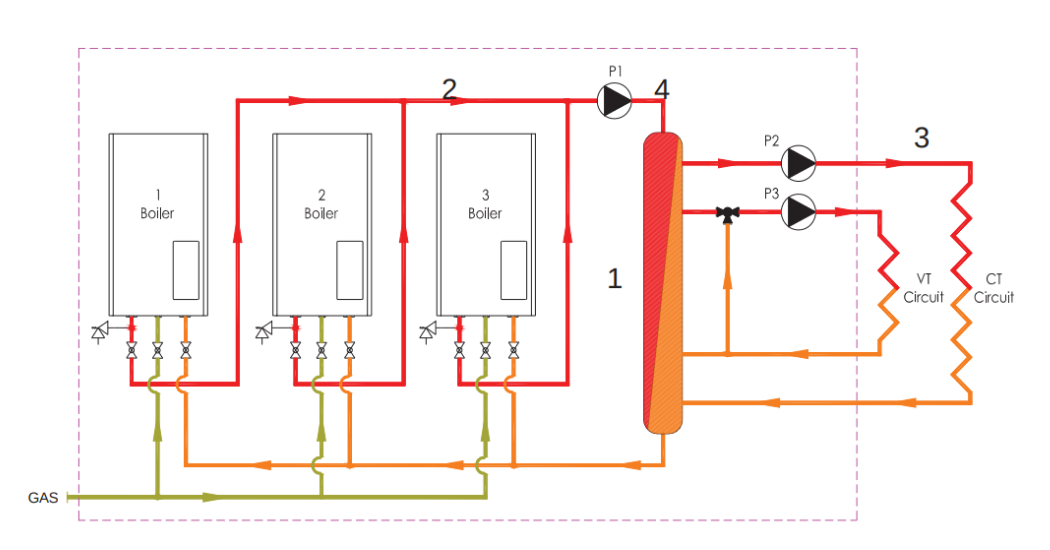
White papersThe incorporation of zero carbon or renewable technologies in modern buildings is moving from the fringe into the mainstream. Many system designs now attempt to marry biomass or heat pumps or solar thermal with more conventional, low carbon technologies like gas fired condensing boilers as back-up. Unfortunately, a very high proportion of these designs fail to achieve the high operating efficiencies possible because the two technologies (low and zero carbon) have not been correctly integrated. It is just not sufficient to ‘bolt-on’ a zero carbon system to a condensing boiler system and expect improved efficiencies and reduced energy bills. Integration is much more than simple addition. It is a cohesive, co-ordinated and harmonious whole. If LZC equipment and system design are not properly integrated there is the danger of… Increased first life cost Operational and maintenance problems Increased whole life cost Failure to deliver financial return on assets …and all the associated economic and commercial risk factors these imply.
White paperOvercoming Clean-In-Place Challenges in Hygienic Applications with Mouvex® H-FLO Series Pumps
White papersClean-In-Place (CIP) Challenges There are numerous challenges that must be overcome when cleaning a hygienic pump installation. This is especially true when using a clean-in-place (CIP) method. CIP involves a variety of cleaning and rinsing fluids that are dispensed from a CIP system, which could include a tank, dosing installation, controls and a CIP pump. The pump pushes different fluids (acid solutions, alkaline solutions, sanitizers, water, etc.) through piping, valves, filters and the process pump. Typical phases of CIP include: Removal of gross debris/product recovery Pre-Rinse Detergent recirculation Intermediate rinse Second detergent recirculation Intermediate rinse Disinfection Final rinse