Lessons From the Field on Diagnosing Hydraulic Pump Failure and Repair Solutions
Unplanned hydraulic pump downtime can cause financial losses related to lost production and emergency repairs.
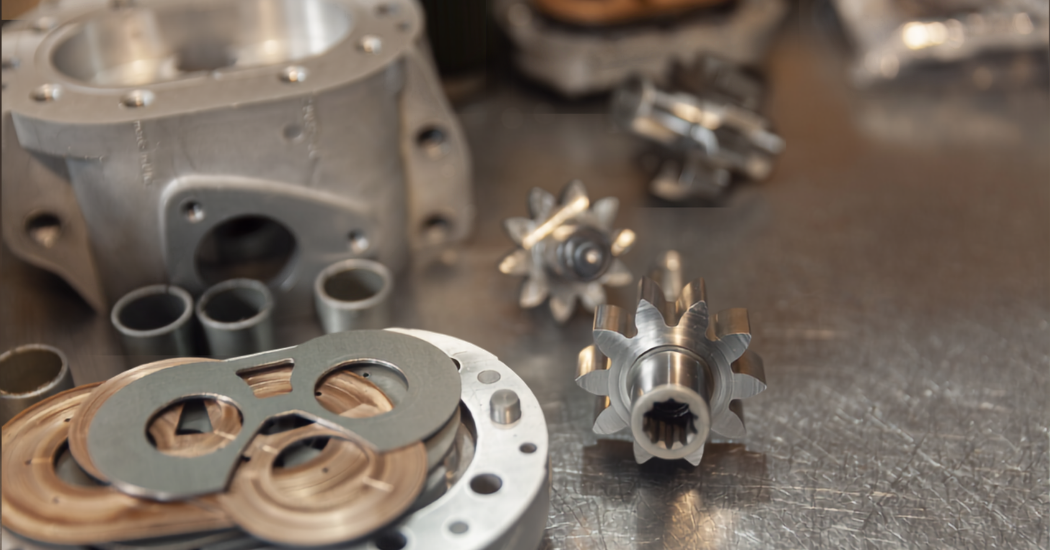
Unplanned hydraulic pump downtime can cause financial losses related to lost production and emergency repairs. For industry professionals managing high-stakes operations, the difference between a quick fix and chronic failure often hinges on accurate root cause diagnosis.
Advanced diagnostic tactics go beyond surface-level component replacement to identify the underlying system issues that drive premature pump failure.
The Shift Toward Root Cause Analysis
The hydraulic repair sector is moving away from reactive part replacement toward comprehensive diagnostics that address underlying failure modes. Rebuilding a failed pump without investigating contamination sources or circuit misalignment often leads to repeat failures within months of the initial repair.
Allied Hydraulic advises evaluating the entire hydraulic system before disconnecting any components, noting that visible damage to a pump often indicates deeper upstream problems.
This diagnostic evolution reflects industry growth. Analysts project the global hydraulic components repair services market will reach $1.23 billion in 2026, driven by end-users demanding longer service life. End-users increasingly favor repair providers demonstrating forensic-level troubleshooting capabilities over standard rebuild services.
Essential Diagnostic Steps for Field Technicians
A structured troubleshooting sequence prevents guesswork and reduces the likelihood of condemning serviceable components while missing the actual fault.
Evaluating Fluid Health and Operating Temperatures
Fluid contamination and thermal degradation are common causes of premature hydraulic pump failures. Technicians should check for a milky appearance, indicating water intrusion or a burnt odor signaling thermal breakdown. Verifying that the installed fluid matches the manufacturer’s viscosity grade is key, as using oil that is too thin accelerates wear on rotating assemblies.
Temperature monitoring reveals overheating before failure occurs. Global Electronic Services notes that any time oil runs through the system over 180° Fahrenheit, damage can rapidly occur to seals and hoses. Field teams should use infrared thermometers to check reservoir temperature under load and compare readings against the rated operating range.
Decoding Abnormal System Noises
Listening to the pump operation provides immediate clues about the internal condition before committing to a full teardown. A high-pitched whine indicates the pump is starving for oil due to cavitation, while a sharp rhythmic knock points to trapped air expanding inside the chamber.
Hydraulic Pump Supply explains distinguishing between cavitation and aeration is key because remedies differ significantly. Cavitation requires addressing suction line restrictions. Aeration demands tracking down leaks on the intake side. Metallic grinding sounds suggest bearing failure or advanced wear, warranting immediate shutdown to prevent secondary damage.
Isolating Leaks Through Pressure Testing
Checking standby and main relief valve pressures against manufacturer specifications helps isolate whether performance loss stems from internal wear or external valve leakage. Improper relief settings can overload a pump by forcing it to work against excessive backpressure, leading to seal failure and overheating. FridayParts recommends a structured sequence of basic pressure testing under controlled load to avoid guessing which part has failed.
Confirming Output With Flow Meter Diagnostics
Flow measurement provides the cleanest confirmation of pump output. For piston pumps, case drain flow offers a strong indicator of wear on the rotating group. An increase in case drain flow alongside a drop in output signals serious degradation, often indicating worn piston bores or damaged valve plates that require precision machining or replacement.
Is It Better to Repair or Replace an Industrial Hydraulic Pump?
The repair-versus-replacement decision depends on failure mode, operating hours and the availability of critical replacement parts. Repairing is often the most cost-effective choice when specific conditions are met:
- Localized contamination damage: Failures affecting only seals or a single component group without scoring on cylinder blocks will respond well to hydraulic pump repair, restoring full function at a fraction of the replacement cost.
- Low to moderate operating hours: Pumps with no history of repeat failures are strong repair candidates, especially when the root cause has been identified and corrected.
Full replacement is necessary when heavy scoring is present on cylinder blocks or when the pump has reached the end of its expected service life. Attempting to repair extensively worn surfaces often results in substandard performance.
How to Choose a Hydraulic Pump Repair Service for Industrial Equipment
Selecting the right repair partner requires evaluating technical capabilities that extend beyond basic rebuild services.
Key selection criteria include:
- Comprehensive forensic teardowns: Professionals should look for providers who perform dimensional checks on all critical surfaces during disassembly. This scrutiny identifies wear patterns and root causes that standard inspections miss.
- In-house machining capacity: Shops with precision machining equipment can restore components to OEM tolerances through reconditioning. This capability allows them to repair rather than simply replace expensive parts.
- In-service warranties: Strong warranty coverage demonstrates confidence in repair quality and protects against premature re-failure. Technicians should verify warranty terms cover both parts and labor.
- Root-cause correction focus: The best repair providers prioritize identifying and addressing systemic issues before returning equipment to service. This approach prevents repeat failures and extends service intervals.
Frequently Asked Questions About Hydraulic Pump Repair
Field technicians frequently encounter similar diagnostic challenges in high-pressure hydraulic systems.
What is the most common cause of premature pump failure?
Fluid contamination—both particulate and water-based—is the leading cause of premature hydraulic pump failure. Particulate matter from worn components or external ingress acts as an abrasive, accelerating wear on precision surfaces. Water breaks down fluid additives and promotes corrosion on internal components.
Can you fix a pump that has suffered cavitation damage?
Repairing cavitation damage depends on the severity of erosion. Light pitting on valve plates or piston shoes can often be machined and refinished. Severe erosion that compromises structural integrity or dimensional tolerances typically requires component replacement or full pump replacement.
How often should hydraulic fluid be analyzed?
Operations teams should conduct fluid analysis every 500 to 1,000 operating hours, depending on system criticality and operating conditions. High-contamination environments warrant more frequent testing to catch degradation before it causes component damage.
Keeping the Operation Moving Forward
Disciplined troubleshooting and root cause analysis separate short-term fixes from lasting solutions in hydraulic system maintenance. Identifying the true source of pump failure prevents costly repeat downtime and extends equipment service life across the operation.
Comprehensive diagnostics deliver measurable returns, like improved reliability and reduced total cost of ownership.