Eliminating Micro-Leaks by Upgrading to Consolidated Hydraulic Flow Control Blocks
In many industrial plants, a slow drip is considered a minor nuisance. In reality, it’s a critical, system-killing failure. You shouldn’t ignore leaks.
In many industrial plants, a slow drip is considered a minor nuisance. In reality, it’s a critical, system-killing failure. You shouldn’t ignore leaks. They signal system decline and, when left unaddressed, drain maintenance budgets while sapping the life out of otherwise healthy equipment.
The industry has normalized weeping fittings, but this acceptance comes at a steep cost — one that impacts equipment longevity, operational efficiency and your bottom line. Luckily, there is a simple solution. With consolidated hydraulic flow control blocks, you can eliminate micro-leaks for good.
The Unspoken Consensus to Ignore Weeping Fittings
Despite being a common cause of downtime, teams dismiss hydraulic leaks as minor nuisances rather than critical failure indicators. Small leaks typically don’t immediately halt production, so maintenance teams defer repairs in favor of more urgent issues. Leaving the leaks unaddressed creates a dangerous pattern of acceptance.
A micro-leak is a persistent, low-volume leak that operators are conditioned to accept. It’s the fitting that weeps a few drops per minute, the connection that leaves a small puddle by the end of a shift or the seal that creates a slow, steady drip. These leaks rarely trigger immediate action, yet they represent a systemic failure that compounds over time.
What Industrial Plants Truly Pay for a Micro-Leak
The true cost of a micro-leak extends far beyond lost fluid. These seemingly insignificant drips create direct financial drain, accelerate equipment wear and introduce compounding operational risks that impact your entire hydraulic system.
The Financial Drain of Downtime and Fluid Loss
Consider the math behind a single drip. One valve dripping once per second leaks around one-quarter of a milliliter per drop, totaling 2,028 gallons of fluid wasted every year. When that fluid is premium hydraulic oil, a single micro-leak can cost thousands of dollars annually in replacement fluid alone.
If left unaddressed, the leak can accelerate system wear, leading to sudden, unexpected breakdowns. Heavy industry has seen a fourfold increase in unplanned downtime over the past five years, costing small and medium-sized businesses up to $150,000 per hour. When apathy toward micro-leaks leads to catastrophic failure, these are the stakes you’re facing.
Even Small Leaks Accelerate Component Failure
Even a micro-leak allows impurities to enter hydraulic lines. This contamination, combined with heat generated by internal leaks, degrades fluid quality and damages downstream components. The leak you’re ignoring today is artificially aging your entire system.
By reducing fluid volume, leaks cause cavitation. Forcing the system to work harder accelerates seal failure and leads to overheating. The service life of oil can decrease by 50% for every 14° Fahrenheit rise in temperature. This thermal degradation forces more frequent and costly fluid changes while accelerating wear on pumps, valves and actuators.
Compounding Safety and Contamination Risks
Personnel and environmental risks add another layer of concern. Pooled hydraulic oil creates slip-and-fall hazards on plant floors. High-pressure fluid injection injuries, though rare, can occur when workers come into contact with pinhole leaks under pressure. Environmental compliance costs mount when leaked fluid requires cleanup and proper disposal. Repeated spills can trigger regulatory scrutiny and fines.
How Consolidated Hydraulic Flow Control Blocks Help
System consolidation offers the most effective path to eliminate the root cause of most external leaks — the connections themselves. By reducing connection points, you address fundamental design flaws and eliminate micro-leaks.
Addressing Inherent Flaws in Complex Systems
A typical complex hydraulic system comprises a web of hoses, fittings and connection points. Each threaded fitting, flanged connection and hose coupling represents a potential failure point and a source for future micro-leaks. Vibration loosens fittings over time. Temperature cycling causes expansion and contraction that compromises seals. Age and contamination degrade O-rings and gaskets. The more connections there are, the more opportunities for failure exist.
Hydraulic Manifolds Ensure a Leak-Free System
The hydraulic manifold provides an engineered solution to this challenge. This single, solid, metal body houses, connects and organizes multiple hydraulic flow control valves into a single, centralized unit. It eliminates the mess of hoses, pipes and fittings to connect individual components by utilizing precisely machined passages to direct hydraulic fluid.
The primary benefit is the elimination of leak points by minimizing the number of threaded or flanged connections between components. Fewer connections mean fewer opportunities for the micro-leaks that plague conventional hydraulic installations. Moreover, fluids travel the shorter paths much faster, decreasing the risk of pressure drop and heat fluctuations.
The Long-Term ROI of Consolidated Flow Control
The benefits extend well beyond stopping leaks. Consolidated hydraulic flow control significantly reduces installation time by eliminating the need to route and secure dozens of individual hoses. The smaller system footprint frees valuable floor space in your facility. These systems are lightweight and compact, saving space and minimizing energy costs.
Most importantly, you gain significantly higher overall system reliability and uptime, which directly improves your production capacity and profitability. Decreased maintenance needs translate to lower labor costs and fewer unplanned interventions.
It’s Time for You to Eliminate Micro-Leaks for Good
Ignoring leaks is a costly mistake that your facility can no longer afford. The financial impact, equipment degradation and safety risks demand a more proactive approach. Consolidating hydraulic flow control with manifolds is the definitive solution. You can protect equipment, preserve your maintenance budgets and eliminate micro-leaks.
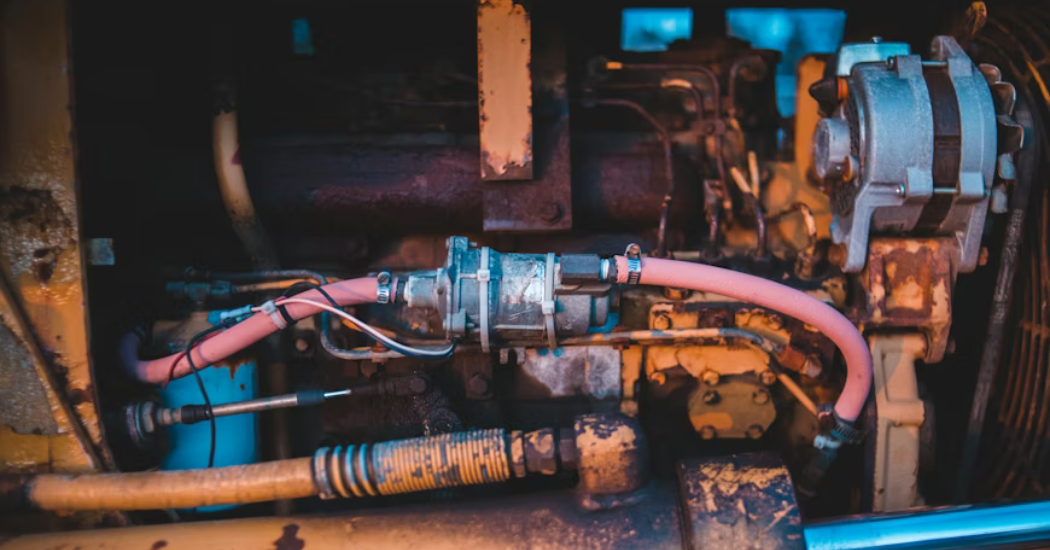
Image from by Erik Mclean on Unsplash