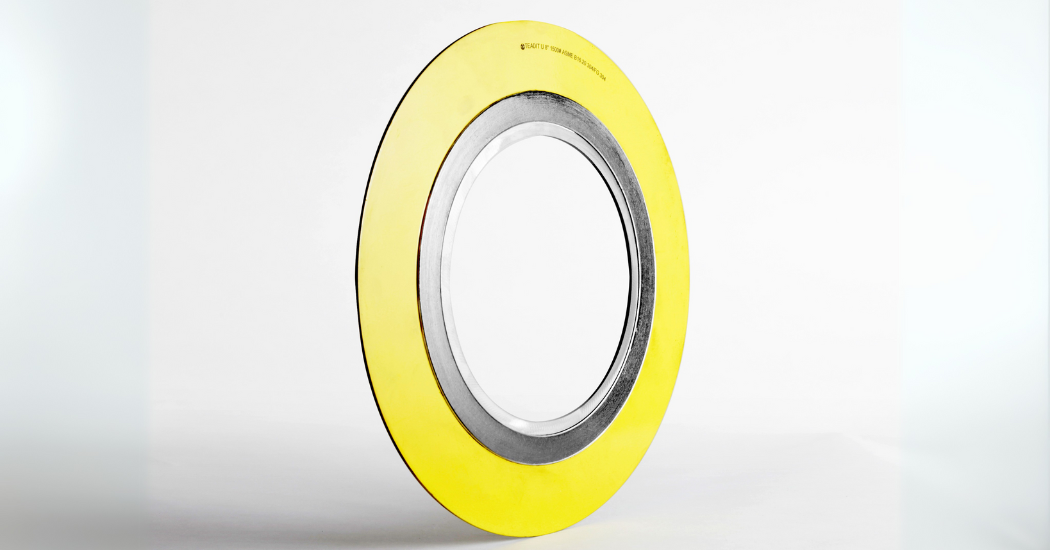
Spiral wound gaskets (SWGs) play a crucial role in sealing applications, especially in industries aiming to meet low-emission compliance goals or reduce product losses to improve operational efficiency.
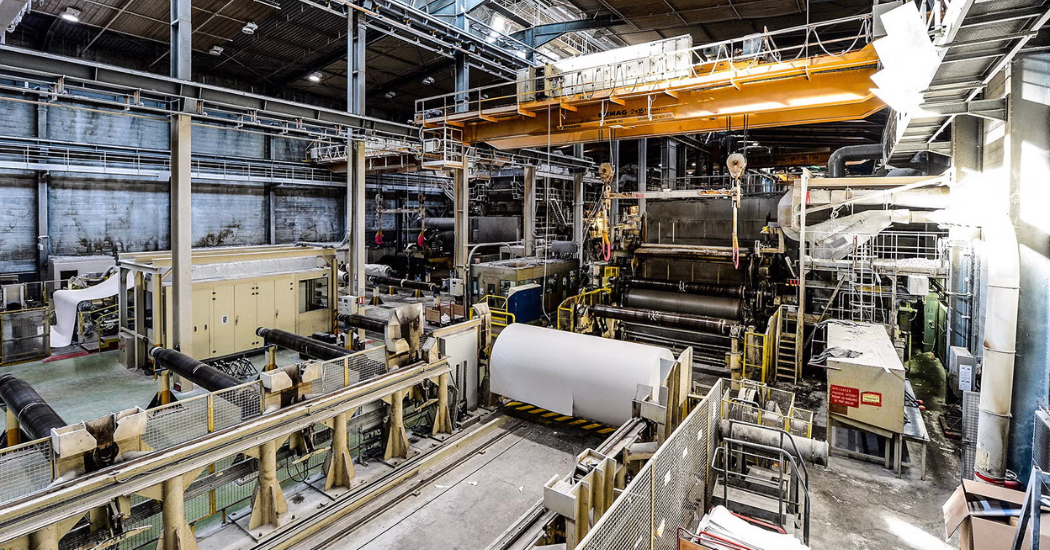
The pulp and paper industry is under pressure to improve equipment reliability, increase operational profitability, and reduce water consumption for more sustainable production.
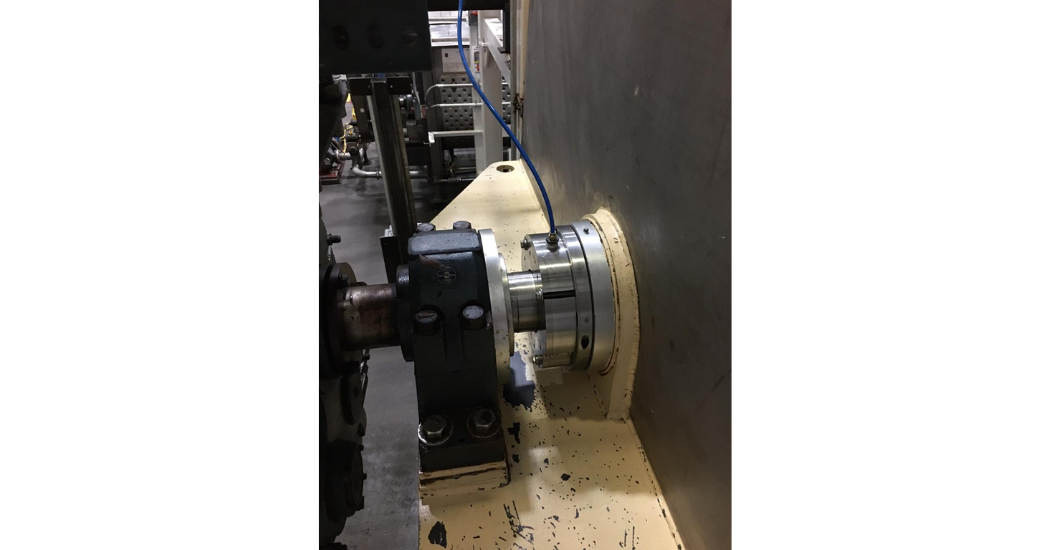
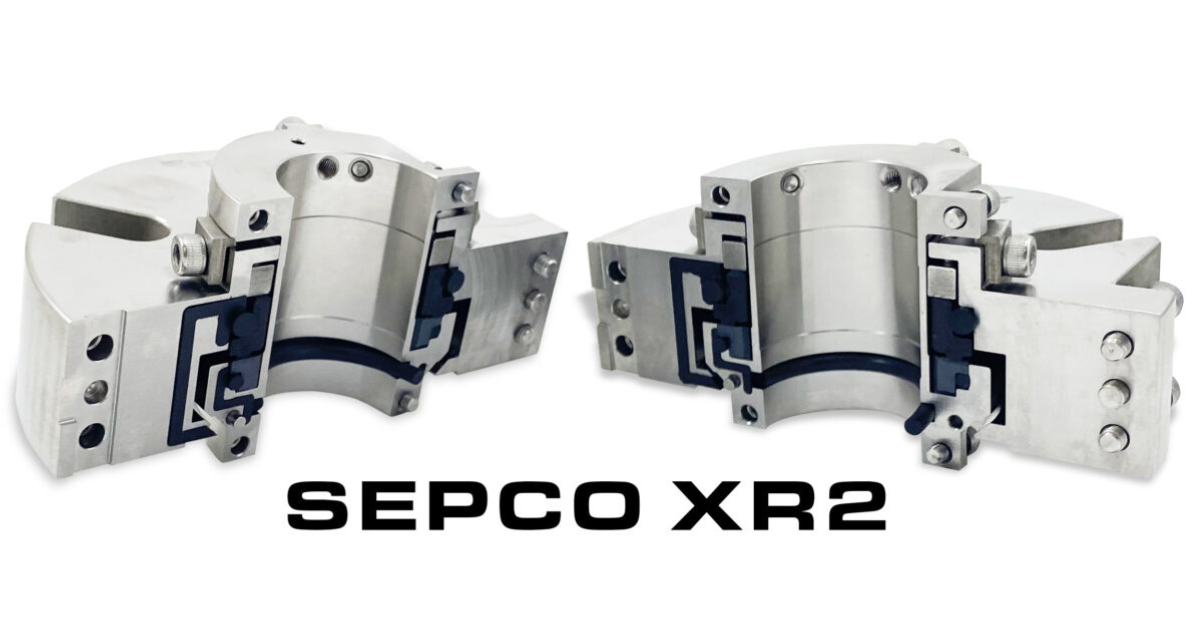
Installing mechanical split seals on rotating equipment isn’t just a task—it’s a precision process. Done correctly, it helps ensure optimal equipment performance, prevents costly leaks, and extends operational lifespan.
As the name suggests, antiwear additives help to prevent wear in one way or another. However, what makes them unique compared to other additives in lubricants?
The evolution of the aerospace industry demands solutions that combine performance, durability, and efficiency to meet the growing requirements of increasingly complex systems.
Here are some effective ways to ensure safe and compliant railcar sealing. Why It Matters Railcars transport essential materials over long distances, including chemicals, gases, and industrial products.
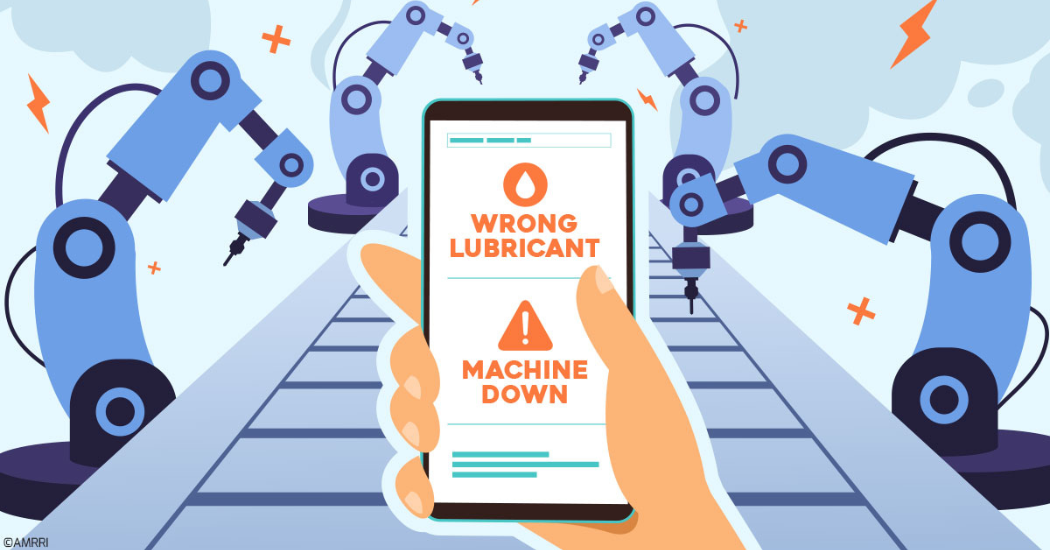
Many lubrication engineers are faced with finding the most appropriate lubricant for an application. Therefore, they are tasked with selecting the “right” lubricant; subsequently, their decision can influence several outcomes.