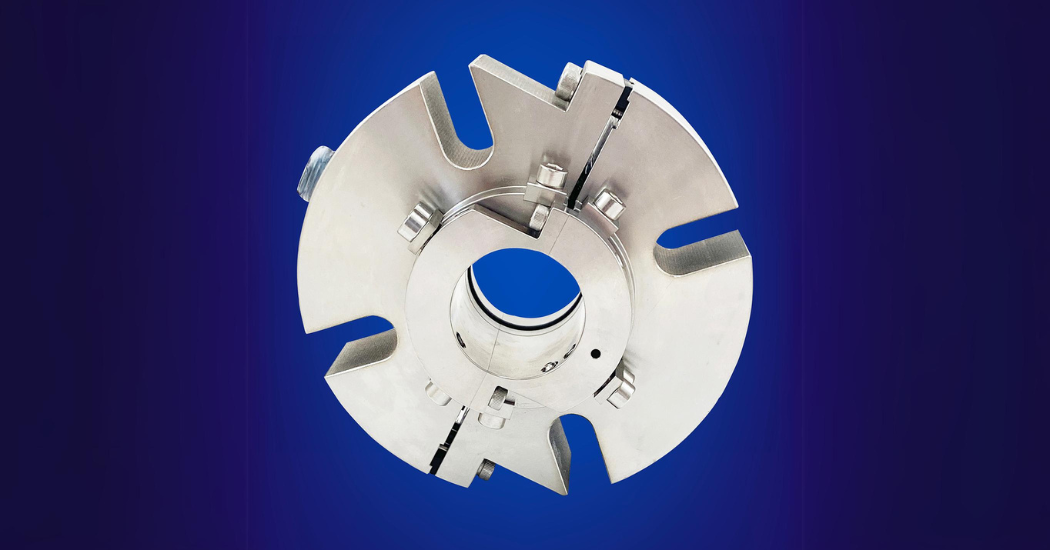
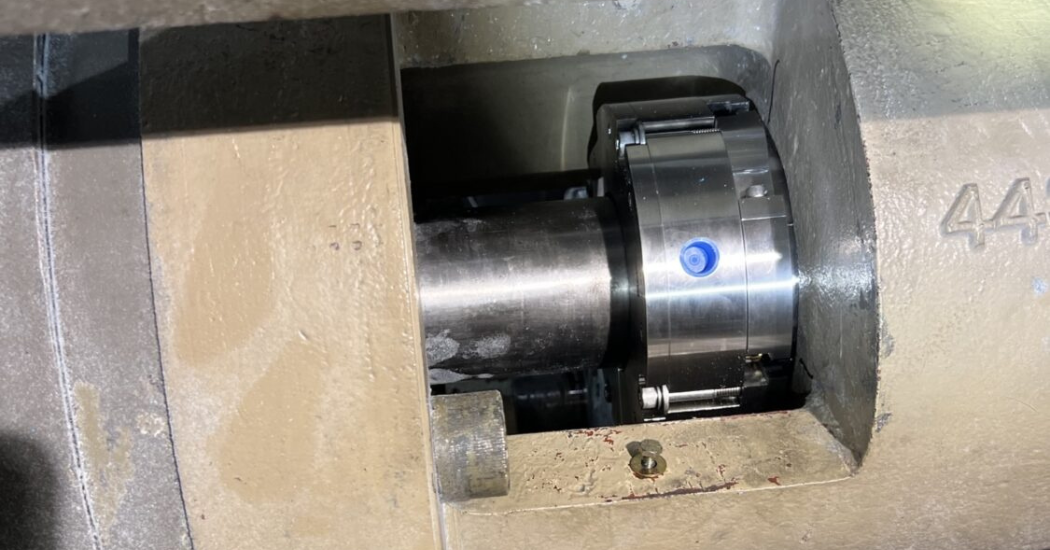
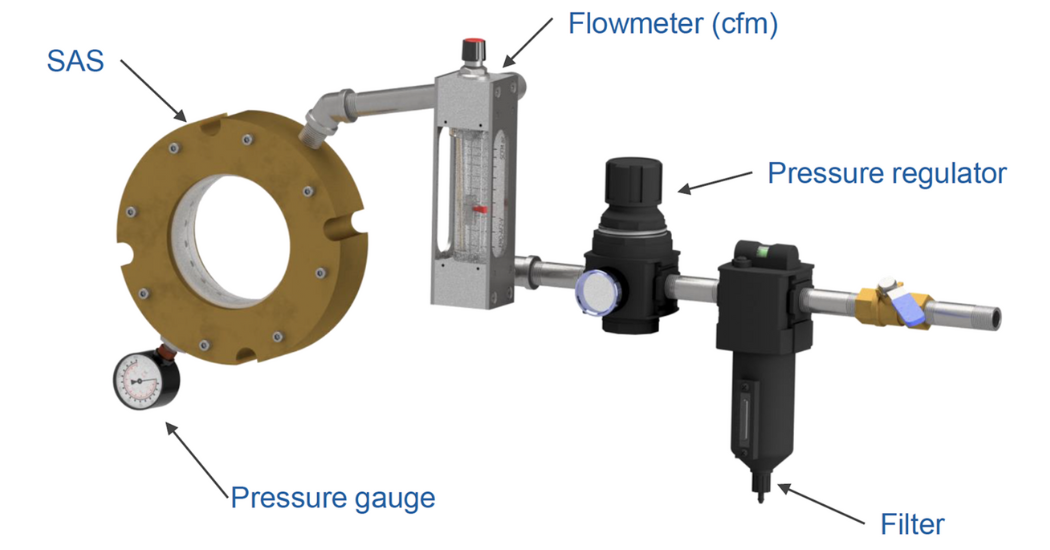
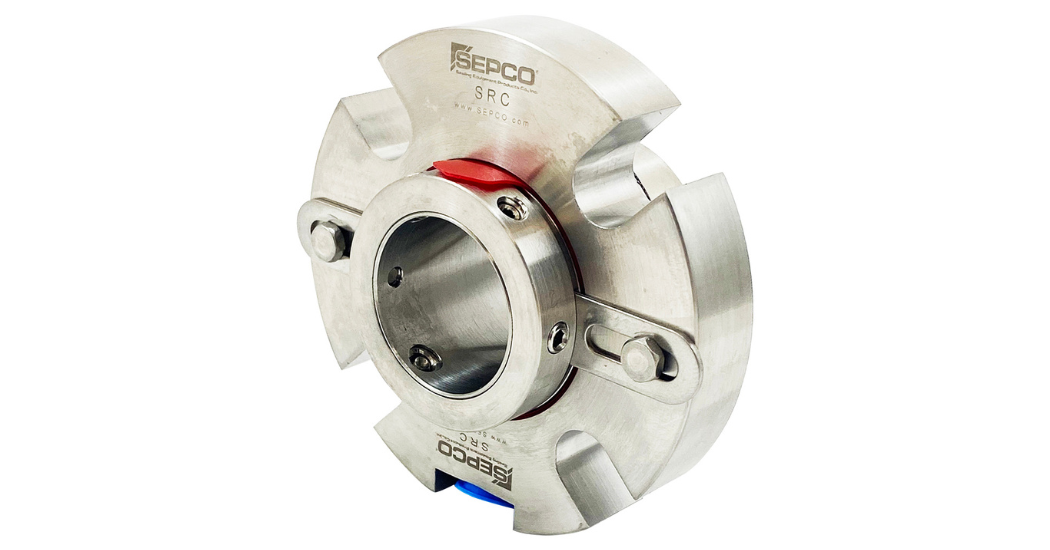
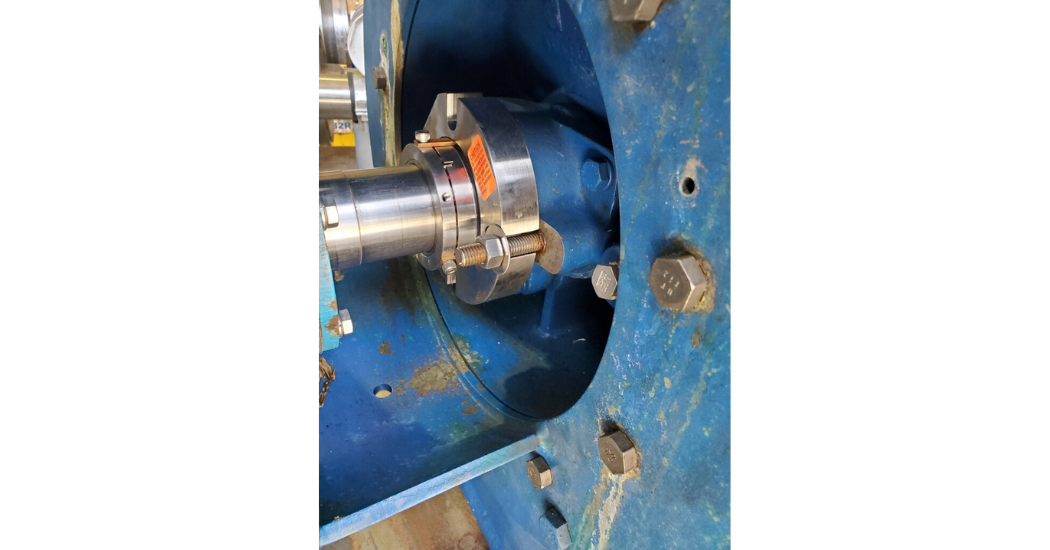
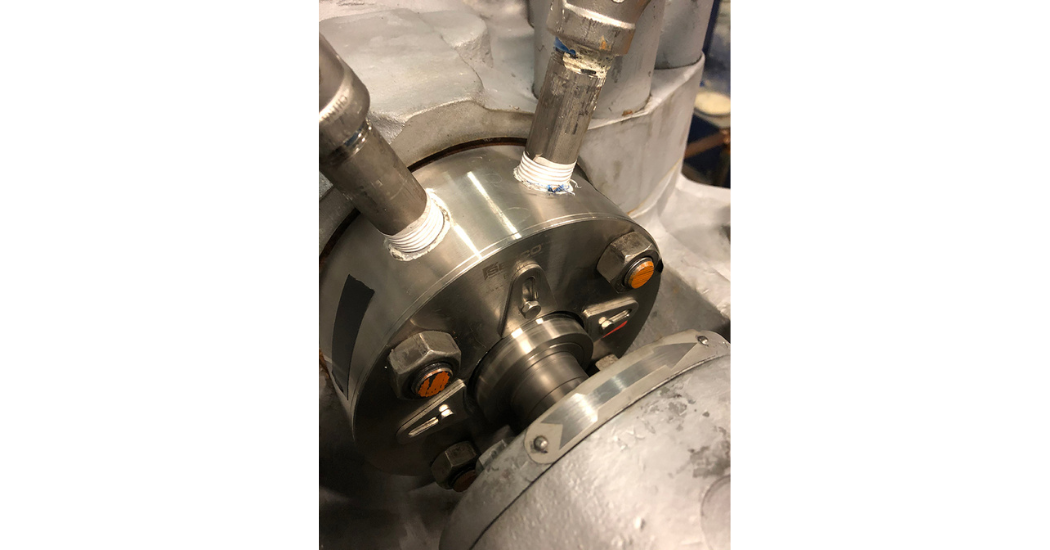
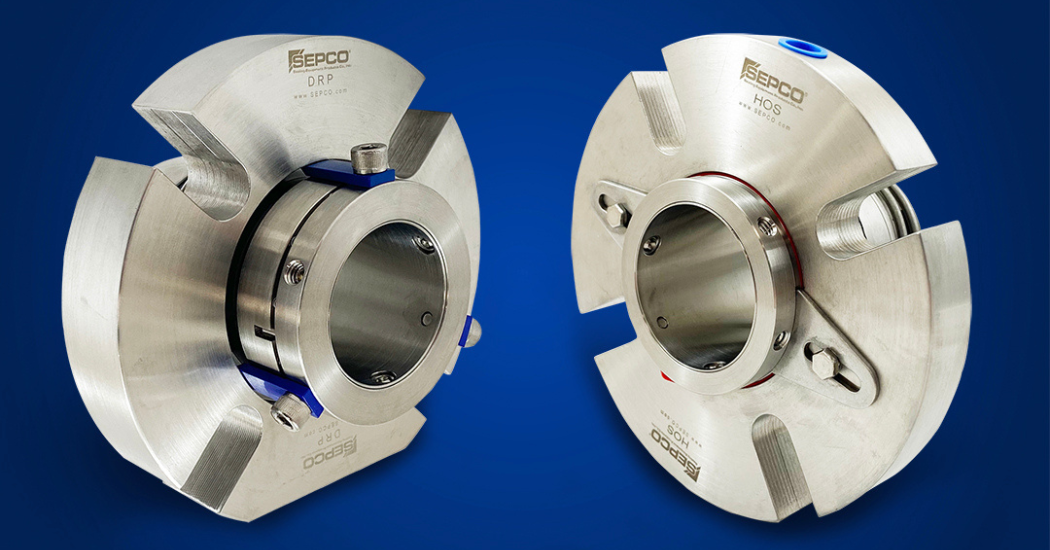
Fluid SealingInstalling mechanical split seals in rotating equipment demands careful attention to detail, precision, and strict adherence to best practices to guarantee optimal performance and extended lifespan.
Fluid SealingSealing systems for handling powders and bulk solids pose unique challenges, largely due to the abrasive nature and physical characteristics of these materials.
Fluid SealingIntroduction Industries such as pulp and paper, chemicals, pharmaceuticals, and food and beverage face substantial sealing challenges when handling dry powders and bulk solids.
Fluid SealingBoth split and cartridge seals are effective fluid sealing options when used in the right application. However, they are different types of mechanical seals, each made for specific scenarios.
Fluid SealingThe maximum allowable leakage rate for mechanical seals depends on various factors, such as the application, fluid type, operating conditions, and industry standards.
Fluid SealingFugitive emissions from industrial valve systems present major environmental and regulatory challenges, especially in the oil and gas, chemical processing, and petrochemical industries.
Fluid SealingInstalling a mechanical seal is a crucial task that demands precision and attention to detail to ensure optimal performance and efficiency.
Product · Metcar®
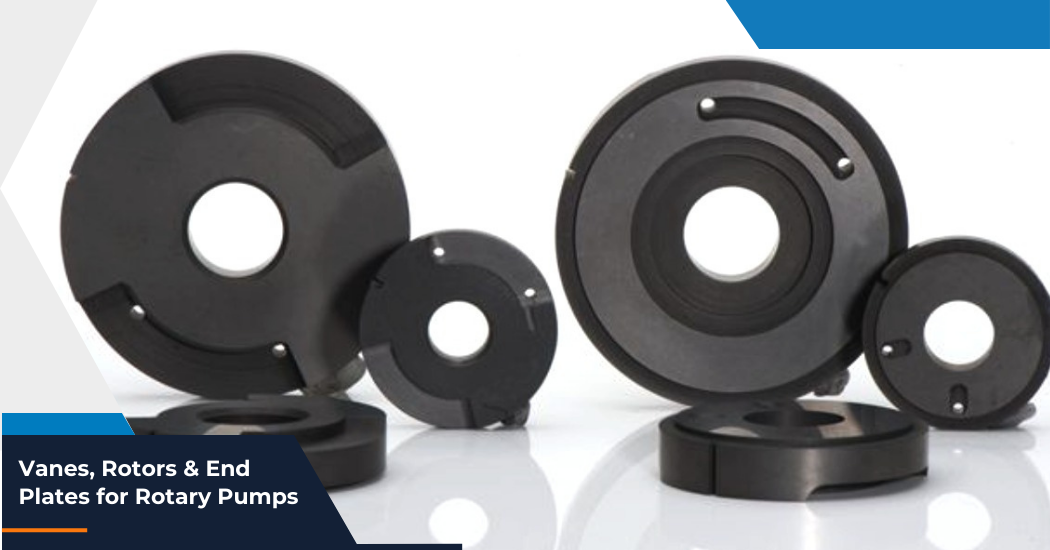
Carbon graphite materials are used extensively vanes, rotors, and end plates in rotary vane pumps pumping both liquids and gases.
Fluid SealingMechanical seals are crucial for equipment handling ethanol, particularly in industries where the fluid’s volatile and corrosive properties require highly reliable sealing solutions.
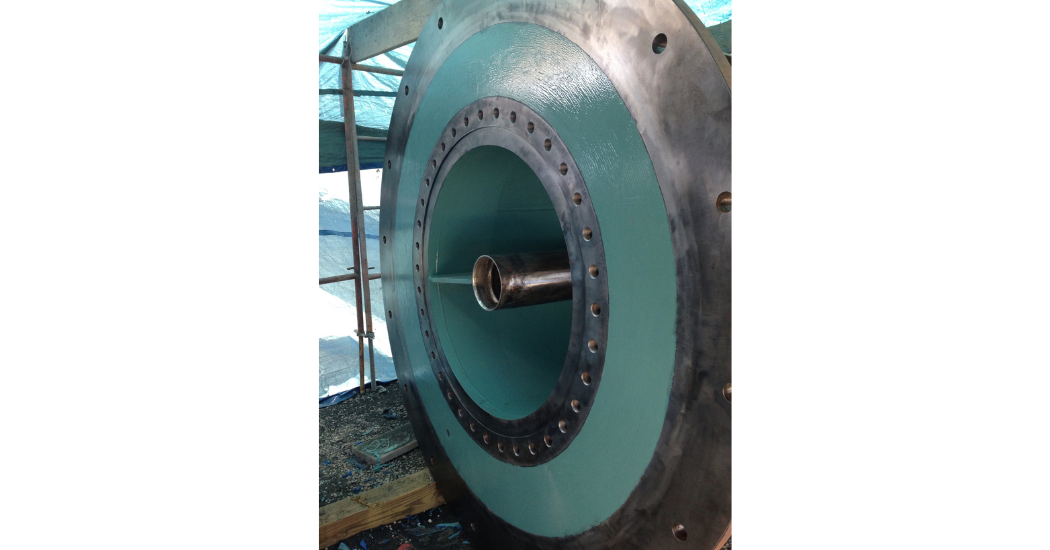
Fluid SealingExtreme forces such as abrasion, erosion, impact, and chemicals can attack industrial equipment and plant assets, drastically affecting reliability and overall plant profitability.
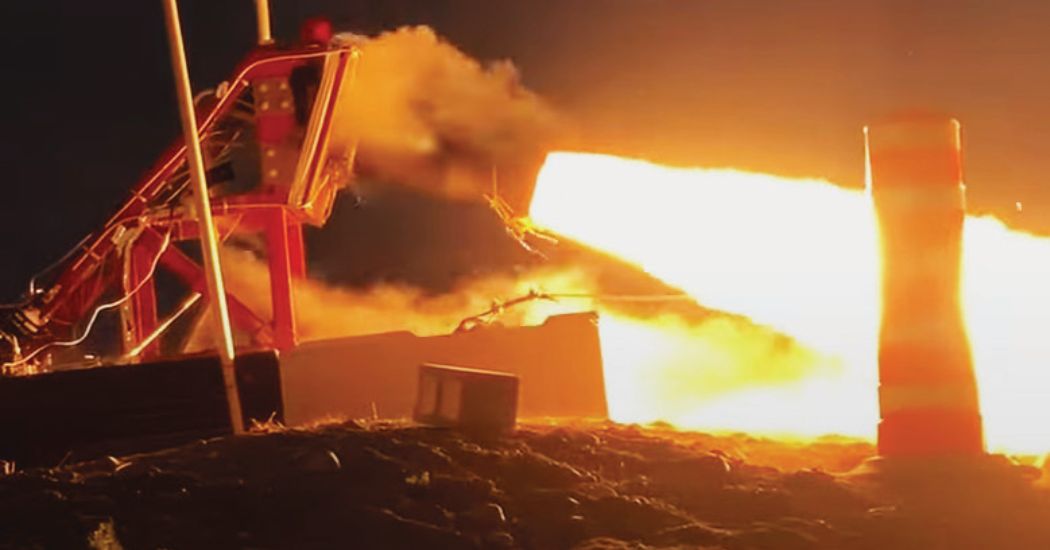
Fluid SealingEnd-User Description Space Concordia, Concordia University’s student rocket team. Using gaskets for cryogenic insulation of the engine’s fuel injector manifold.