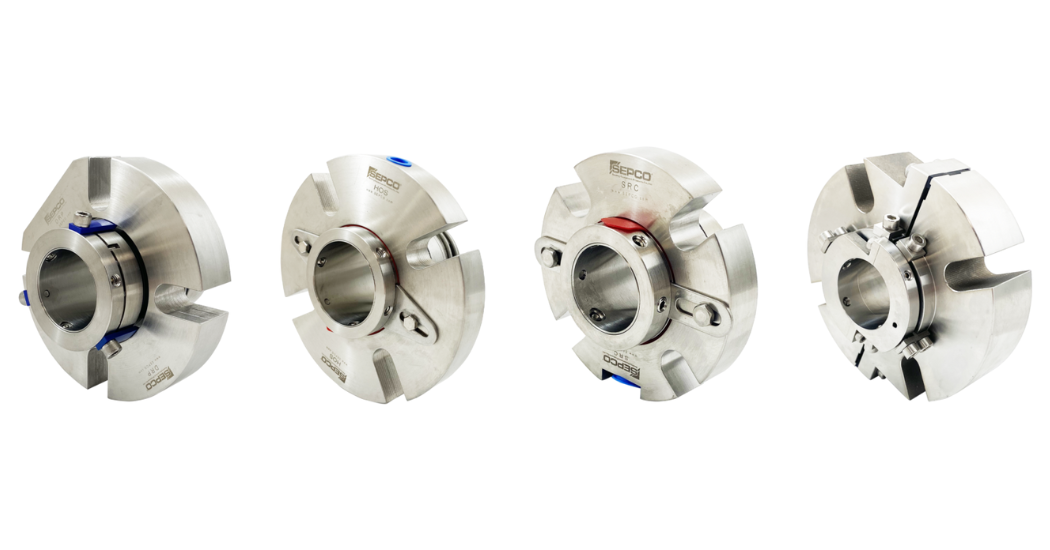
Mechanical seals play a vital role in maintaining the integrity and efficiency of industrial systems. The main types to consider are single spring seals, component seals, and cartridge seals.
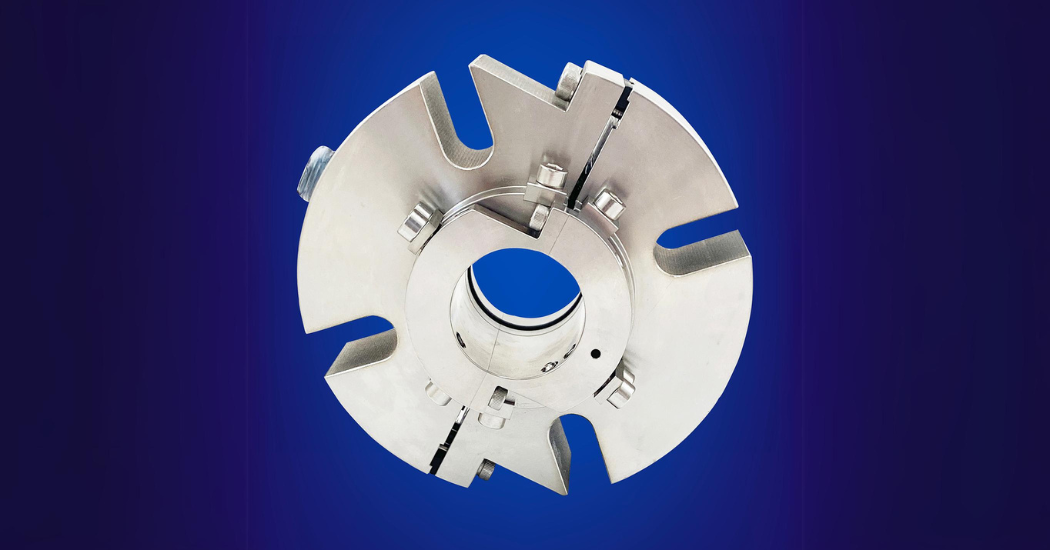
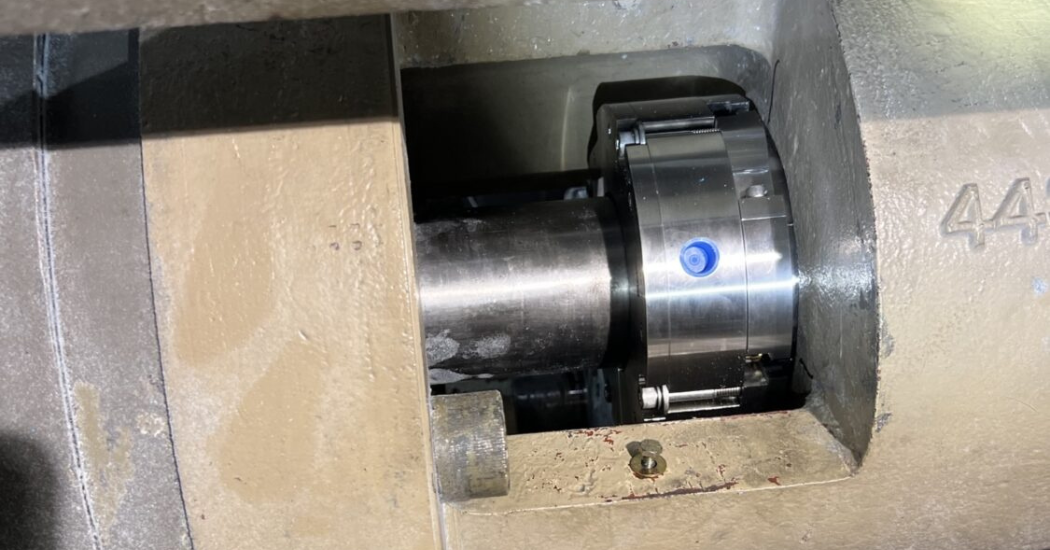
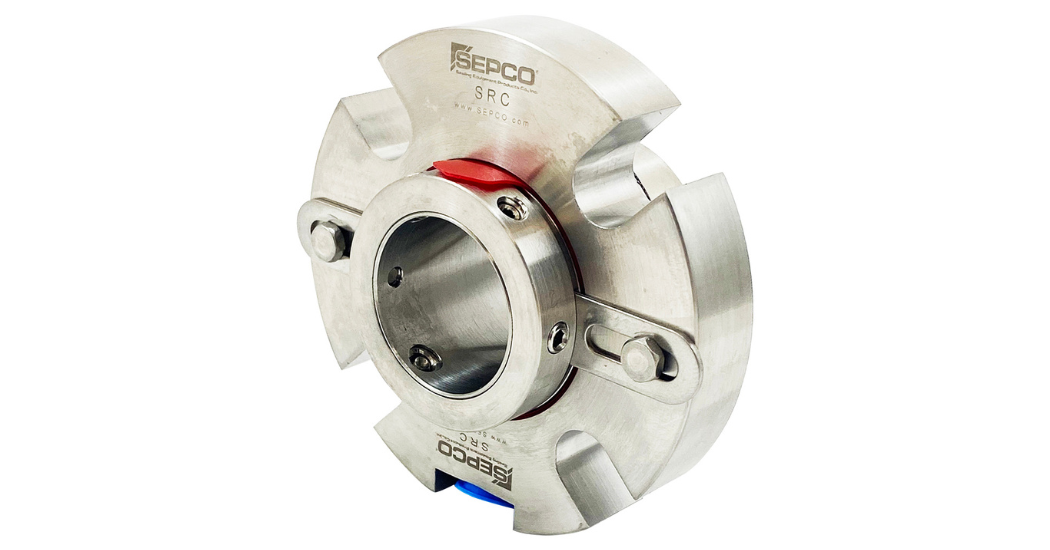
Installing mechanical split seals in rotating equipment demands careful attention to detail, precision, and strict adherence to best practices to guarantee optimal performance and extended lifespan.
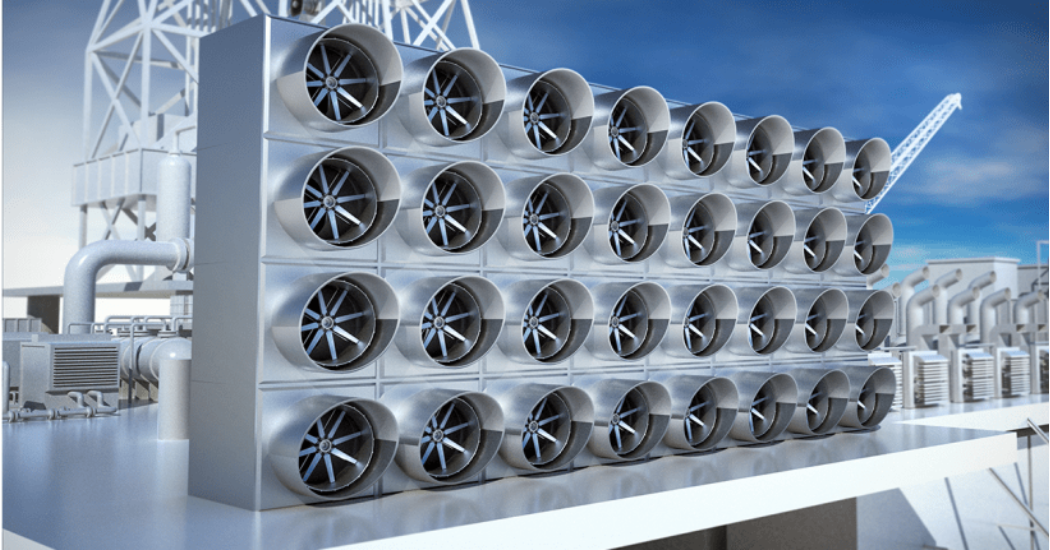
Carbon capture is a key strategy in the global fight against climate change, focusing on capturing carbon dioxide (CO2) emissions from industrial processes and power generation before they enter the…
Sealing systems for handling powders and bulk solids pose unique challenges, largely due to the abrasive nature and physical characteristics of these materials.
In this engaging discussion with Cody Kaufmann, we explore the evolution of high-performance plastics and their critical role in industrial applications.
Introduction Industries such as pulp and paper, chemicals, pharmaceuticals, and food and beverage face substantial sealing challenges when handling dry powders and bulk solids.
Both split and cartridge seals are effective fluid sealing options when used in the right application. However, they are different types of mechanical seals, each made for specific scenarios.
In pulp and paper applications, operational efficiency is crucial, especially when it comes to handling black liquor, a byproduct of the pulp-making process.
SEPCO’s growing presence in the Power Generation industry is fueled by the proven effectiveness and reliability of its specialized products, designed to meet the sector’s unique challenges.
The maximum allowable leakage rate for mechanical seals depends on various factors, such as the application, fluid type, operating conditions, and industry standards.