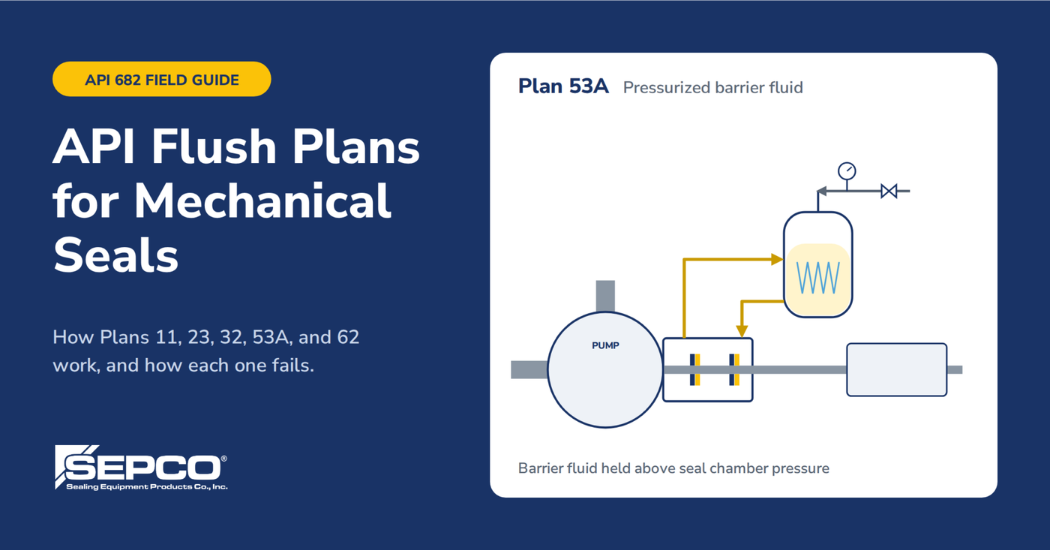
API flush plans are the standard seal piping arrangements defined in API 682. Each numbered plan specifies how fluid is supplied to, cooled, filtered, pressurized, or drained from a mechanical…
The short answer Mechanical seal chamber pressure is determined by pump design and operating conditions, including impeller design, wear ring and back vane clearances, throat bushing configuration, and the flush…
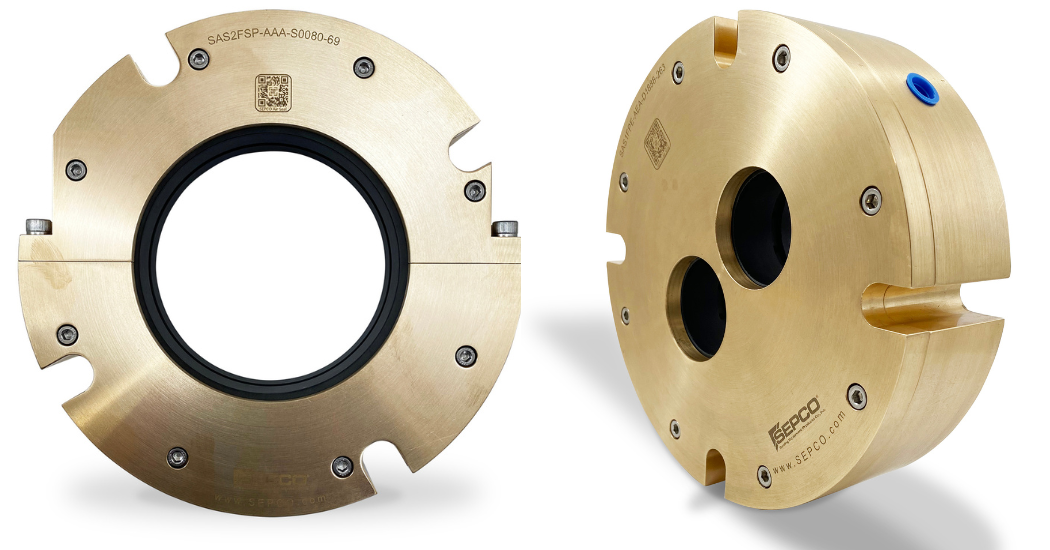
Proper mechanical split seal installation requires verifying equipment runout and endplay tolerances, keeping seal faces and split lines clean, applying even torque in a cross pattern, and testing at low…
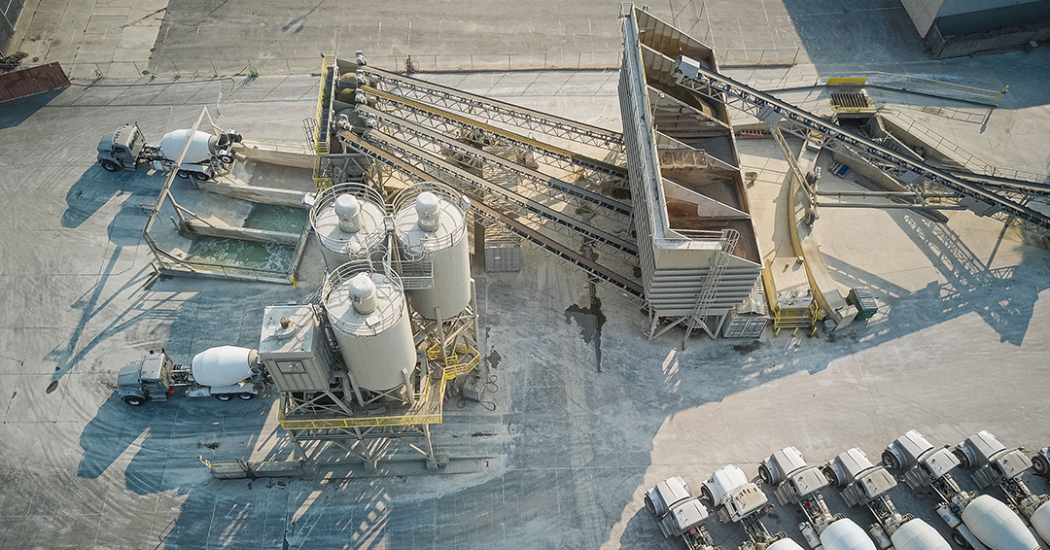
If you’ve spent any time around a cement plant, concrete batch operation, mine, or aggregate facility, you’ve probably seen the same story play out more times than you’d like.
If you’re running pumps or mixers in abrasive slurry service and replacing seals every few weeks—or even months—you’ve probably heard the standard explanation: “Abrasive slurries cause wear.” That’s not wrong.